Prostate cancer screening isn’t just about a single prostate-specific antigen (PSA) number anymore. In 2025, we look at patterns over time, personal risk factors, and, when needed, advanced imaging. It’s a new era—one marked by precision, context, and choice.
The Modern Prostate Cancer Screening Toolkit
A toolkit in plain language that explains what matters most and helps you or a loved one make an informed decision about screening contains the following five elements:1. PSA Test
PSA is a protein made by the prostate that can be measured in the blood. Higher levels can be a warning sign of cancer—but they can also rise from harmless causes, such as an enlarged prostate or infection. That’s why a single “normal” or “abnormal” number doesn’t tell the whole story.For example, PSA of 4.0 has long been considered a “cutoff,” but aggressive cancers can appear in men with PSA values under 3.0. On the other hand, I’ve had patients with PSA levels higher than 6.0 whose biopsies showed no cancer at all.
What matters most is context: whether your PSA is rising over time, your age, your family history, and your overall health.
2. Looking Beyond a Single Number
Doctors today don’t just look at your total PSA. We also use tools that add context and help decide who truly needs more testing:- PSA Over Time: A slow, steady rise may be less concerning than a sudden jump.
- PSA Compared With Prostate Size: A larger prostate naturally makes more PSA. If your PSA is high but your prostate is also large, that may be less worrisome.
- PSA Types: PSA comes in different forms in the blood. A higher proportion of “free” PSA often suggests a non-cancer cause, while lower free PSA may signal a higher risk of prostate cancer.
3. Newer Blood and Urine Tests
If a PSA result is unclear, newer tests can sometimes help decide whether a biopsy is needed. These blood or urine tests don’t diagnose cancer directly, but they can tell us if you’re more likely to have an aggressive form that deserves closer attention.Two common examples are the 4Kscore Test—a blood test that combines PSA with other markers to estimate the chance of finding a high-risk cancer, and the prostate health index test—another blood test that blends PSA with related proteins into a single score to refine risk.

4. Prostate MRI
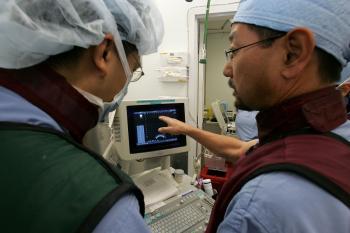
One of the most significant advances in recent years is the use of prostate MRI. Unlike a general pelvic scan, this specialized MRI gives a detailed picture of the prostate and can highlight suspicious spots.- Show areas that may need a biopsy
- Help avoid unnecessary biopsies when no suspicious areas are found
- Guide doctors to the exact spot that looks abnormal, instead of taking random samples
5. Modern Biopsy
If a biopsy is needed, how it’s done makes a big difference. Traditional biopsies often take random samples from the prostate, which can miss aggressive cancers or pick up tiny, low-risk ones that may never cause harm.Today, we have more precise options such as the MRI-targeted biopsy, where doctors use MRI images to guide the needle directly to suspicious areas, and the transperineal biopsy, where, instead of going through the rectum, the needle goes through the skin between the scrotum and anus. This approach lowers the risk of infection and allows for better sampling of hard-to-reach areas.
These modern techniques mean fewer missed cancers, fewer unnecessary procedures, and more confidence in the results.
It should be noted, however, that not every elevated PSA or suspicious scan means you need a biopsy right away. Sometimes, careful monitoring is the safest and wisest choice.
For example, I once cared for a man in his late 70s with a slightly elevated PSA. He was otherwise healthy, active, and enjoying life. Instead of rushing into a biopsy, we followed him closely with repeat PSA tests and an MRI. Years later, he’s still doing well—without having gone through an unnecessary procedure.
Screening That Fits You
Prostate cancer screening isn’t one-size-fits-all. The right approach depends on the person:- Age Isn’t Everything: I’ve seen men in their late 70s who are healthier than some men in their 50s. If you’re active and in good shape, screening may still be worthwhile even as you get older.
- Family History Matters: If your father or brother was diagnosed—especially before age 60—you may need to start screening earlier and watch more closely.
- Lifestyle Counts: Obesity, diabetes, and chronic inflammation can all affect PSA levels and increase cancer risk. These factors help guide how we interpret results.
Prostate cancer screening in 2025 is smarter and more personal than ever. It’s no longer about one PSA number—it’s about patterns, risk factors, and, when needed, advanced tools such as MRI. If you’re older than 50 or 45 with risk factors, start the conversation with your doctor. If you’re 70 and in good health, don’t stop—screening can still save lives when done wisely.
The bottom line: Early detection works best when it’s tailored to you, not just a number on a lab report.