Viruses play a significant role in the development of certain types of cancers. They can alter normal cell function by integrating their genetic material into human DNA, leading to mutations and disruptions in cell growth and division. This can cause uncontrolled cell proliferation, a hallmark of cancer.
Evolving Role of HPV
HPV is a contagious pathogen primarily transmitted through sexual contact, leading to HPV-related cancers in both genders. The vast majority of cervical cancers have a connection to HPV, and a growing body of evidence suggests a similar association with some head and neck cancers, particularly oropharyngeal cancer. Additionally, a range of anogenital cancers, such as vaginal, vulvar, penile, and anal cancers, also fall under the category of malignancies associated with HPV.Recent studies have revealed a potential link between HPV infections and more significant forms of cancer. These insights challenge our current understanding of these diseases and open new avenues for prevention and treatment strategies.
HPV’s link to cervical, head, and neck cancers is well-established and supported by decades of research and clinical evidence. The virus is a significant cause of these cancers, with a clear and direct connection. However, emerging research is exploring the potential role of HPV in other cancers, such as prostate and thyroid cancers.
Prostate Cancer: The Leading Cancer in Men
The prostate is a small gland located just below the bladder in men, near the rectum. It’s shaped like a walnut and surrounds the urethra, the tube that carries urine from the bladder out through the penis. Its primary function is to produce seminal fluid, which is a component of semen. This location and function make it a vital part of the male reproductive system.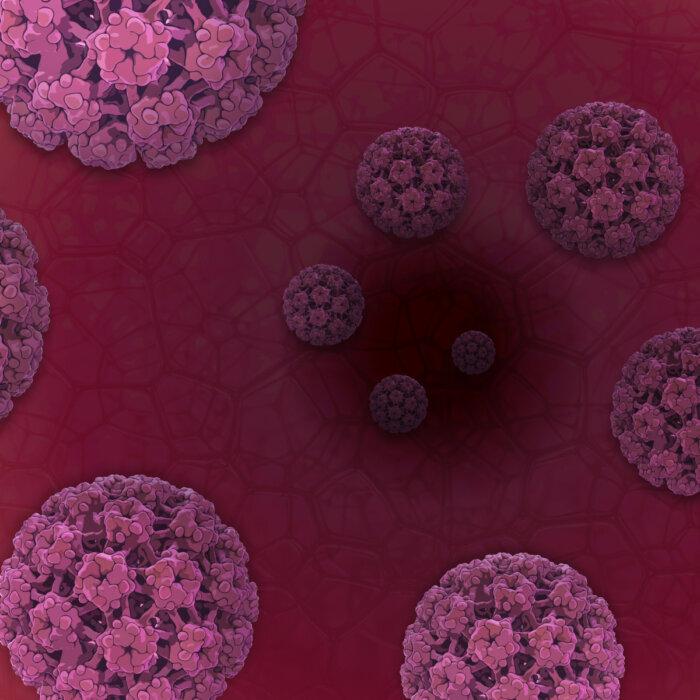
In its early stages, prostate cancer may not cause noticeable symptoms. More advanced cases can lead to issues like trouble urinating, decreased force in the urine stream, blood in urine or semen, bone pain, unintentional weight loss, and erectile dysfunction. Approximately half of the cancers were advanced.
HPV and Prostate Cancer
A December 2023 study published in the Nature journal Prostate Cancer and Prostatic Diseases has shed light on HPV as a new risk factor for prostate cancer.The study utilized data from Taiwan’s Longitudinal Health Insurance Database 2010, analyzing cases of 5,137 patients with prostate cancer and 15,411 matched controls.
The findings were significant, with data indicating a markedly higher incidence (2.3 times higher) of previous HPV infections among individuals with prostate cancer compared with their control counterparts. This means that the risk of developing prostate cancer is more than double after a previous HPV infection compared with those who were never infected. Individuals diagnosed with chronic prostatitis were also at a higher risk for subsequently developing prostate cancer.
Adjustments were made for other common risk factors, including age, monthly income, geographic location, urbanization level of the patient’s residence, as well as hyperlipidemia, diabetes, hypertension and chronic prostatitis, tobacco use, and alcohol abuse.
HPV and Thyroid Cancer
More surprisingly, thyroid cancer, a less common but still potentially lethal cancer, was also related to HPV.This research involved a comprehensive case-control study using Taiwan’s Longitudinal Health Insurance Database 2010, including 3,062 patients with thyroid cancer and 9,186 propensity-scored matched controls. The propensity score balances an observational study by using some of the study characteristics to mimic a randomized controlled trial.
The study’s results were startling: The research suggests a significant link between HPV and the development of thyroid cancer. People with a prior HPV infection have almost twice the chance of developing thyroid cancer compared with those without a prior infection, with similar findings in males and females.
Cancer-Causing Mechanisms
While these studies provide compelling evidence of the association between HPV and both prostate and thyroid cancers, it’s essential to understand the underlying mechanisms. There are several mechanisms through which HPV contributes to the development of these cancers.Harmful genetic and environmental elements can increase the risk of developing cancer. However, our immune system can monitor and kill cancer cells as soon as the malignant cells appear. Ultimately, the strength of our immune system determines if we contract cancer or not and how fast it will spread if we do, which depends on our body’s ability to fight cancer cells effectively.
Genetic mutations in specific cancer-related genes commonly lead to abnormal cell growth and tumor formation. Environmental risk factors include ionizing radiation. Nutritional factors, including iodine deficiency or excess, can increase the risk of developing thyroid cancer.
Can the HPV Vaccine Prevent These Cancers?
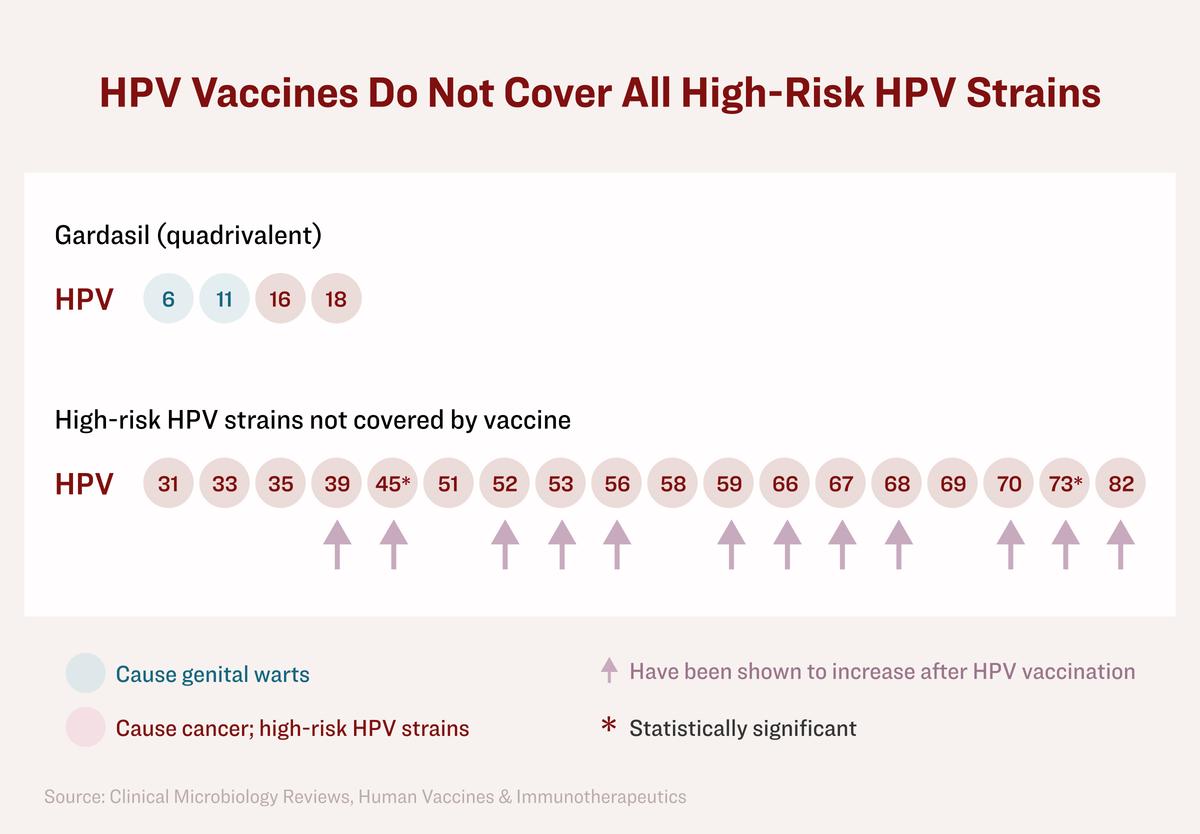
The potential link between HPV and these cancers has profound implications. Exploring possible preventive measures could be a significant step forward in cancer prevention.Furthermore, the vaccine bypasses our mucosal immunity, resulting in an unbalanced stimulation of our immune system which may not favor our body’s holistic fight against cancer.
The Role of Natural Immunity in Eradicating Cancer
Our body’s natural immunity serves to combat viruses and, therefore, plays a crucial role in fighting against cancer.Controlled Sexual Behavior Reduces Cancer Risk
Controlled sexual behaviors are known to be protective against cervical cancer, including older age at first sexual activity and limited sexual partners.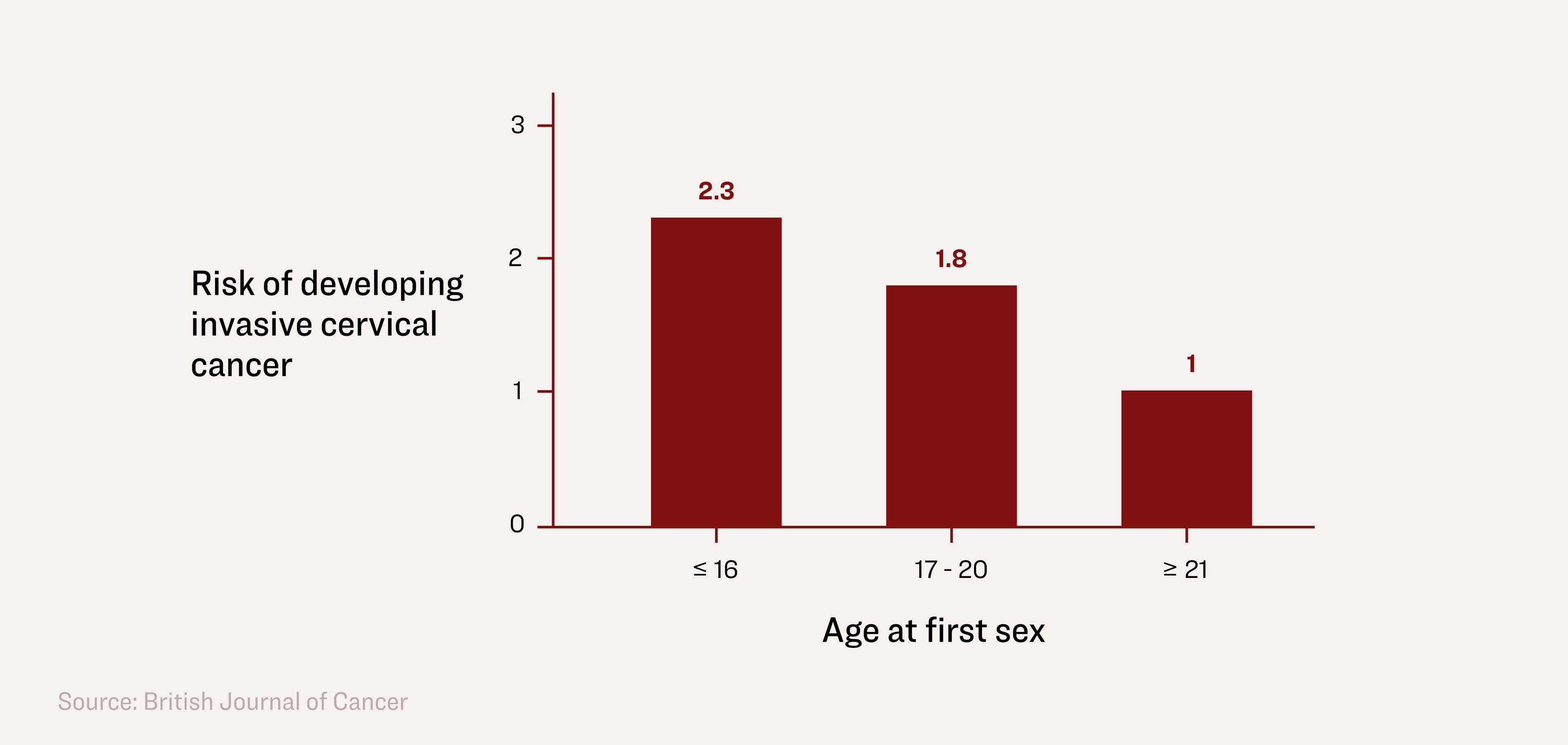
In the case of prostate cancer, research also suggests a possible link between sexual activity and increased cancer risk.
The researchers found that having more female sexual partners slightly increased the risk of prostate cancer. Delaying the age of first intercourse reduced this risk by 4 percent for every five-year delay. Moderate frequency of ejaculation, defined as two to four times per week, was significantly associated with a lower risk of prostate cancer.
For thyroid cancer, there is no biomedical study that directly establishes a link between sexual behavior and the risk of developing this type of cancer. However, limiting the number of sexual partners and delaying the age of first sex would reduce the risk of HPV infection. As HPV is carcinogenic, the less HPV we have in our body, the less likely we will develop a related cancer.
Future Perspective on HPV and Cancer
The revelations from these newly published studies suggest that the impact of HPV infection extends far beyond the commonly known associations with cervical and head or neck cancers.By shedding light on its potential role in prostate and thyroid cancers, these findings challenge the medical community to broaden its perspective on HPV. It’s possible that other cancers may also be influenced by HPV and sexual behavior. Future research may reveal more profound underlying mechanisms.
As research continues to unveil the multifaceted nature of HPV, it becomes increasingly clear that our understanding and management of this virus are crucial to the broader fight against cancer. This could lead to the development of comprehensive educational health programs that ultimately contribute to reducing the incidence and mortality rates associated with these and other cancers.
Last but not least, our choices matter; traditional values can help us live healthier.