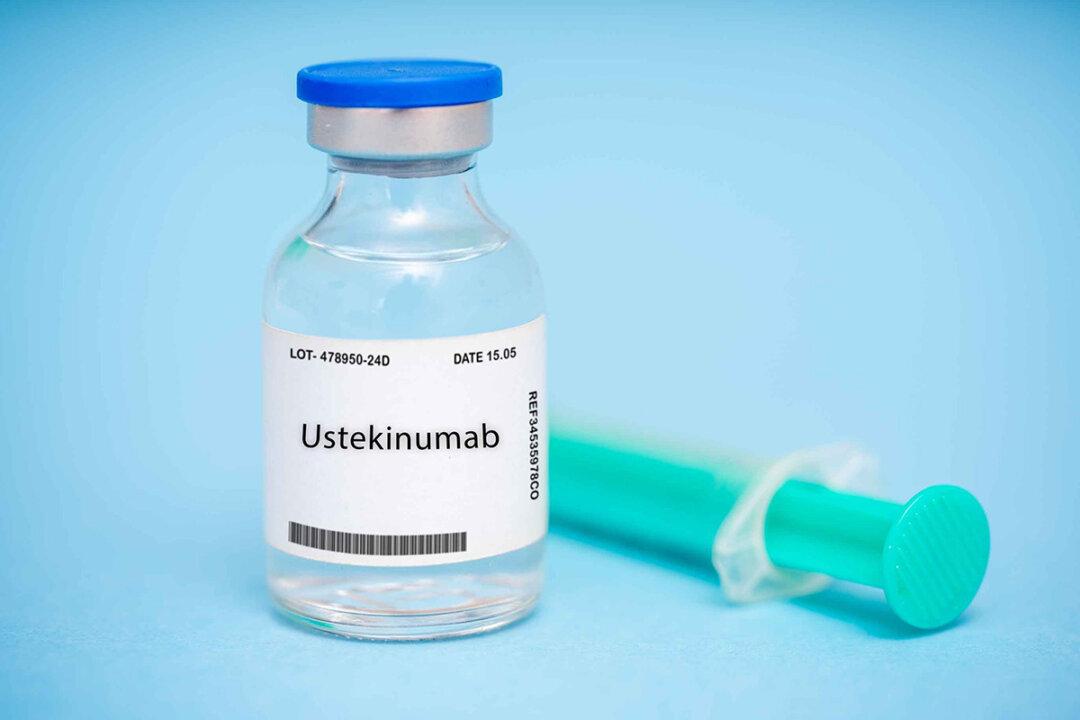
Wegovy, Mounjaro, Ozempic, and other popular weight-loss drugs known as glucagon-like peptide-1 (GLP-1) receptor agonists have been found to reduce the risk of least 10 obesity-related cancers in patients with Type 2 diabetes, according to a new study published July 5 in JAMA Network Open.
Risk Reduced Compared to Insulin, Not Metformin
The retrospective study examined the effect GLP-1 receptor agonists had on 13 cancers linked to excess body fat and exacerbated by Type 2 diabetes.Researchers from Case Western Reserve University School of Medicine in Cleveland, Ohio, looked at the electronic health records of 113 million patients from 64 health care organizations across the United States, drawing from a diverse demographic.
The research team identified over 1.6 million patients with Type 2 diabetes who had no history of the 13 obesity-associated cancers and who had been prescribed GLP-1 receptor agonists, insulin, or metformin, a diabetes drug, between 2005 and 2018.
- Gallbladder cancer by 65 percent
- Meningioma (a type of brain cancer) by 63 percent
- Pancreatic cancer by 59 percent
- Hepatocellular carcinoma by 53 percent
- Ovarian cancer by 48 percent
- Colorectal cancer by 46 percent
- Multiple myeloma by 41 percent
- Esophageal cancer by 40 percent
- Endometrial cancer by 26 percent
- Kidney cancer by 24 percent
Additionally, those prescribed GLP-1 receptor agonists had a 27 percent lower risk of stomach cancer compared to patients prescribed insulin. However, the research team said this decreased risk was not statistically significant.
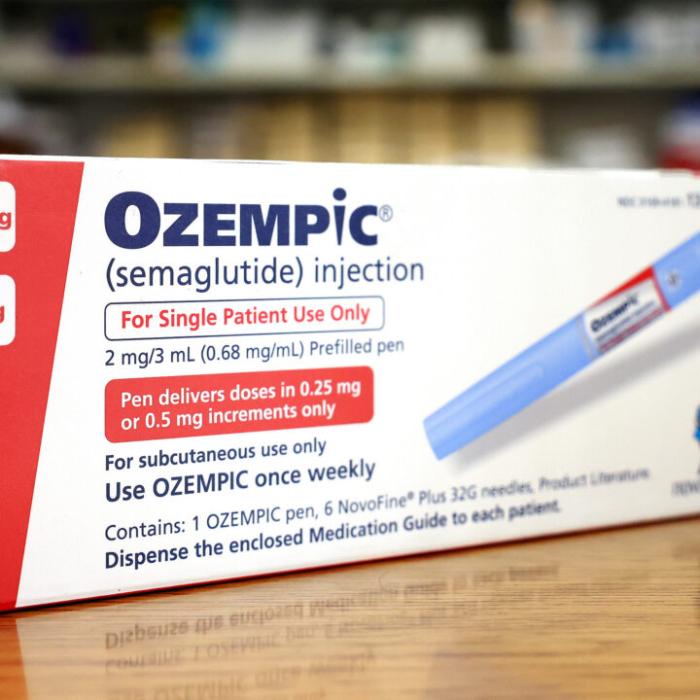

Use in Cancer Treatment Uncertain
GLP-1 receptor agonists are among the most commonly prescribed medications, with about one in eight U.S. adults reporting use of them, mainly for weight loss, diabetes, or to prevent heart attacks or strokes in those with heart disease. The new study’s researchers mentioned that the drugs may be beneficial as a complementary treatment in cancer therapy.“Given that [Type 2 diabetes] and overweight or obesity have negative impacts on patients during cancer therapy, [GLP-1 receptor agonists] should be evaluated for control of these comorbid conditions during cancer therapy as well as for secondary prevention to delay cancer recurrence,” the Case Western Reserve University School of Medicine researchers wrote.