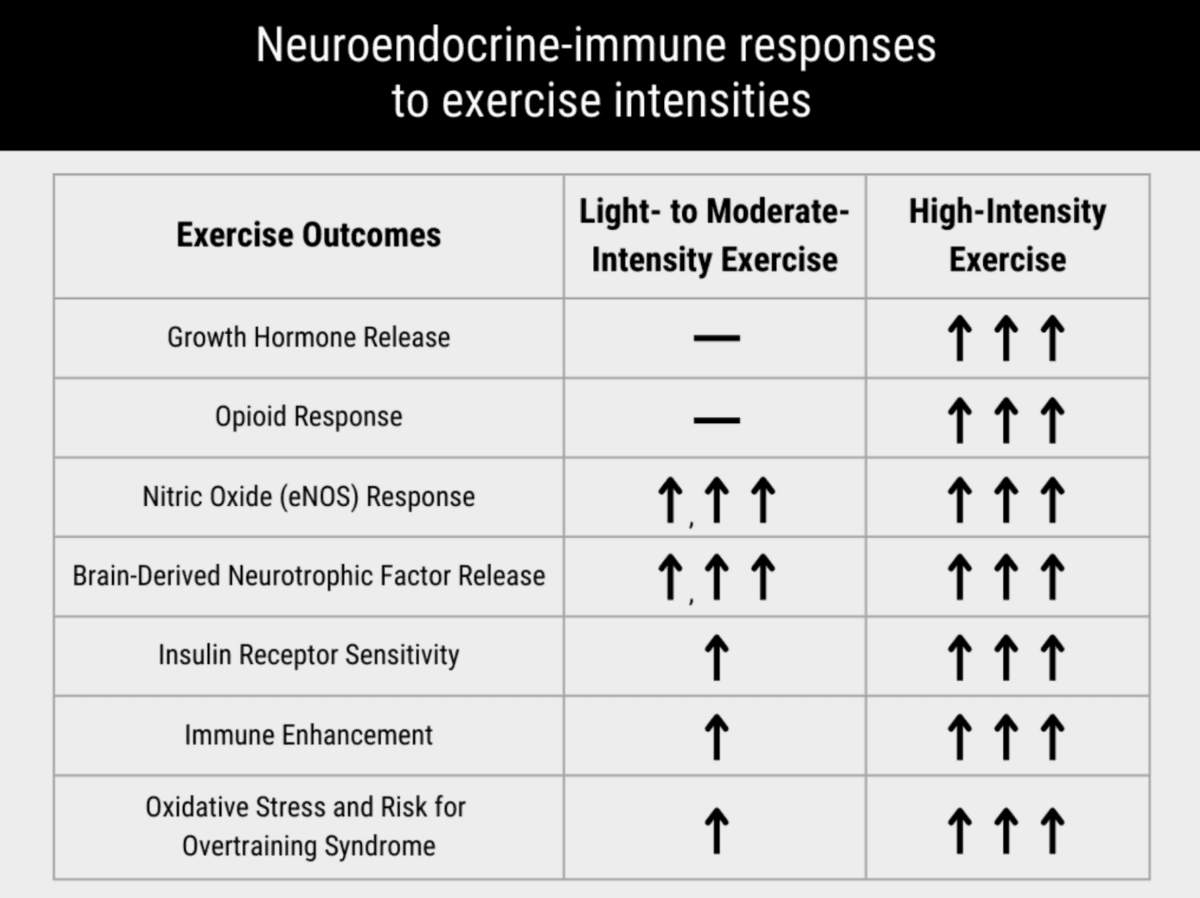
- Improves circulation and blood flow, which helps with recovery and immune modulation. Exercise boosts endothelial nitric oxide synthase (eNOS), an enzyme that promotes blood flow and circulation. The inflammation associated with autoimmune disease can impair blood flow and circulation, compromising the delivery of oxygen and nutrients to tissues and removing waste products from the body. Improved blood flow from increased eNOS can help dampen inflammation and autoimmune symptoms.
- Decreases overactivity of inflammatory cells. Toll-like receptors, natural killer cells, and neutrophils are involved in the inflammatory process to help fight antigens and protect the body. However, they often become overactive with autoimmune disease (they can also become underactive). Regular exercise has been shown to regulate their activity for a more balanced immune function. However, over-exercise can raise inflammation.
- Balances TH-1 and TH-2 ratios. The TH-1 and TH-2 arms of the immune system tend to become imbalanced with autoimmunity (you can learn more about this here). Exercise can help balance them.
- Raises opioid levels. Opioids give us that exercise “high” and help relieve pain, dampen inflammation, and regulate the immune system.
- Relieves stress. Stress is a primary factor in autoimmunity, and exercise is a potent stress reliever.
- Stimulates the release of growth hormone. Increased growth hormone from exercise has anti-inflammatory effects and can help repair tissue damaged by the autoimmune process.
- Delivers oxygen and nutrients to tissues and removes waste products, which can help to reduce chronic inflammation and improve overall health.
- Releases brain-derived neurotrophic factor (BDNF). BDNF supports the survival and growth of neurons in the brain. Exercise increases the release of BDNF, which can positively affect brain function and overall health.
- Improves insulin receptor sensitivity. Insulin resistance develops in response to chronically high blood sugar and sets the stage for multiple chronic health disorders, including autoimmunity. Restoring insulin sensitivity is a primary goal in autoimmune management, which exercise can help you achieve. Regular physical activity boosts the number and activity of insulin receptors in your cells and improves your body’s blood-sugar handling, which helps reduce inflammation.
Dialing it All in With Autoimmunity and Chronic Health Conditions
Nevertheless, autoimmune patients must exercise caution when it comes to exercise. The key is to find your exercise sweet spot—exercise that challenges you but does not tip you over the edge into an inflammatory response or relapse.- Frequency: How often do you exercise? Is it daily, every other day, or twice a week? Ideally, you can exercise daily or every other day, but where you begin depends on your condition.
- Duration: How long does each exercise session last so that you can recover easily and not trigger a flare? Initially, you may be able to exercise for only a few minutes. As you build resilience, it can extend to a half hour, 45 minutes, or an hour or more.
- Intensity: Intensity covers how hard you work out, such as how fast you walk or run, how heavy you lift, how far you go, and so on. This will vary depending on each person’s fitness level and condition.
- Recovery: How long does it take to recover so you can exercise again? For weightlifting and other strenuous activities, it’s important to let your muscles recover to grow stronger. However, ideally, you can do other forms of exercise, such as walking, cycling, or swimming, daily.
For people who are only used to little to no exercise, try to find a window of activity that allows you to exercise daily. Regular exercise with easy recovery will help you on your healing journey.


How you recover will be one of your most significant clues. Tanking your system every time you exercise will send you backward. If it takes you three days to recover from a three-mile hike, then walking 10 or 20 minutes is enough for you. If you can’t handle a 60-minute water aerobics class, leave after the first 15 minutes. Gym classes are an hour long, but your body may not be able to handle 60 minutes, so tell the teacher you will leave classes early if you’re uncomfortable walking out. It’s more important that you show up for the next class feeling refreshed than it is to finish to your detriment.
What About Pain?
Many people use pain as a reason to not exercise. Of course, you don’t want to push through pain to the point of damaging joints or injuring yourself, but it’s surprising how many people find that exercise relieves pain.Finding Your Exercise Sweet Spot
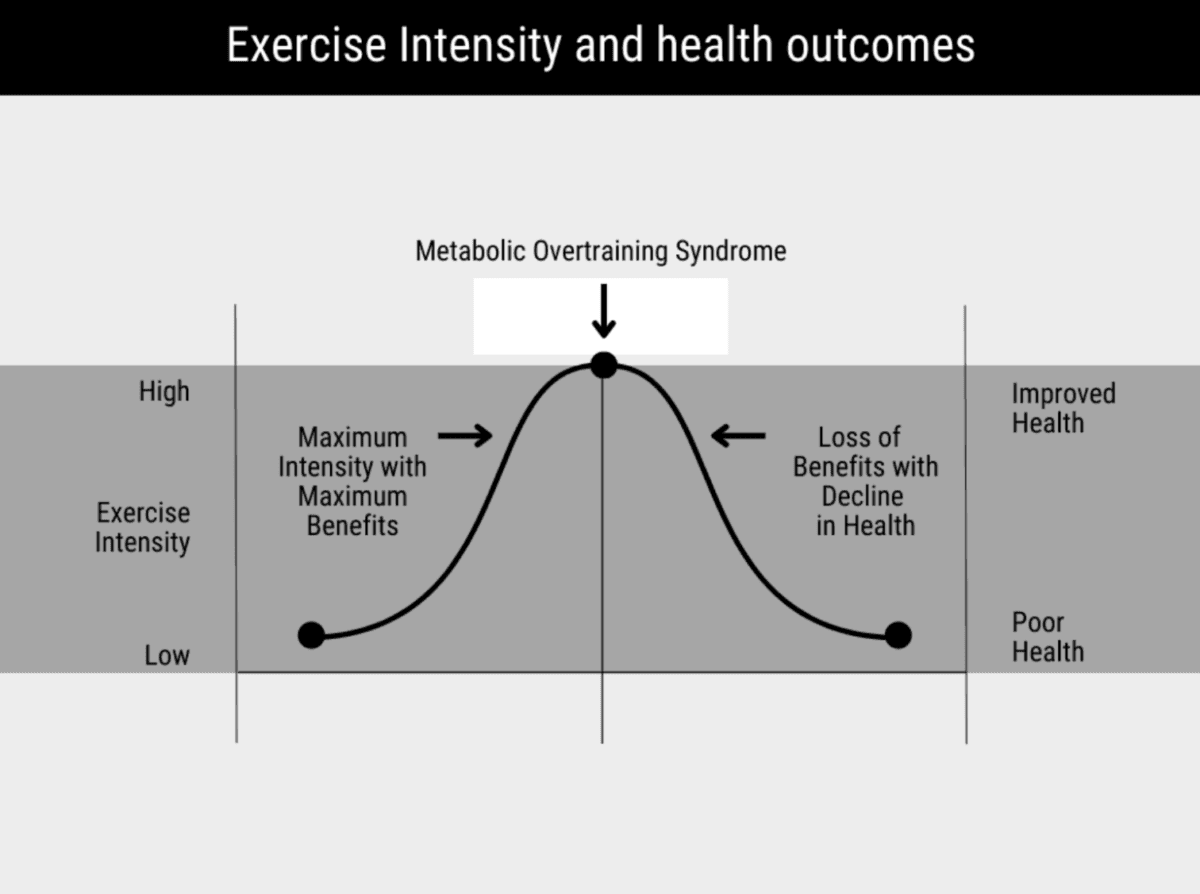
As you build resilience, you can increase frequency, intensity, and duration. Challenging yourself within your limits is part of the formula for reducing inflammation. How you find this sweet spot depends on your nature and your condition. Some people find it by accidentally pushing themselves too hard, experiencing a flare-up or difficulty recovering, and realizing that they need to scale back. Others may wish to take a cautionary approach, work under their limit, and gradually increase as their energy improves. I tell my patients that it is safest to start light and work their way up without triggering a flare.There is no singular way to approach this, as everyone is different. Exercise increases oxidative stress, activating the body’s antioxidant system and consistently improving capacity. But overdoing it increases inflammation. Someone in their 50s with debilitating rheumatoid arthritis and multiple sclerosis may only be able to manage a walk around the block once or twice per day. Anything more, and they will crash and fall apart. A 26-year-old recently diagnosed with Hashimoto’s may be able to handle high-intensity workouts a few times per week and find that it calms their autoimmunity.
Be extra mindful of your limits when you feel good. You may be capable of pushing yourself harder, but you also may be more prone to accidentally overdoing it. Also, be more conservative when you haven’t slept well, are under more stress, or feel a virus coming on. When your body is under additional stress, don’t push yourself as hard, if at all.
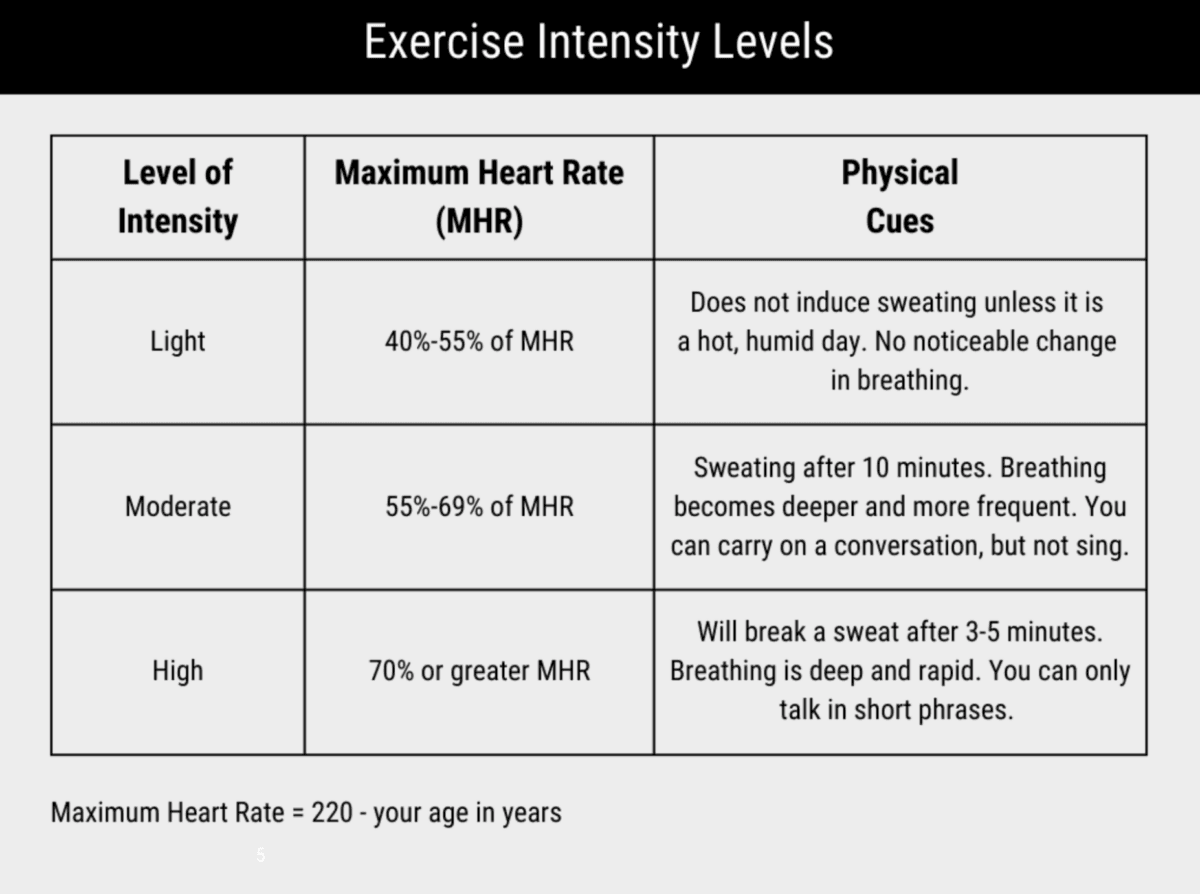
It’s tempting to want a formula to figure this all out. Your formula will require trial and error, but the following chart can guide intensity if you like to wear an activity monitor or track your progress.
Use the Same Principles With Non-Exercise ‘Healthy’ Stressors
Keep in mind that these principles apply to other healthy stressors. For example, cold plunging has become a popular way to dampen inflammation and improve resilience. But for the patient with autoimmunity, following advice from Instagram influencers and plunging into water that is too cold or for too long may cause a crash. If you decide to add cold plunging to your regime, use the same principles with exercise by starting with warmer water for shorter durations and seeing how well you recover.After cold water therapy, you should be able to warm up quickly, sleep well that night, and experience no drops in energy or regression in symptoms. Starting with cool showers or plunging your face in ice water a few times per week may be a safer start.
Autoimmunity–Make Stress Reduction a Way of Life
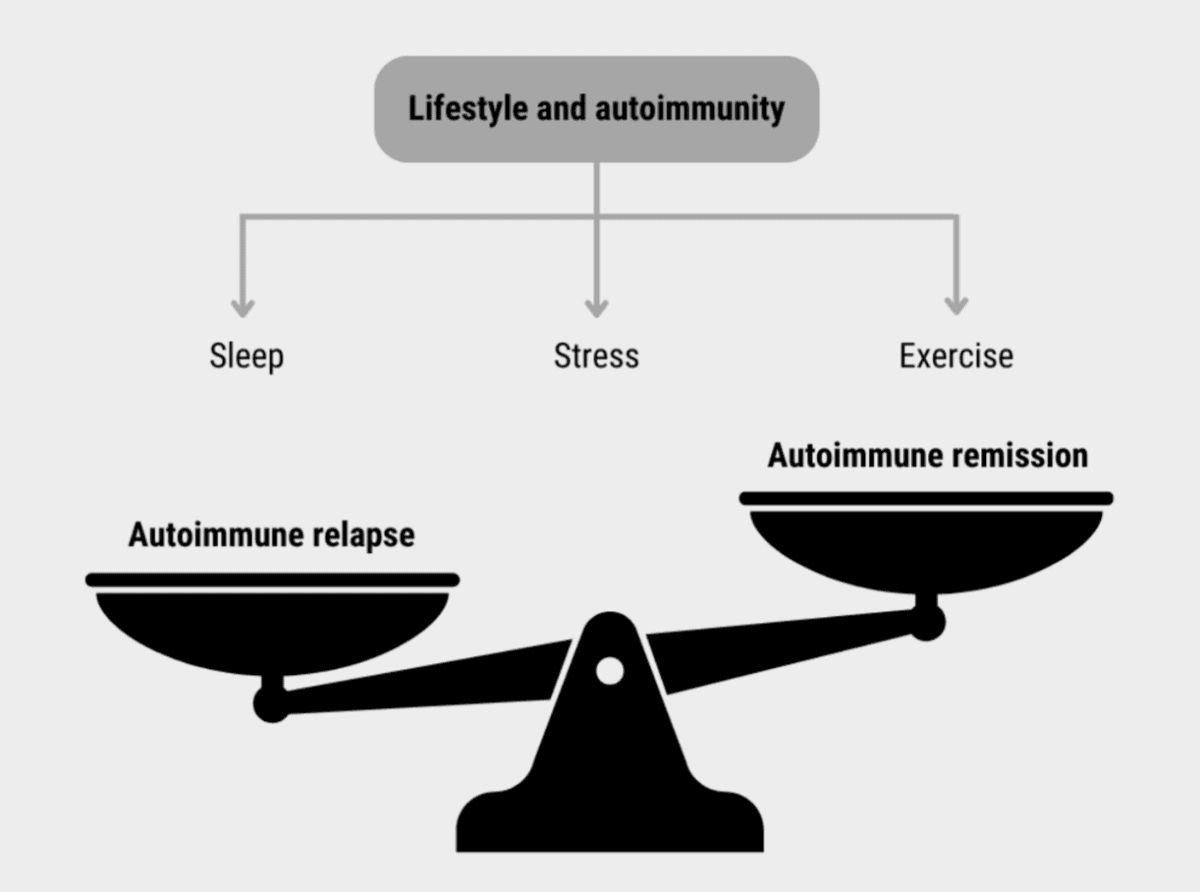
This brings us to a general clinical pearl regarding autoimmunity, which is regulating your stress. Stress raises inflammation, and you must use multiple stress reduction strategies to keep your immune system from spinning out. This goes beyond being careful to not overexercise or push yourself too hard with things like cold plunging. Ideas include meditation, yoga, tai chi, watching comedy, hitting a punching bag, and hikes in nature—find what feels relaxing, allows your mind to disengage from life’s responsibilities, and helps your central nervous system unwind.Also, give yourself one day per week when you have permission to do nothing. Knowing you have that day scheduled will help alleviate stress during the week. I know this is a big ask for busy moms and caretakers, but enlist your family or friends to take on some of the daily duties so you can get at least a half day off. If you want to run an errand or something that day, that’s fine. The goal is to have nothing planned and to have no obligations. Integrating this into your life can be transformative, especially if you constantly feel overwhelmed with things to do.
An Important Exception
While the advice in this article applies to most people with autoimmunity, it’s important to mention that some people’s conditions are so advanced or that their health is so fragile that any exercise at all causes a relapse and worsening of their condition. This is more often seen in those with chronic fatigue syndrome, also called myalgic encephalomyelitis, or ME/CFS.With anything in life, take strategies and advice into consideration on your health journey, but always prioritize your body’s needs and responses.