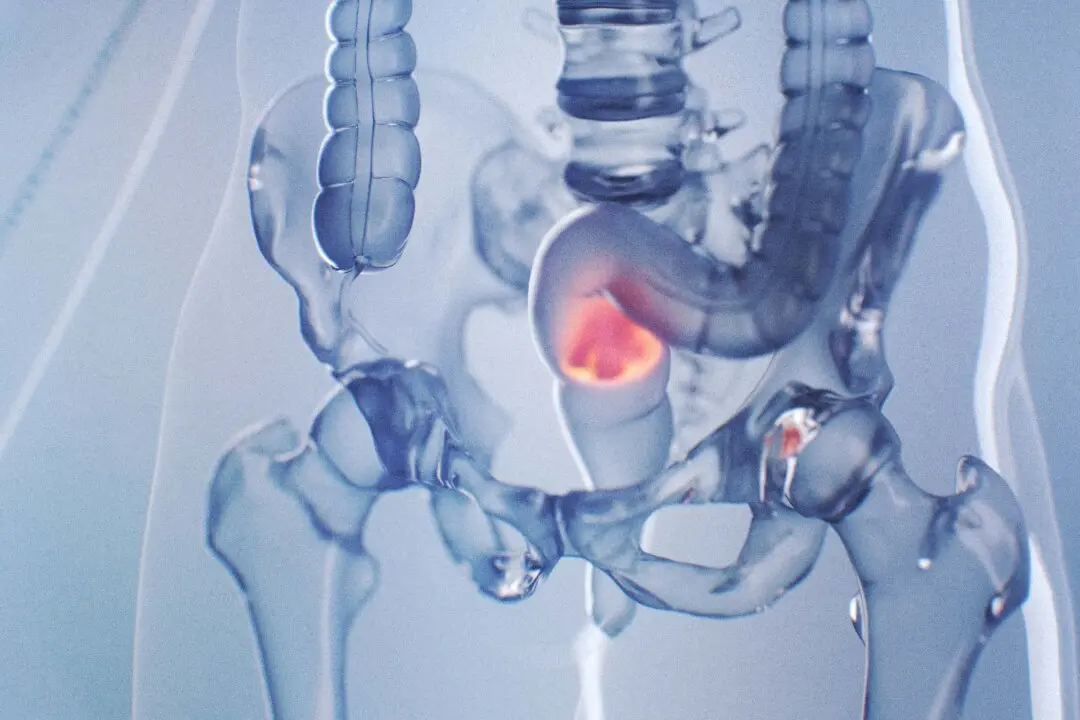
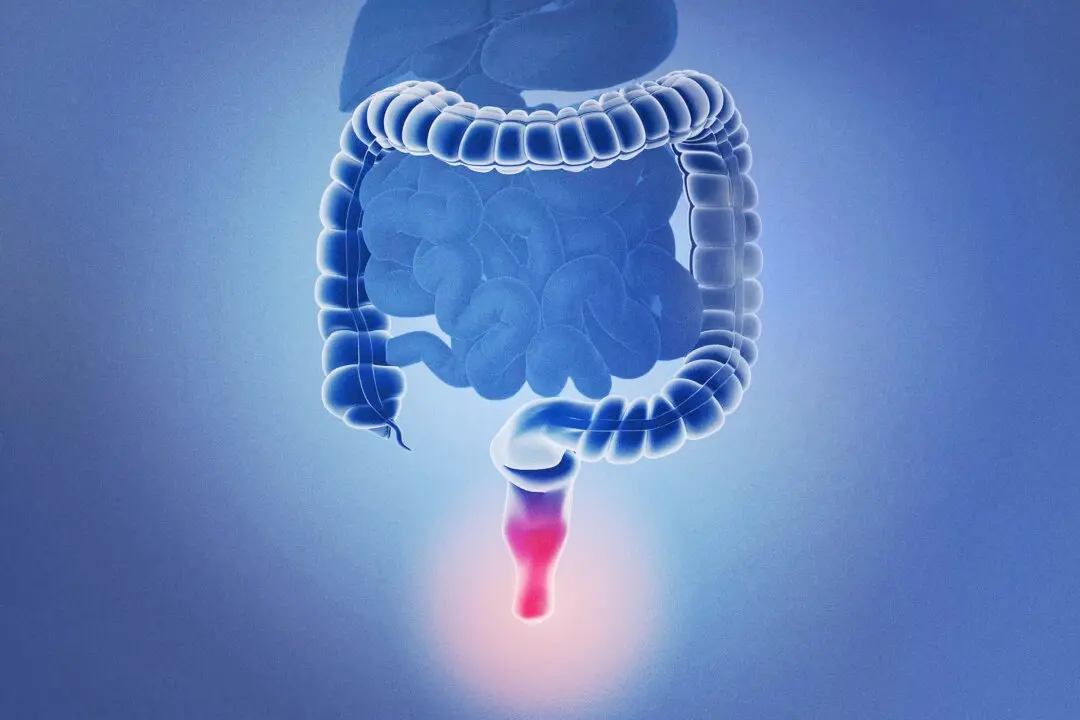
Up to 40 percent of Crohn’s patients don’t respond to the most advanced treatments available—and as many as half who do will eventually stop responding. Researchers have found that even something as simple as an overnight fast could help.
“People in the fasting group had a greater improvement in their GI [gastrointestinal] symptoms related to Crohn’s disease, so they deepened their clinical remission status,” Maitreyi Raman, a gastroenterologist, associate professor of medicine at the University of Calgary, and the study’s senior author, told The Epoch Times.
The trial recruited 35 people with Crohn’s disease in remission and randomly assigned them to either a fasting or a control group.
The fasting group was encouraged to finish their last meal earlier in the evening, creating a prolonged overnight fast. The control group continued their usual eating pattern. Researchers measured participants’ body mass index and collected stool and blood samples.
Those in the fasting group lost more weight, with an average 1-point reduction in body mass index—considered clinically significant weight loss—as well as significant reductions in visceral fat, the fat deep in the abdomen that surrounds internal organs.
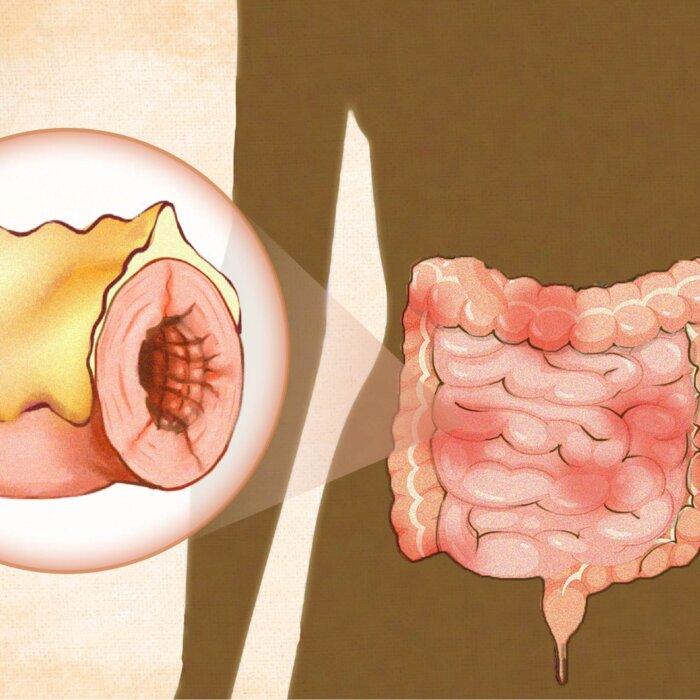

It’s Not About Eating Less
Interestingly, the fasting and control groups ate similar amounts of calories and macronutrients throughout the trial.Instead, researchers observed reductions in key inflammatory molecules released by fat tissue—including leptin, plasminogen activator inhibitor-1, and adipsin. These compounds, known as adipokines, can influence immune responses and inflammation.
“So we conclude that the benefits of the weight loss are not entirely related to energy restriction or energy reduction, but more related to circadian rhythms and the timing of when people were eating,” Raman said.
Fasting may improve metabolic health by making the body more responsive to insulin, improving metabolic flexibility—the ability to switch efficiently between burning glucose and fat—and modulating immune activity, Matthew Breit, a postdoctoral fellow and registered dietitian at the University of Colorado Anschutz Medical Campus, who wasn’t involved in the study, told The Epoch Times.
The Gut’s Internal Clock
The fasting group also showed favorable shifts in the gut microbiome, including an enrichment of short-chain fatty acid–producing bacteria. These bacteria are often depleted in inflammatory bowel disease (IBD) and metabolic disorders and may help support gut barrier function and immune regulation.Bacteria associated with IBD flares and gut inflammation—Bacteroides ovatus and Escherichia/Shigella species—were less abundant among participants with greater weight loss.
Many metabolic and immune processes in the gut operate on a circadian rhythm, and prolonged eating windows may disrupt that alignment, Breit said.
Why Visceral Fat Is Critical in Crohn’s
The study adds to a growing body of evidence suggesting that excess body fat, especially visceral fat, can complicate Crohn’s disease and make it harder to manage.Higher levels of visceral fat are linked to more frequent hospitalizations, readmissions, and surgeries, as well as poorer responses to biologic therapies.
Weight management—including fasting—combined with usual medications could “lead to a lasting durable remission response,” Raman said.
Intermittent fasting may also benefit people with normal weight, she added. “People with normal weight can still have visceral fat.”