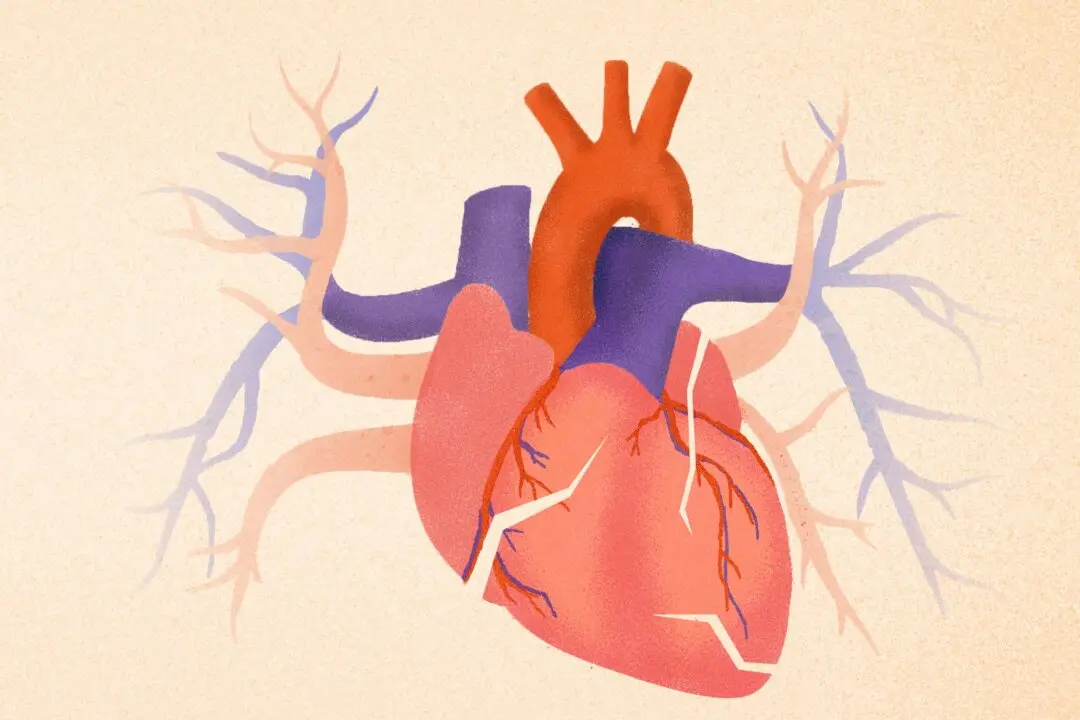
Heart disease, stroke, cognitive decline, and depression are common conditions among middle-aged and older people. Although these diseases have different symptoms, they often share an abnormal laboratory marker: elevated homocysteine levels.
Despite this marker’s relative obscurity and infrequent testing by doctors, its importance should not be underestimated.
Homocysteine: A Key Health Indicator
Homocysteine is a sulfur-containing amino acid that is not directly obtained from the diet but is a byproduct of the metabolism of animal proteins in the body. It plays a crucial role in the body’s methylation cycle—a biochemical process involved in regulating neurotransmitters, DNA repair, and gene expression.In healthy individuals, homocysteine levels typically range from 5 micromoles per liter (micromol/L) to 15 micromol/L. Levels exceeding 15 micromol/L indicate hyperhomocysteinemia, which can adversely affect the body in two primary ways:
- Damage to blood vessel linings: Hyperhomocysteinemia can damage endothelial cells and impair vascular relaxation, reducing the elasticity of blood vessels. This damage can lead to the accumulation of blood cells, coagulation factors, and cholesterol at the site, forming clots. If these clots occur in cardiovascular vessels, they can cause cardiovascular diseases; if they occur in cerebral vessels, they can lead to strokes. This is why patients with cardiovascular diseases and strokes often exhibit elevated homocysteine levels.
- Cognitive impairment and emotional disturbances: Homocysteine affects the brain’s metabolism and function of critical neurotransmitters through the methylation cycle. Therefore, elevated levels of homocysteine can lead to cognitive impairment and emotional disturbances.
Case Studies of Various Diseases
Examining several clinical cases can help us to better understand the specific symptoms and treatment methods for hyperhomocysteinemia.Case No. 1: Hypertension
The patient is a 55-year-old male who presented with chest pain and hypertension. He also has a family history of heart disease. Laboratory tests revealed a homocysteine concentration of 18 micromol/L, indicating hyperhomocysteinemia. Additionally, he underwent several cardiovascular evaluations, including a cardiac ultrasound and stress tests, which did not reveal any structural issues. His condition is primarily attributed to poor lifestyle habits, mental stress, and lack of exercise. In this case, in addition to antihypertensive treatment, he requires medication to lower his homocysteine levels.Case No. 2: Transient Ischemic Attack
The patient is a 68-year-old female who sought medical attention because of a transient ischemic attack (TIA). Her homocysteine concentration was approximately 20 micromol/L. Despite taking over-the-counter supplements, she still lacked vitamin B12. In this case, she needs a brain MRI scan, high-dose vitamin B12 injections, folic acid, vitamin B2 supplements, and dietary adjustments.Case No. 3: Cognitive Decline
The patient is a 72-year-old male who presented with memory problems. He frequently forgets things, such as his keys or turning off the stove, and his memory issues have led to financial difficulties. Blood tests revealed that his homocysteine level was 25 micromol/L, significantly higher than normal. Therefore, besides traditional cognitive assessments and medication, he needs high-dose B vitamin supplements and a Mediterranean diet rich in fruits, vegetables, whole grains, and healthy fats.Case No. 4: Osteoporosis
The patient is a 60-year-old female with severe osteoporosis who has suffered multiple fractures from falls. Her homocysteine level was 22 micromol/L. Research has shown that homocysteine levels are closely related to bone health and are a risk factor for osteoporosis. Therefore, in addition to supplementing with vitamin D3, calcium, and phosphorus, she needs further treatment for hyperhomocysteinemia.Case No. 5: Pregnancy
The patient is a 31-year-old woman with a history of miscarriages. During prenatal checkups, she was found to have elevated homocysteine levels at 19 micromol/L. Elevated homocysteine can lead to complications such as hypertension, eclampsia, and postpartum depression. Therefore, adjusting her homocysteine levels through nutritional supplements is crucial for her health and her baby’s well-being.Causes of Abnormal Homocysteine Levels and Nutritional Supplementation
There are typically two leading causes of hyperhomocysteinemia: genetic factors and nutritional deficiencies. Genetic factors may include disorders affecting methylation that lead to elevated homocysteine levels. Nutritional deficiencies can result from absorption issues or a lack of essential vitamins in the diet, particularly folic acid, vitamin B12, and vitamin B2. Additionally, some individuals may have difficulty metabolizing these nutrients effectively.Supplementing the following nutrients can benefit people with elevated homocysteine levels:
- Folate (folic acid): Facilitates the conversion of homocysteine to methionine in the methylation process, which is essential for maintaining balanced homocysteine levels. Sources of folate include green vegetables, fruits, legumes, and fortified foods. The recommended daily intake is 400 micrograms (mcg) to 800 mcg.
- Vitamin B12: This vitamin works with folic acid to convert homocysteine to methionine. Sources include meat, dairy products, and eggs. The recommended daily intake for adults is 2.4 mcg.
- Vitamin B2: Also known as riboflavin, vitamin B2 is an enzyme cofactor necessary for converting homocysteine to cysteine. Sources include poultry, fish, potatoes, chickpeas, and bananas. The recommended daily intake for adults younger than 50 is 1.3 milligrams (mg). For those ages 50 and older, it is 1.5 mg for women and 1.7 mg for men.
- Betaine (trimethylglycine): This provides an alternative pathway for converting homocysteine to methionine, especially when B2, folic acid, or B12 levels are insufficient. Sources include wheat germ, spinach, beets, and shellfish. People usually get 0.5 grams to 2 grams daily through food. One can supplement with at least 6 grams a day to lower homocysteine levels.
- Choline: Choline supports the metabolic pathway of betaine. Sources include eggs, liver, peanuts, and soy products. The recommended daily intake is 425 mg to 550 mg.
- Omega-3 fatty acids: These help to reduce the risk of cardiovascular diseases associated with high homocysteine levels. Sources include salmon, mackerel, sardines, flaxseeds, and walnuts. The recommended daily intake is about 1 grams to 2 grams of combined eicosapentaenoic acid (EPA) and docosahexaenoic acid (DHA).
Views expressed in this article are the opinions of the author and do not necessarily reflect the views of The Epoch Times. Epoch Health welcomes professional discussion and friendly debate. To submit an opinion piece, please follow these guidelines and submit through our form here.