New research highlights species of healthy gut bacteria that play a key role in helping regulate cholesterol levels.
Stool samples are often used to determine the microbial composition of the gut microbiome, which is made up of bacteria and other microorganisms like viruses and fungi.
Unraveling Microscopic Mysteries
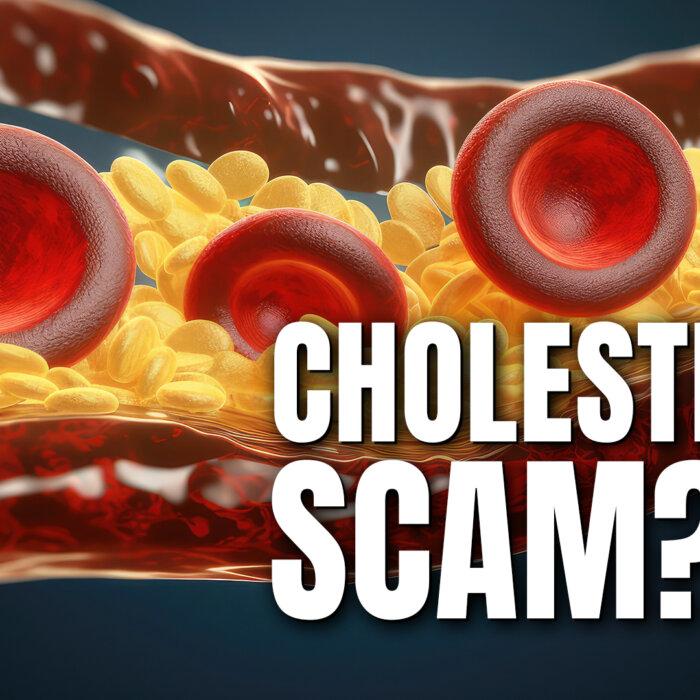
The research involved collecting a library of stool samples over many years and then sorting through more than 16,000 relationships between microbes and their metabolic traits. Scientists noted the strongest association discovered was Oscillibacter levels appearing to be protective of cholesterol levels.Cholesterol and other substances create plaque—a condition called atherosclerosis—that can build up in the arteries blocking blood flow and potentially lead to heart disease, stroke, heart attack, and blood clots.
Further tests involving growing the bacteria to study metabolic pathways revealed that bacteria converted cholesterol into other products before it was broken down by other bacteria and then excreted. Researchers were assisted by machine learning to determine that Oscillibacter were responsible for creating that biochemical conversion, according to a news release published by the Broad Institute of MIT and Harvard.
Researchers also found another bacterial species previously discovered to contribute to lowering cholesterol, Eubacterium coprostanoligenes, may have a synergistic effect with Oscillibacter in metabolizing cholesterol.
Expanding Understanding
According to a Harvard Medical School article, scientists have known for a century that gut bacteria break down cholesterol into coprostanol, though they didn’t understand the mechanism or species involved.Microbiome Therapeutics Coming … Someday
Therapies could mean specific enzyme therapy, probiotics, diet, or other methods. Probiotics can be found in foods like yogurt and fermented vegetables—or in supplements.The latest study reiterates that the work could ultimately point them to a method for manipulating the microbiome in order to decrease cholesterol levels.
Is More Medical Intervention Better?
Though the researchers may be well-intentioned, Dr. Craig Backs told The Epoch Times that strictly honing in on bacteria is overly simplified, has gaps that ignore underlying issues, and leads to a “pill for an ill” approach already dominating medicine.“There’s clearly more to it than, ‘Fix your cholesterol, and you’ll have less heart disease,’” he said, noting that cholesterol is also one of several risk factors that include smoking, obesity, diet, diabetes, and high blood pressure.
He added, “You can talk about the microbiome all you want, but the way to support the microbiome is to feed the microbiome whole foods.”
His intent is to help patients understand why their cholesterol is elevated in the first place and reduce reliance on medication. The Mayo Clinic states that high cholesterol can be the result of inactivity, an unhealthy diet, and even some medications. Genetics can play a role, but it’s overstated.
Circling Back to the Microbiome
Those lifestyle factors are also linked to dysbiosis—an imbalance of gut microbes that causes the populations of good bacteria to decrease. In fact, lower levels of Oscillibacter bacteria have been associated with obesity.“Gut microbiota dysbiosis is a risk factor in the pathophysiological processes related to cholesterol-associated diseases, constituting a subtle and potential mechanism of disease onset,” the study concludes. “Furthermore, the interaction between natural functional [food] ingredients and the cholesterol-lowering actions of the gut microbiota also represents a significant focus of research.
“This focus is poised to profoundly impact the development of novel therapeutic strategies for drug treatment.”