Lustrous and healthy hair is a sign of overall physical health. However, during periods of high psychological stress, disrupted daily routines, physical weakness, or illness, some people experience a sudden onset or exacerbation of graying hair symptoms. This serves as a warning sign that the body might have underlying health issues. In this article, we will delve into the reasons behind the occurrence of premature graying, as well as methods for its treatment and prevention.
Understanding Hair Physiology and Anatomy
Each strand of hair grows from an individual hair follicle. The hair “bulb,” located at the base of the follicle is formed by the dermal papilla and hair matrix. The dermal papilla regulates the number of matrix cells, determining the length of the hair, and contains capillaries to supply nutrients to the hair. The hair matrix contains melanocytes responsible for hair pigmentation. In the middle part of the follicle, sebaceous glands secrete oils to nourish both the hair and scalp.When the blood supply from the capillaries at the base of the hair follicle is inadequate or when the sebaceous glands in the follicle secrete excessively, it can lead to blocked pores and inflammation. This, in turn, causes the hair bulb to shrink, resulting in hair loss. On the other hand, insufficient melanocytes in the hair matrix can lead to the development of gray hair.
Causes of Premature Graying
In traditional Chinese medicine (TCM), hair is believed to be closely related to the functions and energy of internal organs. According to the classic text “The Yellow Emperor’s Classic of Internal Medicine,” “the brilliance of the kidneys is reflected in the hair.” While the nutrition for hair comes from the blood, as it is said, “hair is the surplus of blood,” the vitality of the hair is fundamentally linked to kidney qi (energy). The manifestation of kidney qi can be observed through the condition of the hair. In youth, when kidney qi is abundant, the hair tends to be thick and lustrous. Conversely, in old age or when the body is weakened, deficient kidney qi may lead to dry and brittle hair, as well as premature graying.Dietary Approaches for Addressing Premature Hair Graying
1. Black-Colored Foods
In TCM, each color is believed to correspond to a specific organ, with black associated with the kidneys. Therefore, incorporating black-colored foods like black sesame paste, mulberries, black beans, and black rice is recommended for promoting lustrous and dark hair.2. Dark-Colored Medicinal Herbs for Nourishing Liver and Kidneys
Dark-colored medicinal herbs that nourish the liver and kidneys include Polygoni Multiflorum Radix, Radix Rehmanniae Preparata, Fructus Psoraleae, Rhizoma Polygonati, Eclipta prostrata, and Fructus Ligustri Lucidi.Darkening Hair With Black Sesame Seeds
For those with dark-colored hair, black sesame seeds are highly recommended for keeping color and luster.1. Black Sesame Seeds
Black sesame seeds have a sweet and mild flavor. According to ancient Chinese medical texts, they are believed to offer various benefits, including nourishing the liver and kidneys, moisturizing the five viscera, enhancing qi and strength, promoting muscle growth, nourishing the brain and marrow, strengthening tendons and bones, and improving hearing and vision. They are recommended for conditions such as liver and kidney deficiency, post-illness weakness, premature graying of hair, dry skin, constipation, soreness, and pain in the lower back and knees, weakness in limbs, speech difficulties, slow movement, dizziness, and ringing in the ears.Modern research has found that sesame possesses antioxidant, blood lipid regulation, cardiovascular system protection, liver and kidney protection, anti-inflammatory, and anti-cancer effects. Additionally, animal studies have indicated that the consumption of sesame oil enhances the antioxidant capacity of the kidneys, thereby preventing acute kidney injury.
2. Ancient Recipe for Preventing and Treating Gray Hair
The ancient remedy to prevent and treat gray hair consists of about 8.8 ounces each of black sesame seeds and Polygoni Multiflorum Radix powder, cooked into a paste with sugar. It is made by dissolving the paste in boiling water and taken once in the morning and once in the evening. This remedy is effective for individuals in middle age, but its efficacy tends to diminish in the elderly.In an animal experiment, mice that had their fur shaved and were subsequently administered Polygonum multiflorum showed faster hair growth, and those given a higher dose displayed darker hair color. The researchers found that the intake of Polygonum multiflorum regulates the expression of fibroblast growth factor 7 (FGF-7), a protein known to stimulate the hair growth phase and increase the number of hair follicles.
Prevent Premature Graying and Enhance Scalp Blood Circulation
Combing the Hair With Ten Fingers
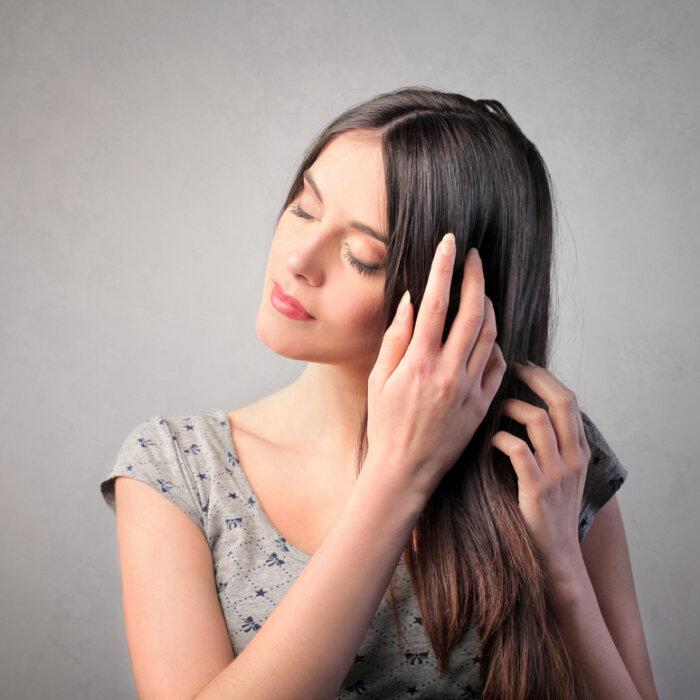
TCM considers the head as the “convergence of all yang energies” and the “house of the original spirit,” where all the body’s meridians (energy pathways) eventually gather. According to TCM’s holographic theory, the head reflects the entire body. By stimulating specific scalp areas through acupuncture, corresponding internal organs can be treated. Therefore, scalp massage not only promotes blood circulation in the scalp but can also address various ailments throughout the body.Method: Use all ten fingers to comb the hair, starting from the hairline and moving towards the roots. Begin with both hands moving from the center towards the back, then separate both hands and comb towards the sides. Repeat this process a hundred times in the morning, afternoon, and evening every day.
Note: Some of the herbs mentioned above may sound unfamiliar, but many of them can be found in health food and Asian grocery shops. Herbal remedies are for daily health care only. Please consult a doctor for specific treatment options based on each individual’s physical condition.

Views expressed in this article are the opinions of the author and do not necessarily reflect the views of The Epoch Times. Epoch Health welcomes professional discussion and friendly debate. To submit an opinion piece, please follow these guidelines and submit through our form here.