
 Fact Checked
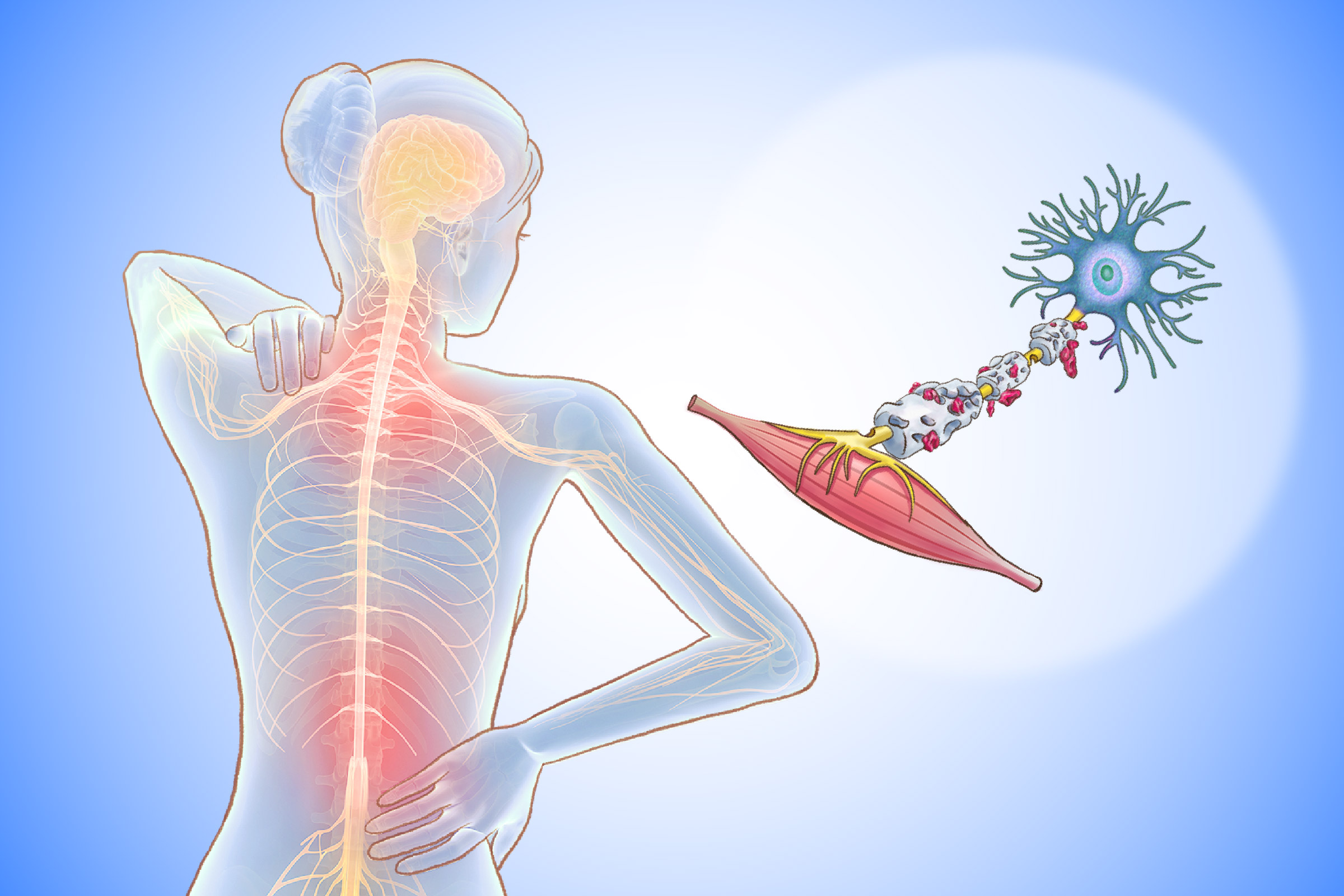
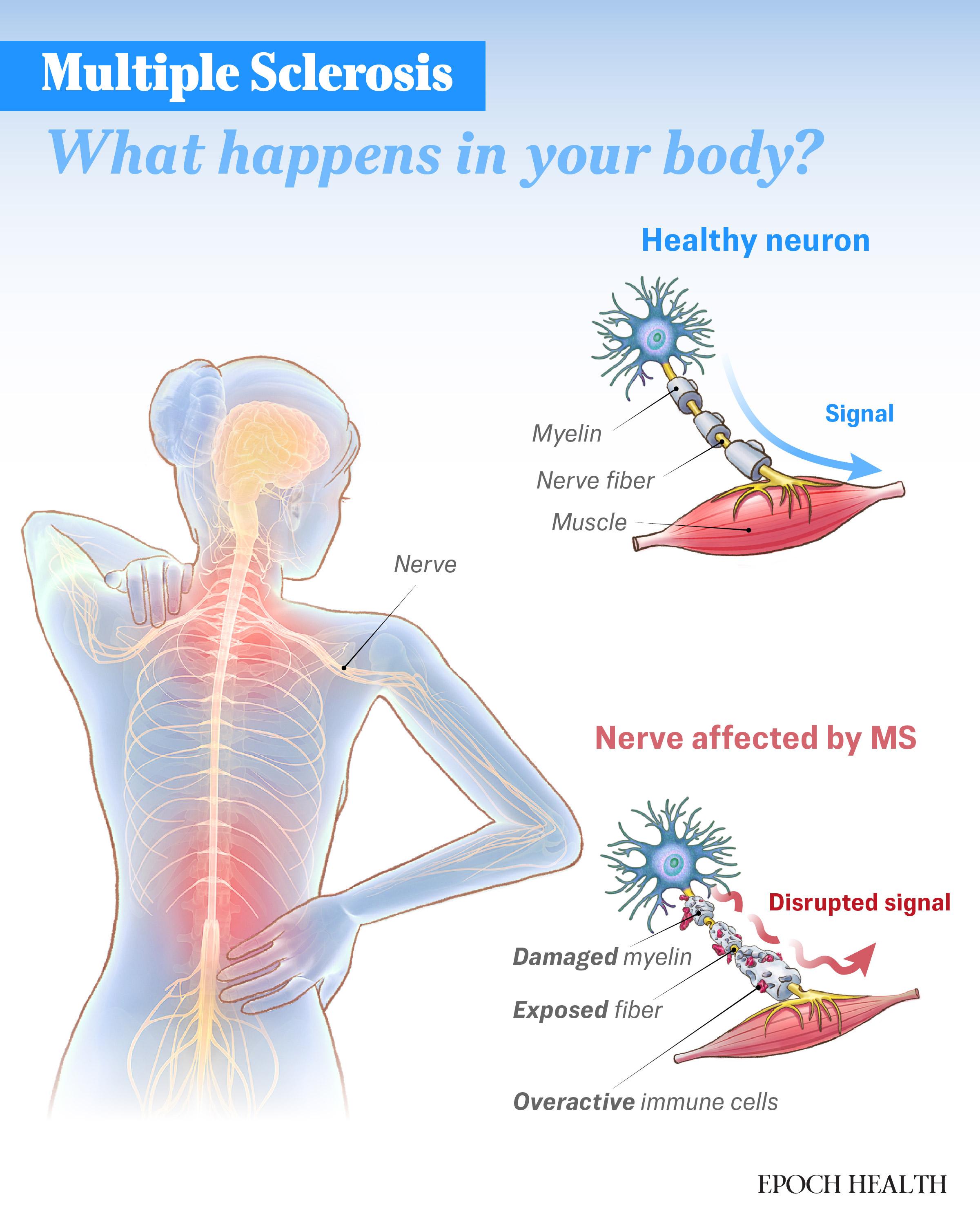
Multiple sclerosis (MS) is an autoimmune inflammatory disease of the central nervous system in which your immune system mistakenly attacks the protective coating around your nerves—called myelin. This coating works like the insulation around electrical wires, helping nerve signals travel properly between your brain and body. When the myelin is damaged, those signals can become disrupted, causing a wide range of symptoms.
MS typically strikes people between the ages of 20 and 40, making it the leading cause of noninjury-related neurological disability in young adults. Nearly 1 million people in the United States currently live with MS.
Although there is no cure, various treatments and lifestyle approaches—including natural options—may help alleviate symptoms.
What Are the Symptoms and Early Signs of Multiple Sclerosis?
Early Warning Signs
Symptoms of MS often develop subtly at first and may be mistaken for other health issues. Vision problems are often among the first symptoms of MS:- Optic neuritis: Causes inflammation of the optic nerve, leading to partial or temporary vision loss, pain when moving the affected eye, flashes of light, and color vision changes. It may affect one or both eyes.
- Double vision: Results from damage to the parts of the brain that control eye movement, leading to double or blurry vision.
- Red-green color distortion: Makes it difficult to distinguish between red and green hues.
- Loss of central vision: Occurs when the optic nerve is affected; peripheral (side) vision usually remains intact.
- Abnormal sensations: Involve tingling, numbness, pain, burning, or itching in the arms, legs, trunk, or face, often accompanied by a decreased sense of touch.
- Loss of strength or dexterity in a leg or hand: Leads to stiffness and reduced function in the affected limb.
- Balance problems: Include sensations of lightheadedness or dizziness. One form, vertigo, causes a feeling of spinning even while stationary and may result from damage to the cerebellar region of the brain.
- Fatigue: Causes extreme tiredness that can make even simple tasks challenging. It typically worsens at the end of the day, in hot weather, after physical activity, or during illness.
Advanced Symptoms
As MS advances, symptoms can become more pronounced and may interfere with daily life.- Paralysis: Involves partial or complete loss of movement as nerve damage progresses.
- Tremor: Involves involuntary limb shaking caused by nerve damage that affects muscle control.
- Bladder dysfunction: Involves frequent urination (polyuria), sudden urges with involuntary leakage (urge incontinence), incomplete bladder emptying (urinary retention), and waking at night to urinate (nocturia).
- Bowel problems: Include constipation—the most common issue—and bowel incontinence, often caused by impacted stool irritating the bowel and leading to leakage of mucus and fluid.
- Cognitive problems: Affect about half of people with MS and may include memory loss, poor concentration, brain fog, slower thinking, and impaired reasoning.
- Neuropathic pain: Causes burning, stabbing pain, tingling, or a tight, squeezing sensation known as the “MS hug.”
- Difficulty swallowing: Ranges from mild to severe and increases the risk of choking or aspiration.
- Dysarthria: Involves slurred, unclear, or irregular speech caused by muscle weakness or poor coordination.
- Pseudobulbar affect: Causes uncontrollable laughing or crying that does not reflect a person’s actual emotions.
- Sexual dysfunction: Includes reduced libido, erectile issues in men, and lubrication or orgasm difficulties in women.
How Do Symptoms Progress?
About 85 percent of people diagnosed with MS go through periods of new or worsening symptoms—called relapses or attacks—followed by times when they feel better, known as remission. For it to be considered a true relapse, the symptoms must last at least 24 hours and not be caused by infection, fever, or stress.These episodes usually last several days to a few weeks. This is called relapsing-remitting MS (RRMS). Relapses are followed by calm periods, or remissions, which can last for months or even years.
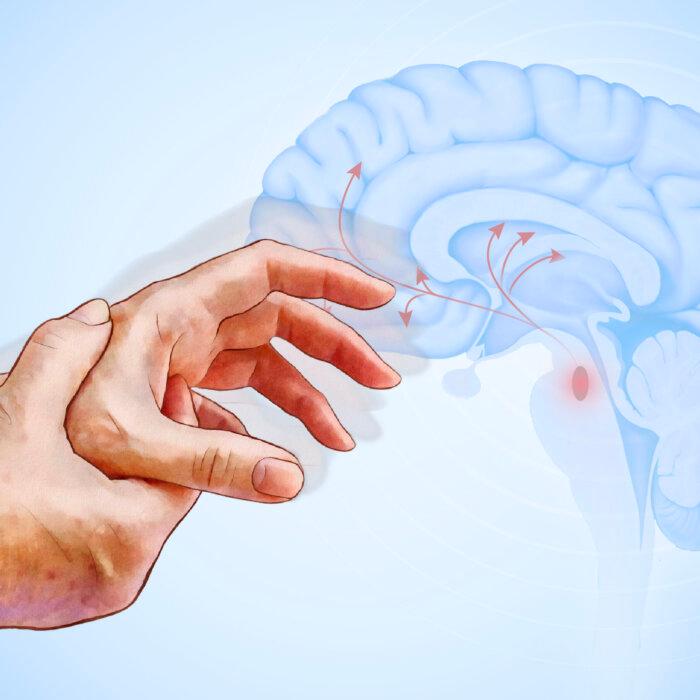
Usually, 10 to 40 years after their first symptoms, about 20 percent to 40 percent of people with RRMS begin to experience a steady worsening of their condition. One of the clearest signs of this transition to secondary progressive MS is increasing difficulty with walking or movement.
Some people experience symptoms that gradually get worse from the start, without clear relapses or recovery periods. These people have primary progressive MS.
When someone has their first episode of MS-like symptoms but hasn’t been diagnosed with MS yet, it’s called clinically isolated syndrome. It’s not a type of MS itself, just a warning sign. People with this condition have a higher chance of developing MS in the future, but not everyone does.
What Causes Multiple Sclerosis?
Myelin plays a crucial role in insulating and safeguarding nerves, ensuring that electrical signals travel quickly and efficiently from the brain to the body.
When this self-attack happens, immune cells release chemicals that cause inflammation and damage to both myelin and the underlying nerve fibers. In some cases, myelin can repair itself, but severe damage may be permanent.
Key Risk Factors
There is no single known trigger for MS, but a combination of environmental, genetic, and lifestyle factors may increase a person’s risk of developing the condition.- Vitamin D Deficiency: Shows higher MS prevalence in countries farther from the equator, especially in the Northern Hemisphere—a pattern known as the latitudinal gradient. The condition is less common in tropical and subtropical regions, possibly due to increased sunlight exposure and higher vitamin D levels. The preventive effect of vitamin D supplements remains unclear. The highest rates are seen in Scandinavian and northern European women.
- Previous viral infections: Involve viruses such as Epstein-Barr—which causes glandular fever, also known as mononucleosis—that have been associated with increased MS risk.
- Childhood and teenage obesity: Increases the risk of developing MS, particularly among girls who were obese during adolescence.
- Genetics: Involves an increased risk for people with a close relative who has MS or another autoimmune disease. Siblings or children of someone with MS have a 2 percent to 3 percent risk, while identical twins show a 25 percent to 30 percent risk, compared with 3 percent to 5 percent in fraternal twins.
- Gender: Affects risk, with women about three times more likely than men to develop relapsing forms of MS.
- Race: Influences prevalence and symptom severity. MS is more common in Caucasians than in people of African heritage, although African Americans often experience more severe symptoms at diagnosis, particularly related to vision and mobility. Latinos are typically diagnosed at a younger age.
- Age: Most MS diagnoses occur between ages 15 and 50.
- Smoking: Increases MS risk twofold among smokers and fivefold among heavy smokers—defined as smoking more than four packs per day. Quitting smoking before or after diagnosis is linked to slower disease progression.
- Diet: Contributes to systematic inflammation when characterized by high intake of saturated animal fat, processed foods, and refined carbohydrates, along with low intake of fiber, vitamin D, and plant-based nutrients—potentially increasing the risk of MS.
- Head trauma in adolescence: Elevates MS risk in youth who experience a concussion between ages 10 and 20. The risk more than doubled for those with multiple concussions, possibly due to an autoimmune response in the central nervous system.
- Anti-hyperglycemic medications: Alters MS risk depending on age of use. A 2022 study found that use after age 45—particularly in women—was associated with a higher MS risk, while use before age 45 was linked to a reduced risk.
How Is Multiple Sclerosis Diagnosed?
Common Tests
To confirm a diagnosis, doctors use a combination of tests to identify nerve damage, rule out other conditions, and detect signs of immune system activity in the central nervous system.- Neurological examination: Evaluates cranial nerves, reflexes, muscle strength, sensation, and vision to identify signs of MS-related nerve damage. Gait and walking speed are also assessed to detect coordination and balance issues.
- Magnetic resonance imaging (MRI) scan: Detects MS lesions in the brain and spinal cord through detailed imaging.
- Lumbar puncture (spinal tap): Analyzes cerebrospinal fluid—which cushions the brain and spinal cord—for abnormal proteins or immune activity associated with MS.
- Evoked potential test: Measures how quickly and strongly nerves respond to visual, auditory, or electrical stimuli to uncover hidden damage in the brain, spinal cord, or optic nerves.
- Blood tests: Rule out other conditions that mimic MS, including infections, vitamin deficiencies, and autoimmune diseases.
- Eye and balance tests: Identify vision changes and coordination problems that may signal MS.
- Urine tests: Rule out infections or kidney-related problems that could cause similar symptoms.
What Are the Treatments for Multiple Sclerosis?
1. Disease-Modifying Therapies (DMTs)
DMTs help reduce relapses and slow neurological damage in MS by limiting myelin damage, but they don’t reverse symptoms or restore lost function. Early DMT treatment is crucial for reducing long-term disability. Treatment typically continues until it becomes ineffective, poorly tolerated, or replaced with a better option.- Beta interferon drugs: Regulate immune cell activity. Efficacy may decline after 18 to 24 months, prompting a potential change in treatment.
- Glatiramer acetate: Alters immune cell balance, although its exact mechanism of action remains unclear.
- Ofatumumab: Functions as a monoclonal antibody delivered via monthly subcutaneous injection, which can be self-administered.
- Natalizumab: Blocks immune cells from entering the brain and spinal cord.
- Ocrelizumab: Targets immune cells involved in the development of MS lesions.
- Alemtuzumab: Targets immune cell surface proteins and is used when patients don’t respond to at least two other treatments. Increases the risk of autoimmune disorders.
- Mitoxantrone: Serves as a last-resort option for aggressive cases unresponsive to other treatments due to its risks of heart damage and blood cancers.
- Ublituximab: Acts as a recently approved monoclonal antibody used to treat relapsing forms of MS.
- Fingolimod: Reduces relapse rates in both adults and children by trapping lymphocytes in lymph nodes and preventing them from reaching the brain and spinal cord. It is the first FDA-approved MS treatment for children aged 10 and older.
- Dimethyl fumarate: Treats relapsing forms of MS. Side effects may include flushing, diarrhea, nausea, and a drop in white blood cell count, which can increase the risk of infection.
- Teriflunomide: Limits the activity of overactive immune cells.
- Cladribine: Targets specific immune cells that drive MS activity. Generally reserved for patients who haven’t responded well to other treatments.
- Siponimod: Prevents immune cells from entering the central nervous system and works similarly to fingolimod.
2. Relapse Management
Infections, stress, or heat can trigger a pseudo-relapse—when old symptoms temporarily worsen without new inflammation or disease progression.True relapses are often treated with a three- to five-day course of oral or intravenous steroids at home. Steroids can speed up recovery, but do not prevent future relapses or halt MS progression. Because frequent use can cause side effects—including infections, mood changes, ulcers, osteoporosis, and diabetes—steroid treatments are typically limited to no more than three times per year.
3. Symptom-Specific Treatments
A wide range of treatments and medications are available to help manage MS symptoms, including:- Fatigue: May be managed with cognitive behavioral therapy (CBT), magnetic therapy, regular physical activity, occupational therapy, stress reduction techniques, and central nervous system stimulants.
- Vision problems: May improve on their own within weeks. Severe cases may be treated with steroids or specialized eyeglasses.
- Muscle spasms and stiffness: May be relieved through physical therapy, aquatic therapy, and muscle relaxants such as baclofen.
- Mobility issues: May be addressed with exercise programs, vestibular rehab, physical therapy, mobility aids such as canes or wheelchairs, home modifications like stair lifts, and medications such as dalfampridine.
- Pain: May be managed with transcutaneous electrical nerve stimulation, muscle relaxants, massage, heat therapy, and medications such as gabapentin, pregabalin, and amitriptyline.
- Depression: May be treated with CBT and medications such as tricyclic antidepressants like amitriptyline or selective serotonin reuptake inhibitors like citalopram.
- Bladder issues: May be managed with intermittent self-catheterization, long-term catheters, urinary antispasmodics such as flavoxate, and external stimulation devices.
- Bowel problems: May be treated with stool softeners, laxatives, suppositories, enemas, antidiarrheal medications, increased fluid intake, a high-fiber diet, and pelvic floor exercises.
- Speech and swallowing difficulties: May be addressed through speech therapy, oral muscle exercises, and medications such as anticholinergics.
- Tremors: May be managed with assistive devices like weighted utensils, anticonvulsants such as gabapentin, and, in some cases, deep brain stimulation or medications such as clonazepam.
- Pseudobulbar affect: May be treated with a combination of dextromethorphan and quinidine or other medications such as amitriptyline or citalopram.
- Vertigo: May be relieved with anti-nausea medications such as dimenhydrinate, diphenhydramine, or meclizine.
- Cognitive impairment: May be treated with drugs such as donepezil in select cases.
4. Emerging Therapies
Several experimental therapies are being developed to improve outcomes in MS by targeting new biological pathways.5. Integrative Medicine
Complementary approaches may support symptom relief and overall well-being when used alongside conventional treatments.- Ginkgo: May reduce inflammation and fatigue.
- Valerian: May support sleep and reduce fatigue.
- Ginger: May offer anti-inflammatory and neuroprotective effects.
- Turmeric: Contains curcumin, which may offer anti-inflammatory properties.
- Saffron: May offer potential antidepressant benefits.
- St. John’s wort: May support mood and reduce inflammation, particularly in people with MS-related depression.
Reflexology is a practice that involves applying pressure to specific points on the feet. This technique is based on the idea that certain areas of the feet correspond to different parts of the body.
For people with multiple sclerosis, reflexology may help relieve a range of symptoms, such as pain and muscle spasms, muscle weakness, and bladder and bowel problems.
Aromatherapy uses essential oils to promote relaxation and may help with pain relief, sleep, joint and muscle mobility, and overall sense of well-being.
Chiropractic therapy may help relieve back, neck, or shoulder pain related to joint and muscle issues.
- Gait training: Involves strategies to improve walking, enhance stability, and increase efficiency.
- Aquatic therapy: Involves water-based exercises that reduce joint strain and improve endurance.
- Assistive device training: Provides guidance on safely and effectively using mobility aids such as canes, walkers, or wheelchairs.
- Massage: May relieve muscle stiffness, reduce pain, and improve range of motion. It may also help reduce fatigue, spasms, and pain.
6. Supplements
Although more clinical studies are needed to determine safety, dosage, and effectiveness, the following supplements may be helpful for people with MS:- Antioxidant vitamins (A, C, E): Help protect against free radical damage, potentially reducing myelin injury.
- Vitamin D: May reduce MS risk and slow disease progression. A study published in March suggests that high-dose supplementation may significantly slow the progression of clinically isolated syndrome, which can precede MS.
- Vitamin B12: Vitamin B12 deficiency and MS can share some similar symptoms. While some studies have found that Vitamin B12 deficiency appears to be more common in people with MS than in those without the condition, other studies haven’t found a strong link. Although B12 deficiency isn’t considered a main cause of MS, it may make symptoms worse or slow down recovery. Vitamin B12 supplementation could be beneficial for individuals with MS, especially those with low B12 levels.
- Omega-3 fatty acids (polyunsaturated fats): May regulate immune responses and lower inflammation by reducing cytokine activity
- Linoleic acid: May support immune system balance and help manage MS symptoms
What Are the Natural and Lifestyle Approaches to Multiple Sclerosis?
1. Therapeutic Diets
Certain eating patterns may help reduce inflammation, manage symptoms, and support long-term health in people with MS.
Modified Mediterranean diet: The modified Mediterranean diet emphasizes fish, foods rich in poly- and monounsaturated fats, fresh fruits, vegetables, and whole grains, while eliminating most processed foods. It also limits salt intake to less than 2 grams per day. This anti-inflammatory approach has been linked to reduced fatigue, better symptom control, and decreased disability in people with MS, according to findings from a pilot study. A large 2024 study using UK Biobank data found that moderate consumption of fatty fish—particularly once per week—was associated with a reduced risk of developing MS compared with no intake, suggesting a potential protective effect.2. More Sunlight
A study published in February found that just 30 minutes of daily sun exposure during a child’s first summer may reduce the risk of MS relapses in pediatric-onset MS. The study also noted similar protective effects from maternal sun exposure during pregnancy, suggesting a potential role for sunlight in decreasing disease activity.3. Mind-Body Practices
Mind-body techniques may support physical and emotional well-being by helping people manage stress, improve movement, and enhance overall quality of life.4. Essential Exercises
Physical activity plays a key role in managing MS by improving strength, mobility, and energy levels while reducing fatigue.5. Social Engagement
A 2022 study found that strong social support and active social engagement are linked to better physical and mental health in people with MS, highlighting the importance of including social integration in MS care.How Does Mindset Affect Multiple Sclerosis?
Fostering a positive attitude isn’t about ignoring challenges—it’s about developing tools to better navigate them.
People with MS should surround themselves with supportive, encouraging people and practice kind, constructive self-talk to boost emotional well-being. They should also celebrate small wins like sticking to treatment or healthy habits, and engage in activities that bring joy to maintain purpose and motivation.
How Can I Prevent Multiple Sclerosis?
What Are the Complications of Multiple Sclerosis?
Physical Complications
As MS progresses, the condition can lead to a range of physical challenges that interfere with basic functions and increase the risk of further health issues.- Swallowing issues: Difficulty swallowing can lead to choking risks and nutritional challenges, requiring careful management.
- Decreasing self-care capacity: Reduced ability to perform daily tasks can affect independence and quality of life.
- Indwelling catheter requirement: Use of a permanent catheter may be necessary to manage bladder function.
- Mobility issues: Problems with walking or movement increase the risk of falls and limit daily activities.
- Osteoporosis and bone fractures: Bone thinning raises fracture risk, especially with decreased mobility or falls.
- Urinary tract infections: Frequent infections can result from bladder dysfunction and require prompt treatment to avoid complications.