Uncertain Factors Behind Outbreak
Mpox is caused by the monkeypox virus, a species of the genus Orthopoxvirus. Two distinct clades (variants) exist: clade 1 and 2. Both spread through close contact, with higher risk for those having multiple partners.Transmission requires contact with infectious rashes, fluids, or shared items like clothing or bedding. Intimate activities also transmit mpox through skin/mouth contact or respiratory droplets.
Additionally, mpox can spread through the bites, scratches, prepared meat, or carcasses of infected animals. The CDC reports monkeys, rodents, and other mammals may carry monkeypox. Reptile and bird susceptibility is uncertain, though home pets might also be possible carriers.
Drivers behind the swelling international outbreak, affecting all genders and ages, remain unknown, according to the WHO.
New CDC data indicates mpox transmission occurred through nonsexual contact in parts of Washington D.C. and Tennessee. The analysis looked at 278 total mpox cases between May 1 and July 31, 2022—252 in Washington and 26 in Tennessee.Researchers followed up with people who had nonsexual exposure to confirmed mpox patients, such as contacts at large gatherings, work, or home. Ten nonsexual contacts—nine in DC and one in Tennessee—developed mpox symptoms within three weeks of exposure.
Suboptimal Vaccine Coverage
An mpox vaccine exists but has limited eligibility and uptake. Only 23 percent of those approved have gotten both required doses for full protection so far.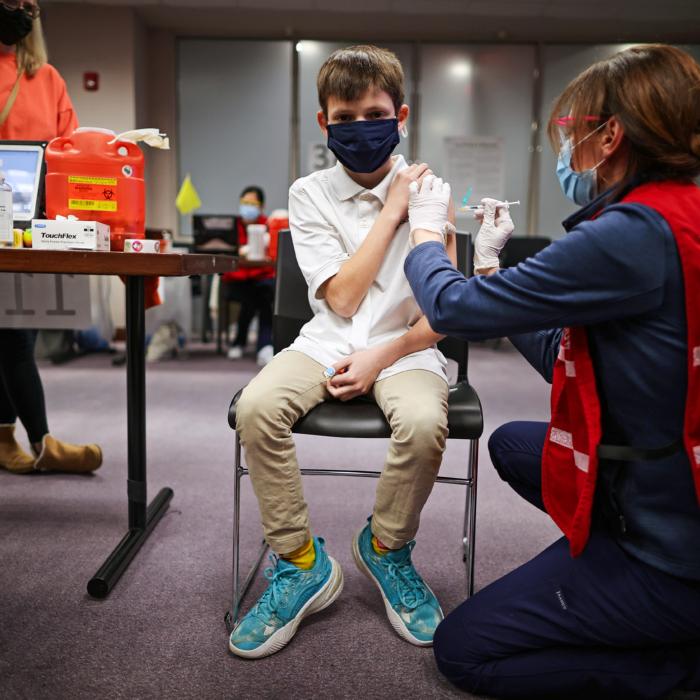
Those eligible for the mpox vaccine include: individuals exposed to known mpox cases; gay men, bisexual men, or transgender people with multiple sex partners or a sexually transmitted disease; those who may get exposed at their workplace; and people participating in high-risk sexual activities.