Wellness trends come and go, but moringa has been growing in village gardens across Africa and Asia for centuries. Now, Western science is catching up.
Native to India, moringa oleifera is a valued herb in Ayurveda, in which it is also known as “shigru.” It goes by many names—the tree of life, drumstick tree (thanks to the shape of the seed pods), and horseradish tree, as the roots can be ground into a paste with a similar flavor.
A True Superfood
Moringa can easily hold its own as a superfood, for even more reasons than its impressive nutritional profile. Moringa is a crucial source of food and medicine, particularly in arid and food-insecure regions, where it grows most abundantly.“Moringa is often called the ‘Miracle Tree’ because almost every part of the plant has a practical use,” Esther Spencer of the International Tree Foundation, a charity that has worked to plant trees and restore forests across Africa and the UK for more than a century, told The Epoch Times in an email.
“Its leaves, flowers, seed pods, and seeds are edible, while different parts of the tree are also used in traditional medicine, water purification, livestock feed, and agroforestry systems.”
The tree grows fast, reaching maturity within a year and producing significant yields. A single moringa tree can produce 300 pods by its second year, and between 400 and 500 by its third, with productive trees yielding 1,000 pods or more, Spencer said.
“Moringa is one of many useful tree species that can support community livelihoods and environmental restoration,” Spencer said.
However, she noted that the foundation’s projects are not focused on a single tree species and promote diverse tree-planting approaches appropriate to each location.
Highly Nutritious
Moringa’s nutrient content is what it’s best known for.“What makes moringa particularly interesting is that it offers a combination of nutrients and antioxidant compounds rather than a single standout ingredient,” Laurie White, a board-certified naturopathic doctor and a functional medicine and nutritional therapy practitioner, told The Epoch Times via email.
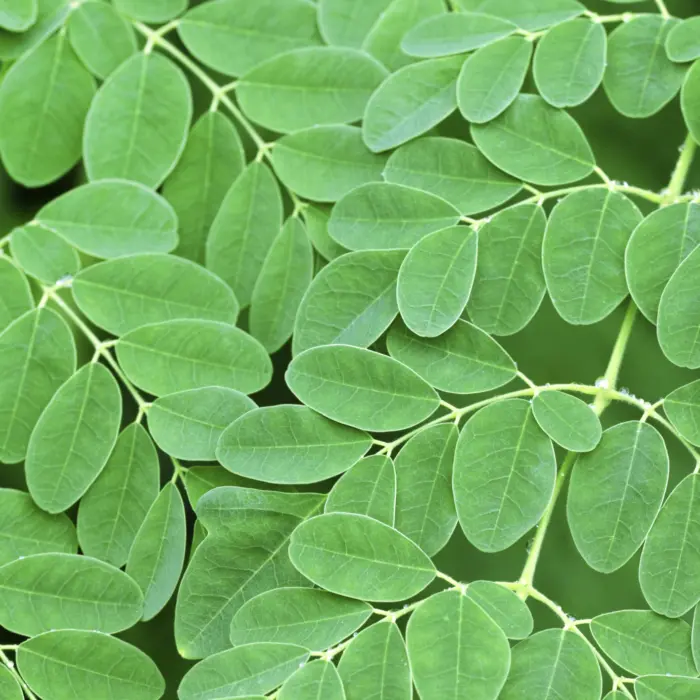
Although every part of the moringa plant can be used—roots, stems, leaves, immature seed pods, young seeds, and flowers—moringa leaves are the most commonly eaten, and are especially nutritious, containing an abundance of vitamins A, B, and C in addition to protein, calcium, iron, potassium, and all the essential amino acids.
Purifies and Detoxifies
Moringa seeds are powerful natural detoxifiers, behaving as chelators that bind to heavy metals and toxins in the blood and liver and remove them from the body. Studies show that the seeds have a protective effect on the liver, especially against heavy metal toxicity from cadmium, mercury, and lead.Its purification effects are not limited to the body.
“One of the lesser-known uses of moringa is water purification,” Spencer said.
Digestive Health
Moringa leaf is an excellent source of soluble and insoluble fiber, making it very effective at keeping things moving through the digestive tract and feeding beneficial bacteria in the gut. Studies have shown that dried moringa leaf powder contains between 12 percent and 25 percent dietary fiber, and that immature seed pods contain about 47 percent fiber, making both effective strategies for digestive health.Supports Brain Health
Moringa has shown strong neuroprotective potential. Recent studies have explored its neuroprotective effects and ability to combat neurotoxicity from various sources, including heavy metals, insecticides, and alcohol.Studies on moringa’s neuroprotective properties are largely preclinical, meaning that they have been conducted primarily in the lab and in animal models. However, moringa contains numerous compounds, including quercetin and chlorogenic acid, known to counteract two major mechanisms underlying neurological disease—chronic brain inflammation and oxidative stress-induced neuronal damage.
“From a functional medicine perspective, I view moringa as a potentially supportive nutrient-dense plant that may contribute to overall brain health as part of a broader strategy that includes adequate sleep, blood sugar regulation, physical activity, stress management, and a nutrient-rich diet,” White said.
Moringa Safety
Moringa is generally well-tolerated, but it is not without cautions. Those taking medications to manage blood sugar or blood pressure, or those on blood thinners, should consult a healthcare provider before using moringa, as it may interact with these medications. Pregnant women should also speak to their doctor before using moringa.As most of the available safety data concern the leaf, products derived from the root or bark carry less well-characterized risk profiles, White said.
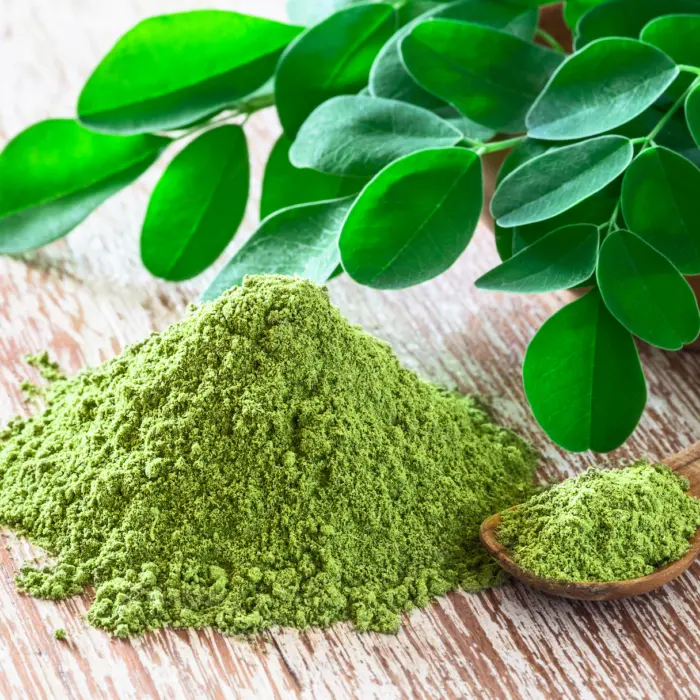
Moringa is available in multiple forms, including powdered leaf, capsules, tablets, and teas, and can be purchased online and in health food stores.
“The powdered leaf form is one of the most common options and can be mixed into smoothies, shakes, soups, or other foods,” White said. “When introducing moringa, I generally recommend starting with a smaller amount and gradually increasing as tolerated, particularly in individuals with sensitive digestion.”