Microscopic plastic particles floating in the air we breathe may be driving up rates of lung and colon cancer while damaging fertility in both men and women, according to a recent scientific review of 3,000 studies released by University of California–San Francisco (UCSF) researchers.
An Invisible Threat Lurking Indoors
The review published in the journal Environmental Science & Technology highlights how tiny plastic particles released from degrading tires and waste contribute to a form of air pollution that poses significant health risks.The growing body of evidence reviewed in the study suggests that exposure to microplastics is associated with adverse health effects in various living organisms.
“For example, microplastics increase the susceptibility of fish and seabirds to infections,” the authors wrote. “Microplastics have also been shown to accumulate in organs and lead to biological changes, including oxidative stress and inflammation in human cell lines.”
The study authors also stated that microplastics can accumulate in organs and lead to biological changes, including oxidative stress and inflammation in human cell lines.
Microplastics pose a significant threat to human health, particularly in relation to cancer development, according to the systematic review. They can trigger chronic inflammation by increasing the production of inflammatory chemicals in the body. This persistent inflammation can damage cells and contribute to the growth of tumors.
Microplastics also generate oxidative stress, overwhelming the body’s defenses and damaging DNA, the authors wrote. They can also disrupt essential cellular processes such as cell proliferation and cell death, weaken the immune system’s ability to fight cancer, and interfere with hormone function.
Notably, exposure to microplastics has been linked to poor cardiovascular and respiratory health outcomes, metabolic disorders, gastrointestinal effects, reproductive issues, and cancer in humans.
Widespread in the Environment
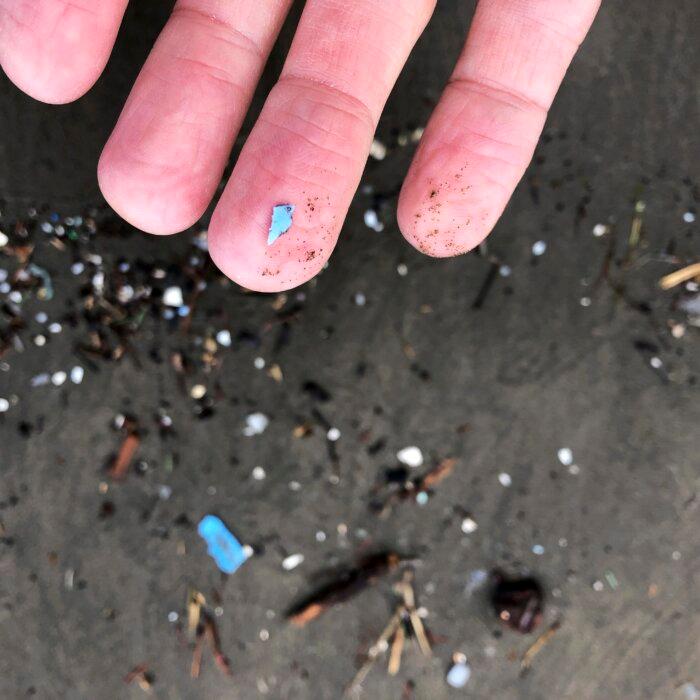
Microplastics, defined as particles less than five millimeters in size, are widespread in the environment and a growing concern, with researchers noting that annual global plastic production is nearing 460 million metric tons and is projected to reach 1.1 billion by 2050. The UCSF researchers pointed out that a significant source of microplastic pollution in the air is the breakdown of tires while people drive, as friction causes tire debris to be released into the atmosphere.“The paper is the first systematic review of microplastics using gold standard methods approved by the National Academy of Sciences,” the researchers noted.
Study Builds on Previous Research
Although most of the studies included in this review were conducted on animals, the researchers assert that their findings are likely relevant to humans because of shared exposure pathways.“We urge regulatory agencies and policy leaders to consider the growing evidence of health harms from microplastics, including colon and lung cancer,” Nicholas Chartres, first author of the UCSF study, said in the press release. “We hope state leaders will take immediate action to prevent further exposures.”