Uterine fibroids, noncancerous growths that develop in the wall of the uterus, affect up to 80 percent of women at some point in their lives and can lead to severe pain and fertility issues for nearly half of those affected.
Although hysterectomy has traditionally been the most common treatment for this condition, researchers at the Mayo Clinic are advocating for minimally invasive alternatives, warning that the widespread practice of removing the uterus may cause unnecessary long-term health risks for millions of women.
Health Concerns Associated With Hysterectomy
More than 50 percent of women diagnosed with uterine fibroids are advised to undergo a hysterectomy—surgery in which the uterus is removed—instead of a less-invasive procedure, according to a survey from the Society of Interventional Radiology.Experts from the Mayo Clinic caution that hysterectomy may not be the best option for women’s immediate and long-term health.
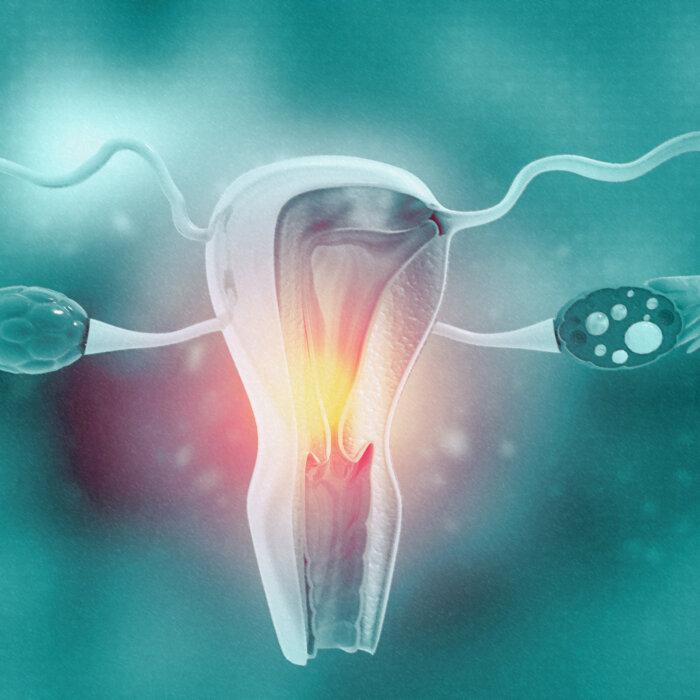

The researchers highlighted several risks associated with hysterectomy, noting that the procedure may increase the likelihood of cardiovascular disease, depression, and anxiety and result in higher mortality rates, especially for women who undergo the procedure during their child-bearing years.
Alternative Treatment Options
The Mayo Clinic paper outlines several alternatives to hysterectomy, including:- Hormone-releasing in uterine devices (IUDs)
- Radiofrequency ablation (a procedure that uses heat to destroy tissue)
- Focused ultrasound ablation (which uses ultrasound beams to target and ablate tissue)
- Uterine artery embolization (which blocks the blood supply to the fibroids, causing them to shrink and alleviating symptoms)
Early Detection Is Crucial: Experts
While fibroid diagnosis is straightforward and uses a pelvic ultrasound, screening often only occurs after the condition worsens, the researchers wrote.Early detection of fibroids is crucial, as smaller fibroids are typically less complicated to treat. The incidence of fibroids rises with age and is notably higher in black women, who also tend to experience more severe symptoms, according to the study.
“Earlier diagnosis and treatment of uterine fibroids can help reduce this health disparity among Black women,” Dr. Ebbie Stewart, co-lead author and gynecologist at Mayo Clinic, said in the press release.
Role of Hysterectomy in Treatment
Despite the medical community’s reliance on hysterectomy, there are challenges associated with this approach, Laughlin-Tommaso noted.“Hysterectomy makes decision-making easier for medical providers and patients,” she said. “For providers, they don’t have to determine which fibroids to treat or remove. Hysterectomy is also universally available in OB-GYN practices.”
Concerns about missing rare uterine cancers, such as leiomyosarcoma, have also contributed to women choosing hysterectomies over less-invasive treatments.
Complicating the issue is that fibroids can recur in approximately 50 percent to 60 percent of cases within five to 10 years of removal. However, not all recurrences become symptomatic, especially as women approach menopause.