Marijuana
Results of the comprehensive report, Monitoring the Future (MTF), detailed that marijuana use among 19- to 30-year-olds rose steadily over a 10-year period, rising from about 28 percent in 2012 to a little over 43 percent in 2022.In adults 35 to 50, the percent increase doubled to about 28 percent over the same 10-year timeframe.
In addition to the annual uptick, daily marijuana use in 19- to 30-year-olds also reached the highest levels ever reported by the study. One in 10 adults use marijuana every day.
But marijuana is just one of the risky behaviors adults in both categories increasingly turn to. Alcohol, vaping, and hallucinogenic drug use are also at their highest, posing a significant public health threat.


Alcohol
Alcohol tops the list for both young and older adults as the most widely used substance, with about 83 percent of 19- to 30-year-olds saying they drank in 2022. Drinking in older adults exceeded the younger generation.Vaping
Marijuana vaping was reported by over 21 percent of young people in 2022—an increase from 11.5 percent in 2017 when MFT first started tracking it. Past-year nicotine vaping among this group also hit a historic high in 2022.Vaping both marijuana and nicotine has remained at consistent levels in the older group.
Hallucinogens
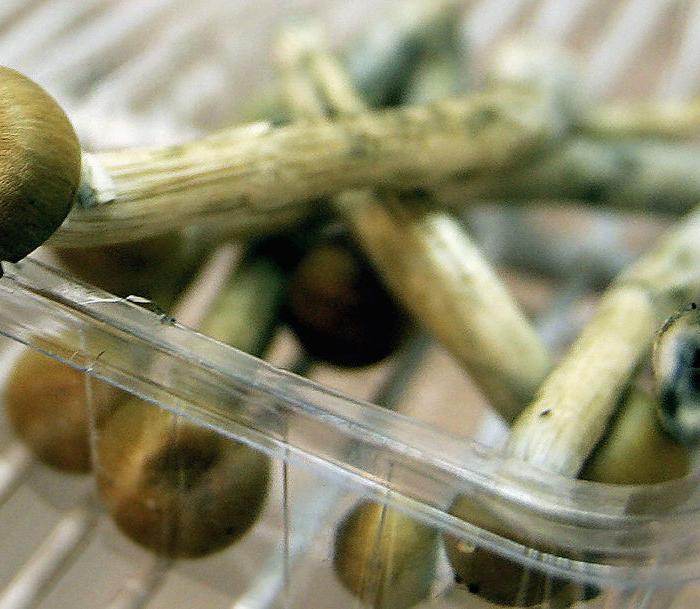
Hallucinogens are psychedelic drugs that affect a person’s thoughts and emotions by disrupting communication networks in the brain. When a person is under the influence of a hallucinogen, they are said to be “tripping.“ Reactions to a ”bad trip” can include fear, confusion, or panic.Past-year hallucinogen use among 19- to 30-year-olds was significantly higher than five and 10 years ago. Today, the number stands at 8 percent.
Engaging in the behavior also reached a historic high among 35- to 50-year-olds. About 4 percent surveyed admitted to using hallucinogens, which may include LSD, MDMA, mescaline, peyote, mushrooms and/or psilocybin, and PCP in 2022. This is nearly double what was reported in 2021.

Other Substances
Researchers also examined trends in cigarette use, sedatives, and nonmedical use of opioid medication. Results showed a 10-year decline for both the younger and older adult groups. Reports of past-year amphetamine use continued a 10-year decrease among 19- to 30-year-olds but increased over the 10-year period among 35- to 50-year-olds.“The value of surveys such as MTF is to show us how drug use trends evolve over decades and across development—from adolescence through adulthood,” Megan Patrick, who has a doctorate in human development and family studies, is a research professor at the University of Michigan, and the principal investigator of the MTF panel study, said in a news release. “Behaviors and public perception of drug use can shift rapidly, based on drug availability and other factors. It’s important to track this so that public health professionals and communities can be prepared to respond.”
The survey also shows substance use is not limited to teens and young adults.
“These data help us understand how people use drugs across the lifespan,” National Institute on Drug Abuse (NIDA) director Dr. Nora Volkow said in the same news release. “Understanding these trends is a first step, and it is crucial that research continues to illuminate how substance use and related health impacts may change over time.”
The MTF study is funded by the NIDA, part of the NIH, and is conducted by scientists at the University of Michigan’s Institute for Social Research, Ann Arbor. The participant pool exceeds 110,000 people and dates back to 1975. Approximately 28,500 people have been surveyed each year since then.
Results from the 2022 MTF study of substance use behaviors and related attitudes among teens in the United States were released in December 2022, and 2023 results are slated to be published in December 2023.