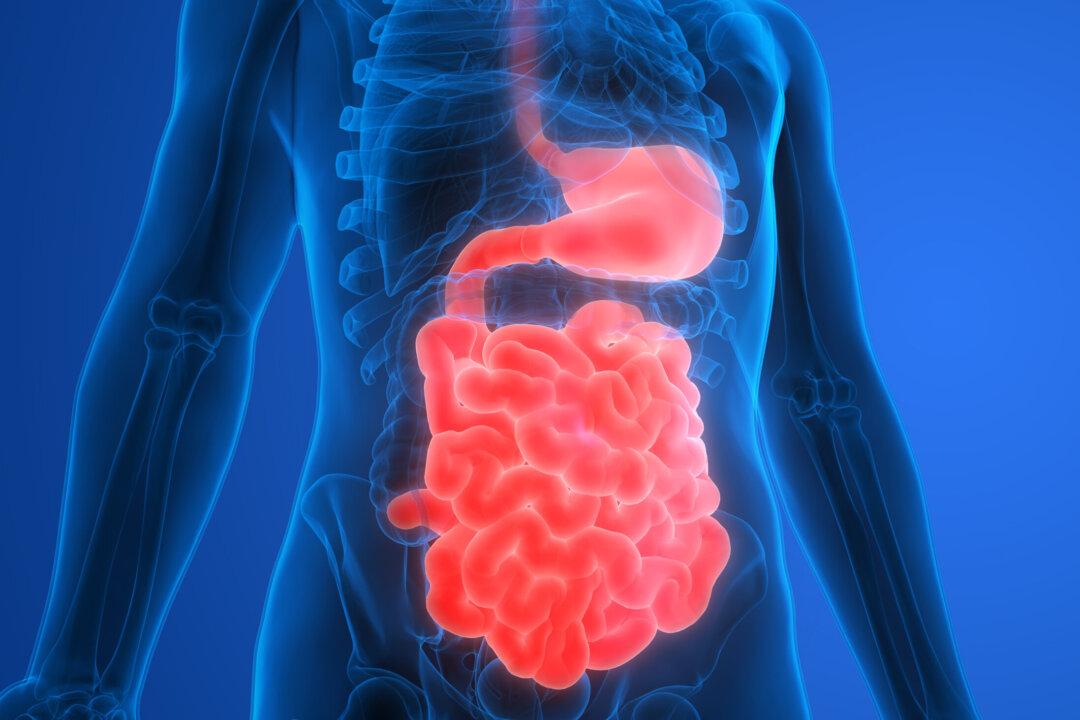
In traditional Chinese medicine (TCM), anxiety is more than a psychological state—it stems from imbalances within the body’s energy (qi), organs, and overall systems. TCM emphasizes the interconnectedness of mind and body and posits that emotional disturbances, including anxiety, often manifest from underlying physical and energetic issues.
One such potential contributor is gluten allergy, which can lead to various health imbalances that are often misidentified, particularly in digestive terms. Inflammation from gluten allergy can contribute to anxiety via the digestive connection to the heart through the small intestine.
How Gluten Allergy Affects the Small Intestines
Gluten allergy typically manifests as celiac disease or non-celiac gluten sensitivity. Gluten can affect the small intestines in the following ways:- Immune Response: The immune system erroneously identifies gluten proteins as harmful, triggering an inflammatory response that can lead to significant health issues.
- Intestinal Damage: The most significant damage occurs to the villi, small finger-like projections within the small intestine responsible for nutrient absorption. The immune response results in inflammation, often causing villous atrophy (flattening of the villi), which impairs their functional capacity.
- Nutrient Malabsorption: Damaged villi reduce the small intestine’s ability to absorb vital nutrients such as fats, carbohydrates, proteins, vitamins, and minerals, leading to malnutrition and a host of related health complications.
- Symptoms: Diarrhea, bloating, and abdominal pain are common symptoms of gluten allergy. Some may also experience systemic effects, including fatigue, anemia, and skin rashes due to malabsorption of nutrients.
- Long-term Risks: Untreated celiac disease can result in a higher risk of serious health issues, including osteoporosis, other autoimmune conditions, and specific cancers.
The TCM Connection: Small Intestine and Heart
In TCM, the Shao Yin channel system connects two vital organs: the heart (Xin) and the small intestine (Xiao Chang). Understanding their interplay is essential:- Yin and Yang Dynamics: The Shao Yin encompasses the yin aspects of both organs. The heart governs blood and houses the mind (Shen), while the small intestine plays a crucial role in separating the clear from the turbid.
- Functionality: The heart’s association with fire, warmth, and circulation contrasts the small intestine’s function in processing food and emotions. A balance between these organs facilitates physical nourishment and emotional stability.
- Emotional Connection: The heart is intricately linked to emotions such as joy and sadness. An imbalance in the small intestine can disrupt emotional equilibrium and thus impact heart function.
- Symptoms of Imbalance: In TCM, a compromised heart may present as anxiety, insomnia, or palpitations, while small intestine dysfunction may result in digestive disturbances and abdominal pain. A weak heart can struggle to support the vital functions of the small intestine, spiraling into broader health issues.
- Therapeutic Approaches: TCM employs various treatments, including acupuncture, herbal remedies, and dietary modifications, to harmonize the relationship between these organs and restore balance.
Challenges in Diagnosing Gluten Allergy
Celiac disease and non-celiac gluten sensitivity can be elusive diagnoses, often overlooked due to several factors:- Symptom Overlap: Gluten-related disorders share symptoms with various conditions, including irritable bowel syndrome, lactose intolerance, or other food allergies.
- Vague Symptoms: Some individuals experience non-gastrointestinal symptoms, like fatigue and headaches, obscuring the root cause.
- Variable Reactions: Reactions to gluten can significantly differ among individuals, complicating recognition and diagnosis.
- Testing Limitations: Standard diagnostic approaches such as blood tests and small intestine biopsies may yield inconclusive results, particularly if the individual has already eliminated gluten from their diet prior to testing.
- Misunderstanding Symptoms: Many individuals attribute their symptoms to stress or other health issues, failing to consider gluten intolerance as a potential cause.
Practical Steps for Identifying Gluten Sensitivity
If you suspect gluten may be impacting your health, you might consider a gluten elimination trial:- Identify Gluten-Containing Foods: Gluten is present in wheat, barley, rye, and derivatives. Avoid breads, pasta, cereals, processed foods, and malt beverages that contain gluten.
- Choose Gluten-free Alternatives: Opt for gluten-free grains like rice, quinoa, certified gluten-free oats, and gluten-free flours and snacks.
- Read Labels Carefully: Always check for gluten or wheat-based ingredients on food labels and look for gluten-free certification labels.
- Cook at Home: Preparing meals at home allows you to control ingredients and reduce the risk of cross-contamination.
- Watch for Cross-Contamination: When sharing living spaces or kitchens, ensure gluten-free foods are separated from gluten-containing items.
- Explore Dining Options: Many restaurants now offer gluten-free menus but inquire about food preparation to avoid cross-contact.
- Consult a Dietitian: A registered dietitian can assist in planning a balanced gluten-free diet, ensuring you meet your nutritional needs.
Views expressed in this article are the opinions of the author and do not necessarily reflect the views of The Epoch Times. Epoch Health welcomes professional discussion and friendly debate. To submit an opinion piece, please follow these guidelines and submit through our form here.