The same pigment that turns wild salmon red is now being bottled and sold as one of the most powerful antioxidants on earth. The claim is extraordinary, but the evidence is more nuanced.
Astaxanthin is a marine carotenoid made by microalgae such as Haematococcus pluvialis and passed up the food chain through krill and shrimp to fish such as trout and salmon. The wellness world has seized on it, promoting it as an antioxidant sometimes said to be 6,000 times stronger than vitamin C in lab tests and linking it to smoother skin, sharper vision, lower inflammation, and better brain health.
Salmon Versus Supplements
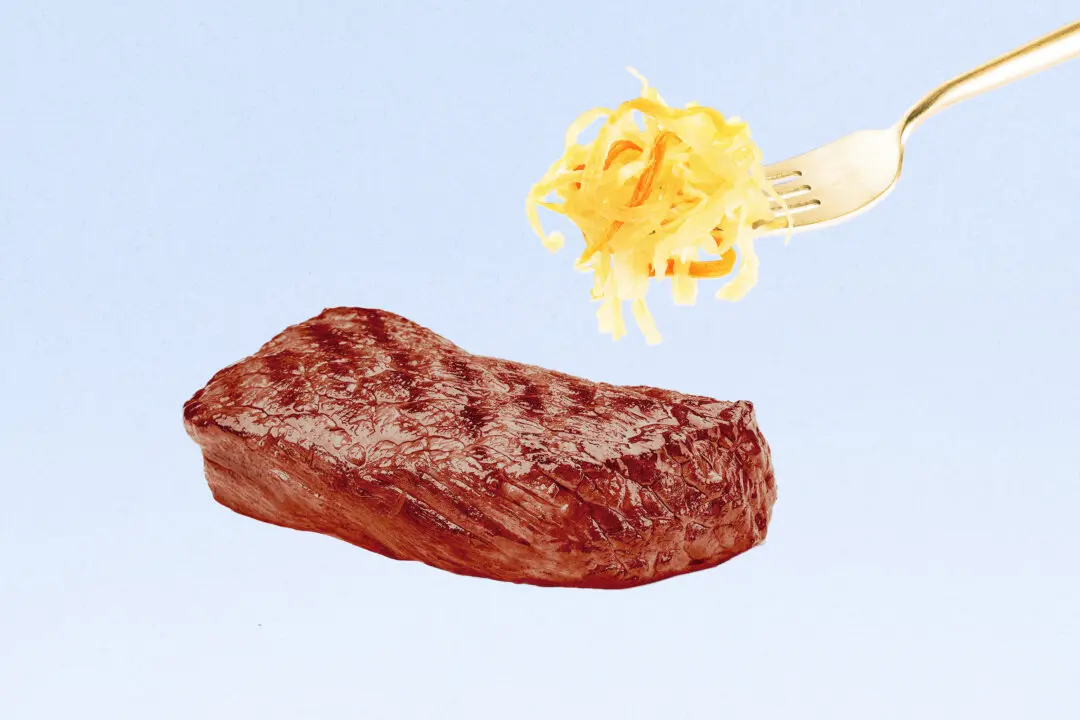
The foundational question: Is wild salmon better than a supplement for astaxanthin?From a nutritionist’s perspective, a high‑quality whole‑food source is superior for the human body. Wild salmon—sockeye in particular—delivers astaxanthin in a synergistic matrix that our cells recognize: alongside omega‑3 fats, protein, selenium, and other nutrient cofactors that support absorption. Omega-3 fats help astaxanthin absorb better since it’s fat-soluble, protein aids by facilitating its transport within the body, and selenium teams up with it for stronger antioxidant protection.
Farmed Atlantic salmon typically contains significantly less astaxanthin, a consequence of differences in feed and algae-based additives. Other useful food sources include rainbow trout, red seabream, and shellfish such as shrimp, krill, crab, and crayfish—although in shellfish, the pigment concentrates mainly in the shell rather than the edible meat.
Supplements, on the other hand, can deliver much higher and more targeted doses—often 4 milligrams (mg) to 12 mg per day, which is beyond what most people get from a few servings of salmon—but absorption varies considerably between individuals.
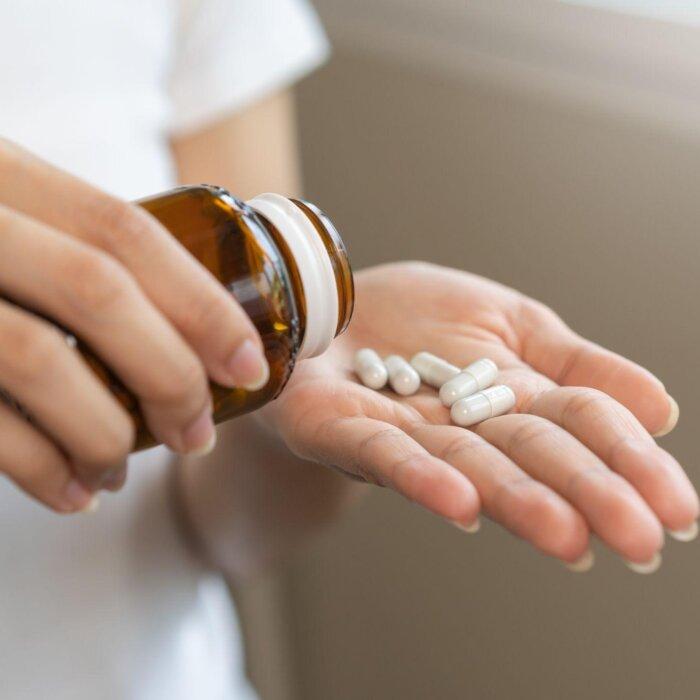
Brand quality and formulation matter more than the word “natural” on the label, although most supplement-grade astaxanthin does derive from Haematococcus pluvialis, the microalgae approved for human use.
Wild sockeye, one of the richest natural sources of astaxanthin, can deliver several mg of the pigment in a typical serving, which is similar to a mid‑range supplement dose. Eating wild salmon a few times per week is the ideal way to get astaxanthin, as it comes packaged with protein and healthy fats.
Skin and Eye Support
One of the loudest claims I hear through my work is that astaxanthin smooths wrinkles and gives skin a glow. A controlled human trial found that taking 4 mg to 12 mg of astaxanthin per day for eight to 16 weeks can reduce skin redness from ultraviolet sun exposure, improve skin moisture, and help strengthen the skin’s protective barrier, although it doesn’t make much difference in deep wrinkles.Astaxanthin is not Botox in a pill. At best, astaxanthin is a supportive supplement to be used alongside sunscreen, a balanced diet, and adequate hydration. It won’t erase deep wrinkles, but it may help nudge skin health in a better direction. Astaxanthin can support skin rejuvenation and help address sun damage, but it isn’t a cosmetic intervention or a replacement for foundational skincare and healthy lifestyle choices.
Inflammation and Heart Health
Lab studies show that astaxanthin is effective at neutralizing damaging free radicals, especially in fat tissue, and its antioxidant activity in test tube tests can appear far higher than that of classic antioxidants such as vitamin C. But the marketed “6,000 times stronger than vitamin C” numbers come from chemical tests in tubes and don’t translate directly to 6,000‑times‑stronger effects in people.It’s not an anti‑inflammatory pill, and it’s not a statin to lower cholesterol. It may help dial down background inflammation and nudge a few heart‑related markers in the right direction, but no one should take it instead of medication, and it won’t erase the risks of a poor diet or chronic stress.
Brain Health
Perhaps the most compelling emerging area in astaxanthin is neuroprotection.Small trials in humans using 6 mg to 12 mg per day for eight to 12 weeks found small improvements in memory and hand-eye coordination, often along with lower levels of stress in the body.
However, there are no large‑scale, long‑term studies to show that astaxanthin prevents Alzheimer’s disease or major cognitive decline. For now, it’s more of a supportive neuroprotective nutrient to consider as part of a broader treatment plan.
Astaxanthin’s antioxidant hype is real, but so is the gap between what the science shows and what the marketing implies. The real verdict lies between the quality of the salmon fillet and the dose and brand of the supplement, as well as the way your body can absorb it, depending on your current state of health. Be careful not to fall for an overpromise of efficacy; it may just be a supportive nutrient, as part of a healthy diet and lifestyle.