As winter drags on, gardeners itch for new projects. Watching seemingly dead seeds transform into small plants—and ultimately summer’s bounty—drives plant lovers during the darkest months.
Winter sowing offers a way to start planting seeds right now, even while freezing temperatures still lie ahead. This simple, low-cost method lets gardeners get a head start on the growing season with cold-hardy seeds and recycled containers.
What Is Winter Sowing?
Winter sowing is an inexpensive gardening technique by which you start cold-hardy seeds outdoors in recycled milk jugs or similar containers. The seeds are exposed to natural winter conditions, which provide the cold stratification they need to germinate successfully.Who Winter Sowing Is For–and What Plants Benefit
Winter sowing works best for seeds that require or benefit from a period of cold exposure. Many gardeners use this method to grow native plants, herbs, flowers, and certain vegetables.Where I live, in the Upper South of the United States, the butterfly-magnet milkweed is a great candidate for winter sowing and a favorite among gardeners looking to support pollinators.
- Herbs: Echinacea, lavender, yarrow, anise hyssop, catnip, and rosemary
- Annuals and Flowers: Marigolds, black-eyed Susans, lupines, larkspur, columbine, delphinium, and poppies
- Native Plants and Trees: Goldenrod, elderberries, redbuds, dogwoods, and ironweed
- Vegetables: Wild carrots, asparagus, perennial leeks, onions, and parsnips
When to Winter Sow
December through March are the best months to winter sow hardy annuals, perennial herbs, native plants, and some vegetables.How to Winter Sow
Getting started with winter sowing is easier than it sounds. With a few basic supplies and a little patience, you can turn tiny seeds into sturdy transplants ready for spring.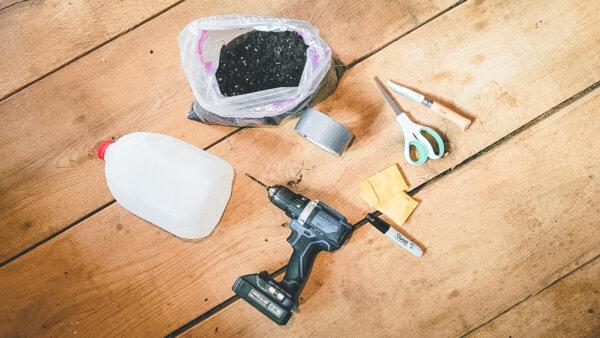
- Clear or translucent containers, such as recycled milk jugs, large yogurt containers, or salad mix boxes
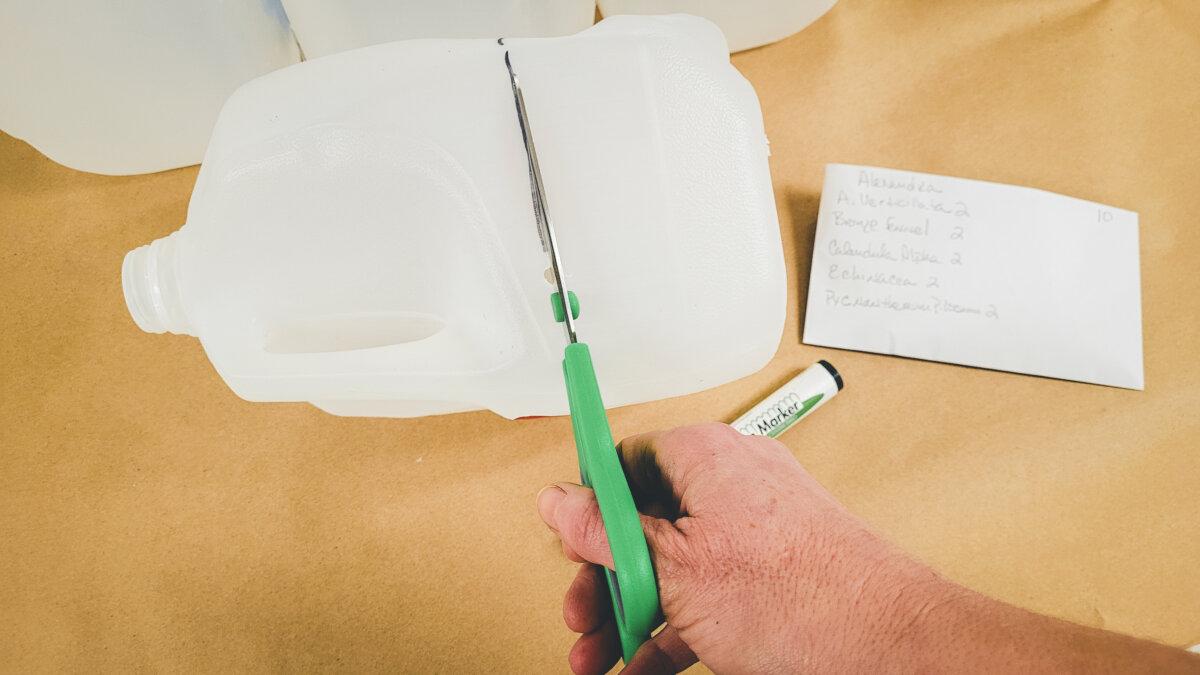
- Scissors or a sharp knife
- Duct tape
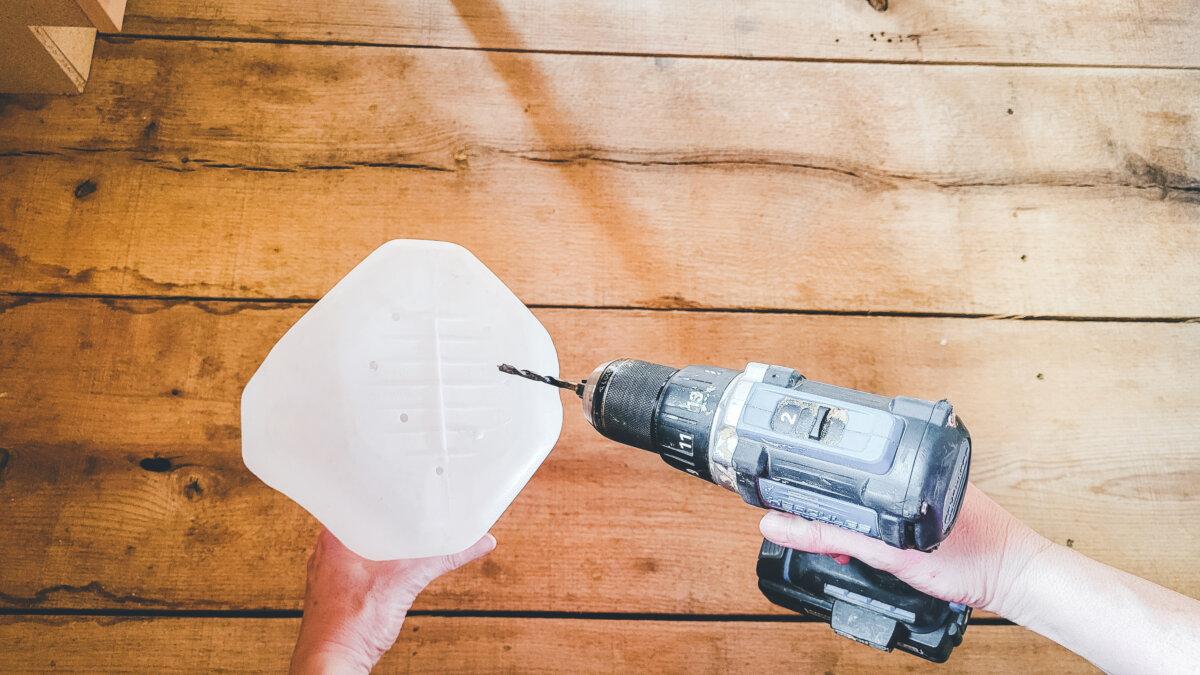
- Drill, center punch tool, or hot glue gun
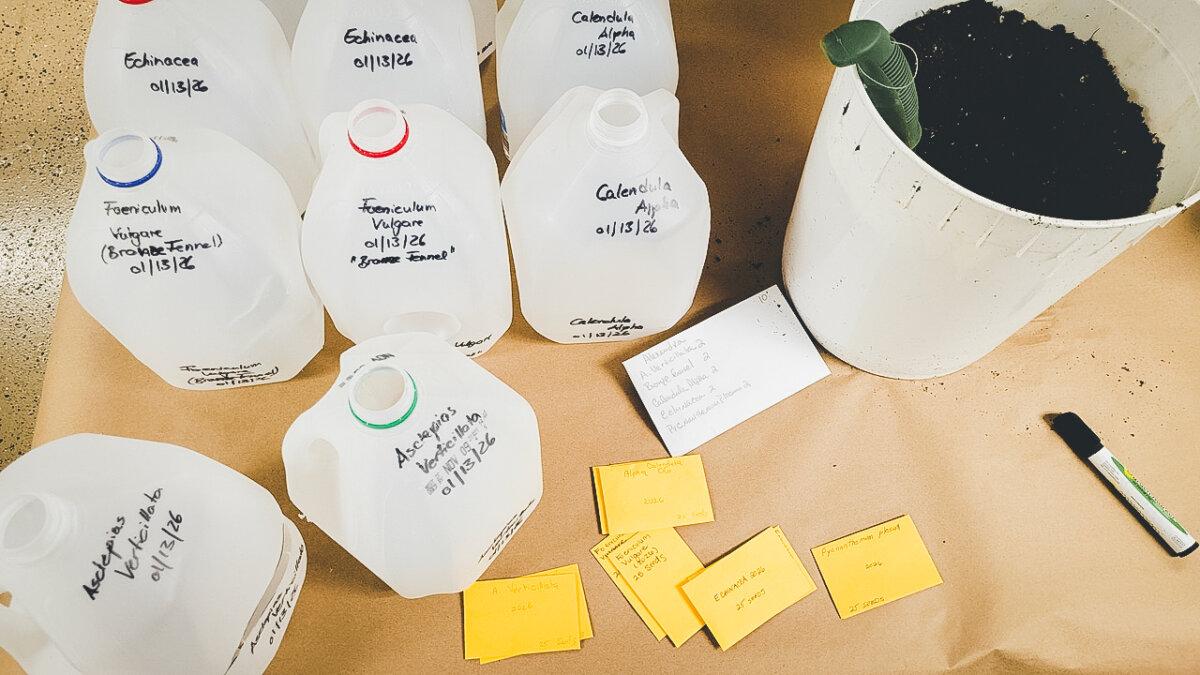
- Waterproof pen or garden markers
- Gloves (if desired)
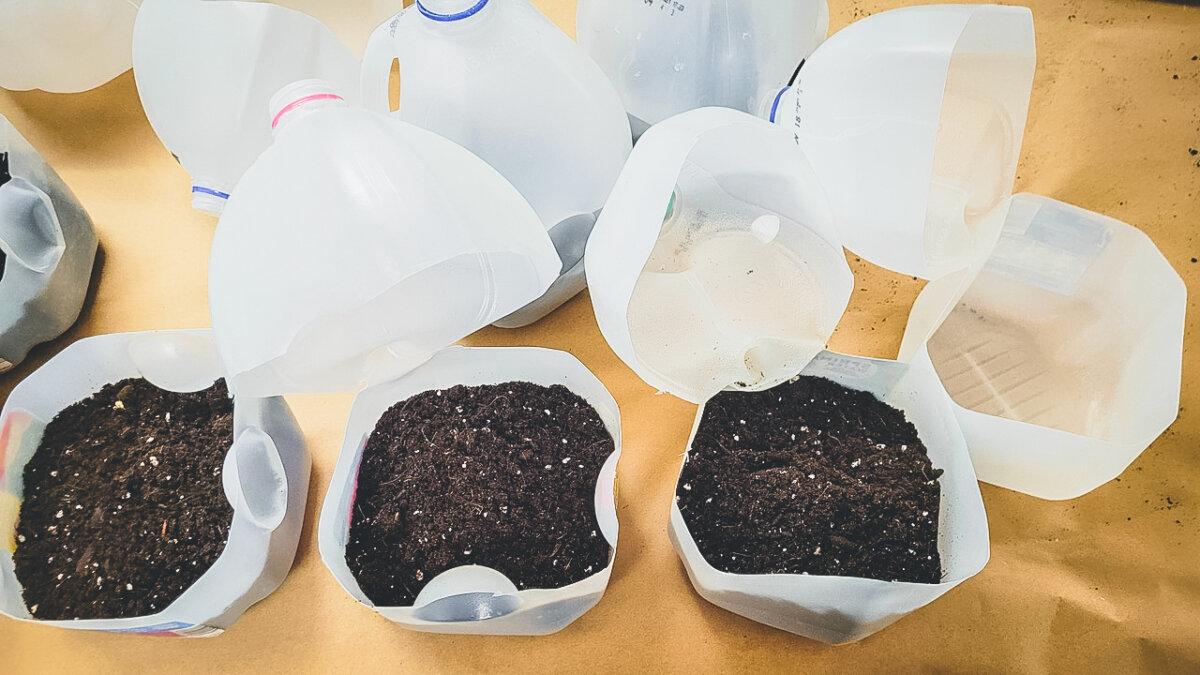
- Soil (a light potting mix, seed-starting mix, or a blend of potting soil and vermicompost)
- Seeds
- Rinse containers thoroughly and discard the caps.
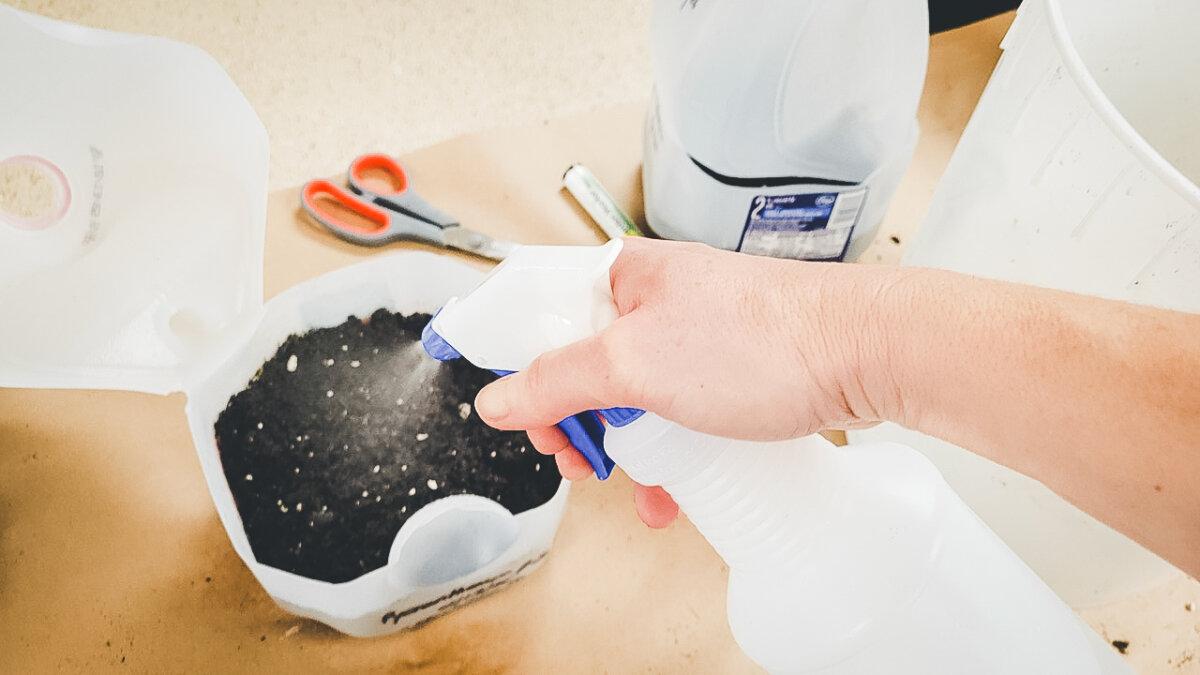
- Prepare a light, well-draining growing medium. Mix 4 parts potting soil with 1 part vermiculite, or use a seed-starting mix combined with vermicompost. Moisten the soil evenly before planting, but avoid standing water. Do not use garden soil or heavy potting mixes, which can stay too wet and smother seeds.
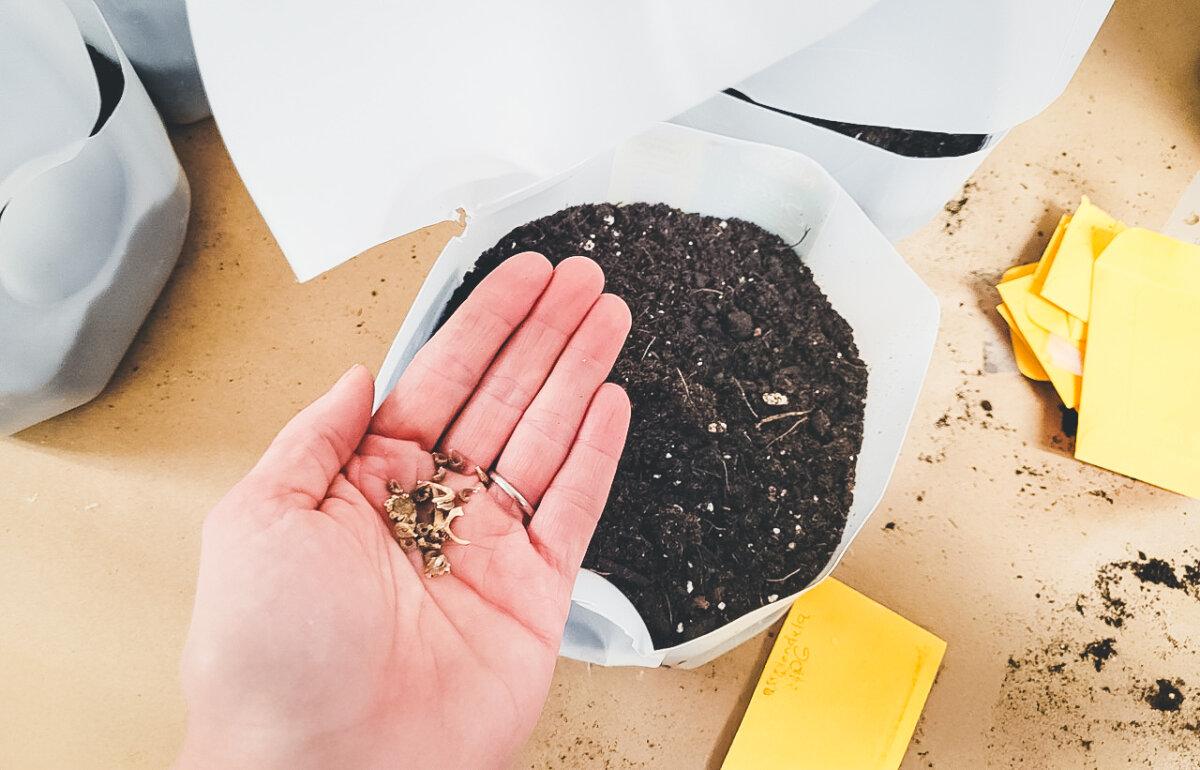
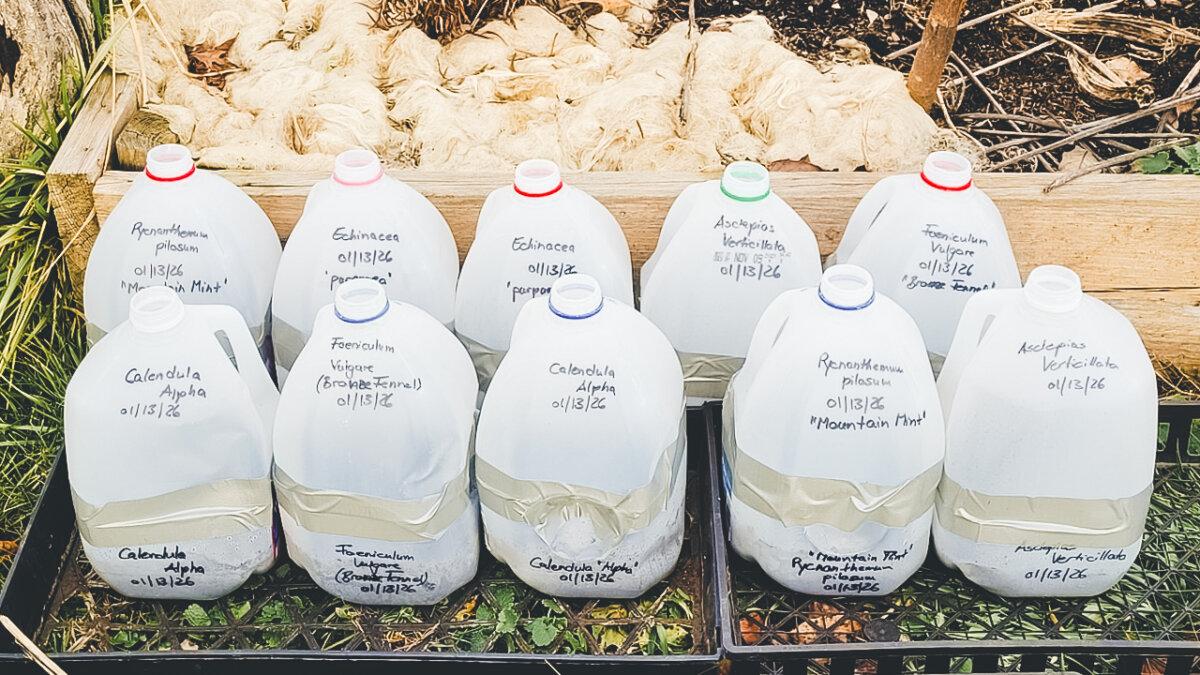
- Count seeds from each packet. Depending on the size of the seed, one milk jug can hold between 10 and 25 seeds. Plant only one type of seed per container.
After Sprouting
- When seedlings develop one to two sets of true leaves, remove the tape and open the container during sunny days.
- After three to five days of exposure with the lid open, seedlings are ready to transplant. Gently separate individual plants or cut dense plantings into sections like you would a brownie. The roots are very fragile during this stage, so be careful.
- Water thoroughly after transplanting.
Winter sowing brings joy to gardeners during the coldest months of the year. As the last snow melts and the soil thaws, your winter-sown seeds will awaken, ready to grow into strong, healthy plants. No matter the size of your garden, balcony, or windowsill, winter sowing offers an easy way to get a head start on the growing season—while also supporting mental and physical well-being.