When most people think of the immune system, they picture being bedridden with the latest seasonal virus. However, the immune system isn’t just triggered by foreign invaders.
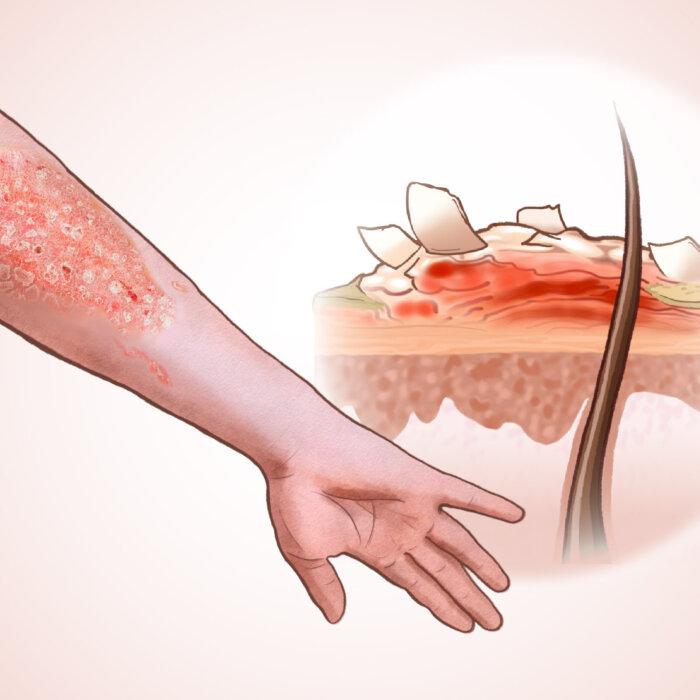
Our emotions play a key role in how our immune systems function and, in some cases, determine whether this coordinated defense system attacks our own cells, leading to autoimmune symptoms.
Why Stress Matters
Stress comes in many forms, and while it can be adaptive in short bursts, its effects on health depend largely on how we process it and how long it persists.Will Cole, a functional medicine physician who integrates the mind-body connection with autoimmune patients, has witnessed firsthand how stress can trigger autoimmunity.
“In my clinical experience, a history of emotional trauma or chronic stress is extremely common in people dealing with autoimmune issues. People often describe prolonged periods of emotional suppression, chronic overwhelm, or people-pleasing leading up to flare-ups. Major life transitions, unresolved grief, and relational conflict also tend to correlate with immune dysregulation in a noticeable way,” Cole told The Epoch Times.
When we’ve run on empty for too long or tragedy strikes, our bodies trigger a biological alarm. Our heart rates speed up, breathing quickens, and digestion shuts down.

The adrenal glands release adrenaline, noradrenaline, and cortisol into the circulatory system through a feedback loop involving the brain, nervous system, and endocrine organs.
What the Research Shows
Perpetual activation of the stress response takes a toll on overall health. Multiple lines of research have identified connections between emotional stress and immune dysfunction, though scientists are still working to understand the precise mechanisms.Additionally, histories of sexual abuse, physical neglect, and emotional neglect were particularly associated with a higher prevalence of autoimmune diseases, and a quarter of the associations were mediated by mental distress.
Cole stated that the research continually affirms that the mind and body are inseparable.
“Emotional stress directly influences immune signaling, inflammation, and healing capacity. I see the mind-body connection as a central component of autoimmune care—not an accessory—because addressing emotional health often becomes the turning point in a patient’s recovery.”
What to Do: The Power of Simple Action
There are a few small steps you can begin taking today to improve your emotional well-being and help prevent the effects of suppressed or prolonged stress on your immune system.Go for a Walk
Walking, a form of bilateral stimulation that encourages communication between the left and right brain hemispheres, can help you process traumatic memories and difficult emotions by stimulating your brain and nervous system. Walking for as little as 15 minutes can also reduce stress and feelings of negative emotions, lower cortisol levels, and boost our immune systems.Write About It
Research has found that writing about emotions and traumatic experiences helps improve long-term health outcomes. This approach is widely recommended to patients by therapists and medical professionals.Practice Mindfulness to Notice Your Body
Many psychotherapists, somatic practitioners, and medical providers note the importance of practicing mindfulness to increase awareness of our emotions and bodies and calm our nervous systems. The practice of mindfulness can quickly shift us from a stressed nervous system to a rested state.Focus on Building Resources and Safety
Start by taking small steps that bring you joy, comfort, or a sense of safety. If you enjoy a good book and a warm cup of coffee, try finding a small pocket of time in your day to read and relax, even if only for five minutes.Joy and playfulness are important components of nervous system regulation, especially when dealing with trauma and chronic stress. When you create space for enjoyment and rest, you’re no longer spending all your energy—you’re actively releasing stress and inducing beneficial, feel-good endorphins—silencing your alarm system and giving attackers space to retreat.
Understanding that our emotional lives play a significant role in our physical health is meant to empower us, not scare us. By acknowledging the mind-body connection, we can begin to heal ailments that may seem like mysteries, and finally attend to our bodies’ cries for help. We can implement new healing practices and prioritize our emotional well-being as an essential part of our overall health.