When Linda, 52, entered menopause, she expected hot flashes and sleep disturbances—but not persistent bloating, fatigue, and a sense that something deeper was off in her body. A gut microbiome analysis revealed one more issue: an overgrowth of harmful bacteria in her small intestine.
The Gut Microbiome: A Hidden Ecosystem With a Big Role
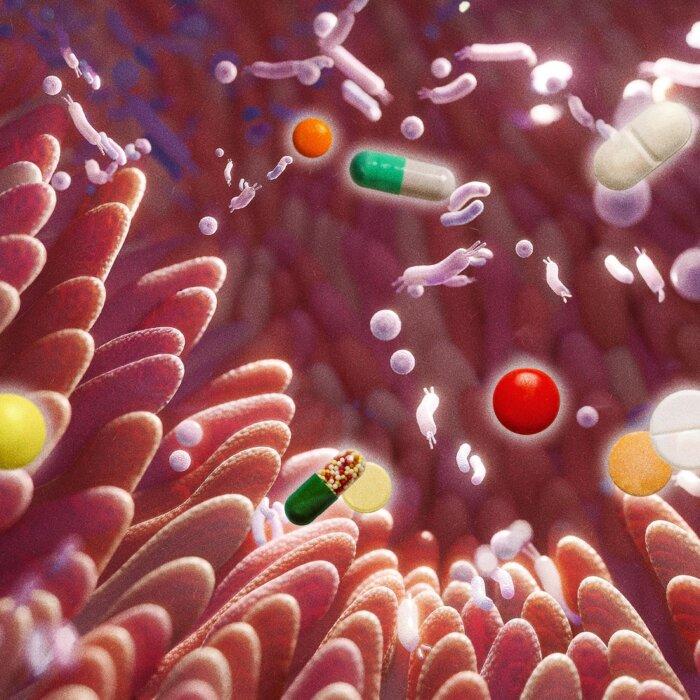
The gut is home to trillions of microbes—bacteria, fungi, and other organisms—that play a central role in digestion, nutrient absorption, immune function, and maintaining a healthy gut barrier.Over time, however, modern lifestyles chip away at this delicate ecosystem. Processed foods, preservatives, chlorinated water, emulsifiers, antibiotics, glyphosate, and stress can gradually erode microbial diversity.
One of the most notable shifts is the proliferation of Proteobacteria, organisms associated with fecal contamination and inflammation. “I call it ‘the fecalization of America,’” Davis said. “We’re seeing microbes that belong in the colon invade the small intestine, where they shouldn’t be.”
How Gut Microbes Influence Cancer Risk
“Cancer risk isn’t just about genes,” Davis said. “It’s also about the microbes living inside us.”The small intestine is designed for nutrient absorption. When fecal microbes overgrow in this region, they quickly die and release endotoxins into the bloodstream—a process called endotoxemia.
“Endotoxemia is like lighting a slow-burning fire inside the body,” Davis said. “It drives inflammation, accelerates aging, disrupts metabolism, and increases cancer risk.”
The Estrogen-Microbiome Connection
After menopause, while the body’s estrogen levels naturally drop, certain harmful gut microbes remain important because they produce an enzyme called beta-glucuronidase, which reactivates estrogen so it can continue to stimulate cancer growth.“A disrupted microbiome doesn’t just reflect your health—it actively shapes it,” Davis said. “When microbes deconjugate estrogen, they turn it into forms more likely to drive breast cancer.”
This is one reason breast cancer risk rises sharply after menopause. The challenge isn’t only lower hormone levels—it’s how the body metabolizes those hormones.
- Colorectal Cancer: Certain oral microbes, such as Fusobacterium nucleatum, can travel to the colon, where they promote tumor growth.
- Endometrial and Uterine Cancers: Disrupted estrogen metabolism can influence hormone-sensitive tissues.
- Systemic Inflammation: Endotoxemia can create an internal environment that supports tumor development in other organs.
Why Modern Life Damages the Gut
While advances in modern society offer comfort and convenience, they have inadvertently introduced dietary and environmental factors that promote harmful bacteria and disrupt gut health.Processed Diets
Ultra-processed foods—cookies, chips, soft drinks, frozen dinners—often contain emulsifiers such as polysorbate 80 and carboxymethyl cellulose. These compounds thin the gut’s protective mucus layer and shift the microbiome toward harmful bacteria, according to Davis.Many products also contain preservatives such as butylated hydroxytoluene or BHT, butylated hydroxyanisole or BHA, and sodium benzoate. These may keep food fresh, but they also act as antimicrobials in the gut, harming beneficial bacteria.
Toxins and Pharmaceuticals
Per- and polyfluoroalkyl substances, or PFAS, the so-called forever chemicals found in nonstick cookware and waterproof products, persist in the body and disrupt hormonal balance.Restoring Balance: A Gut-1st Prevention Strategy
While conventional cancer prevention focuses on screening and treatment, Davis said that gut health is a powerful, underutilized tool for prevention.1. Reintroduce Beneficial Bacteria
Beneficial microbes such as Lactobacillus reuteri and Lactobacillus gasseri are naturally found in the human gut but can also be replenished through specific foods, supplements, and probiotic formulations. These strains are often included in targeted probiotic capsules or powders, and small amounts can be found in fermented foods such as yogurt, kefir, sauerkraut, and certain cultured dairy products.2. Feed the Good Microbes
Prebiotic fibers such as inulin, fructooligosaccharides, galactooligosaccharides, and pectin nourish beneficial microbes and strengthen the gut barrier.3. Reduce Microbiome Disruptors
Cutting out preservatives, emulsifiers, ultra-processed foods, and environmental toxins such as glyphosate can give the gut ecosystem room to recover. “These modern exposures have slowly dismantled our internal ecosystem,” Davis said. “Cleaning them up is a crucial step.”4. Strengthen the Gut Barrier
A healthy mucosal layer protects against endotoxemia. Hyaluronic acid—found in animal skin and organ meats, or taken as a supplement—can help restore this barrier, along with beneficial microbes such as Akkermansia muciniphila.Practical 1st Steps
There are several steps people can take to rebuild the microbiome and reinforce its protective barrier:- Eat a diverse, fiber-rich diet with minimal processing.
- Include fermented foods or targeted probiotic strains. Lactobacillus gasseri has been shown to alleviate hot flashes and night sweats—common menopausal symptoms.
- Make “SIBO yogurt” at home with full-fat dairy or coconut milk to boost beneficial bacteria. Davis noted that in his clinical experience, daily use can resolve SIBO in up to 90 percent of cases within four weeks.
- Support the gut barrier with hyaluronic acid, collagen-rich foods such as bone broth, slow-cooked meats, bone marrow, or supplements.
- Maintain good oral health to prevent harmful bacteria from migrating to the gut.
- Avoid unnecessary antibiotics and microbiome-disrupting additives.
A New Lens on Cancer Prevention
Conventional oncology typically intervenes after cancer develops. Davis argued that addressing gut dysbiosis early can be a powerful form of prevention.“If all we do is wait for cancer to show up and then treat it with surgery, radiation, or chemotherapy, we’ve already lost half the battle,” he said. “The microbiome is a missing piece in cancer prevention.”
He emphasized the connection between oral health and cancer. Oral pathogens such as Fusobacterium can migrate to the gut and contribute to inflammation. “We need to stop thinking of the body in silos,” he said. “The mouth, the gut, hormones, and the immune system are all connected.”
For Linda, restoring her gut health was transformative. Her bloating eased, her energy returned, and her inflammatory markers improved.
“Your gut isn’t just about digestion,” Davis said. “It’s your first line of defense. When you nurture it, you may be protecting yourself against cancer, too.”