Keiko Kono hopes to see a future in which people are essentially healthy until the day they die.
She believes that her recent research—which shows that damage to the cell membrane promotes cell aging—could serve as a blueprint for scientists worldwide to find a way to achieve this.
Membrane Damage Switches Cell Fate
“I discovered a new trigger of cell aging,” Ms. Kono, an assistant professor of membranology at Japan’s Okinawa Institute of Science and Technology, told The Epoch Times, describing the culmination of her 10 years of research. She hopes the discovery will prompt additional research and future drugs that help prevent membrane damage.Until now, mechanical damage to the cell membrane was believed to trigger two simple cellular outcomes: recovery or death. In Ms. Kono’s study, researchers uncovered a third outcome—cellular senescence, or cell aging.
“Initially, I wasn’t aiming to address the question of aging or anything. I was just wanting to answer a very fundamental question: how our cells can repair membrane damage,” Ms. Kono said. “We ended up discovering that cell membrane damage, in a sense, switches cell fate.”
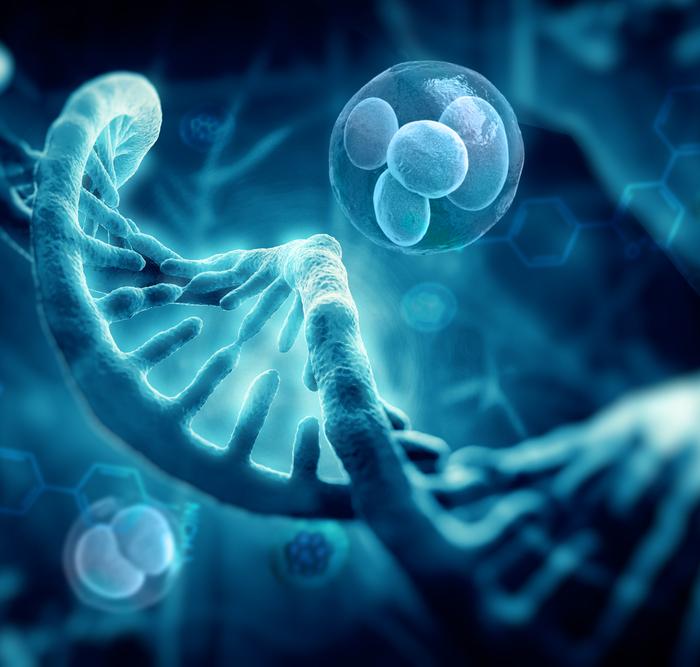
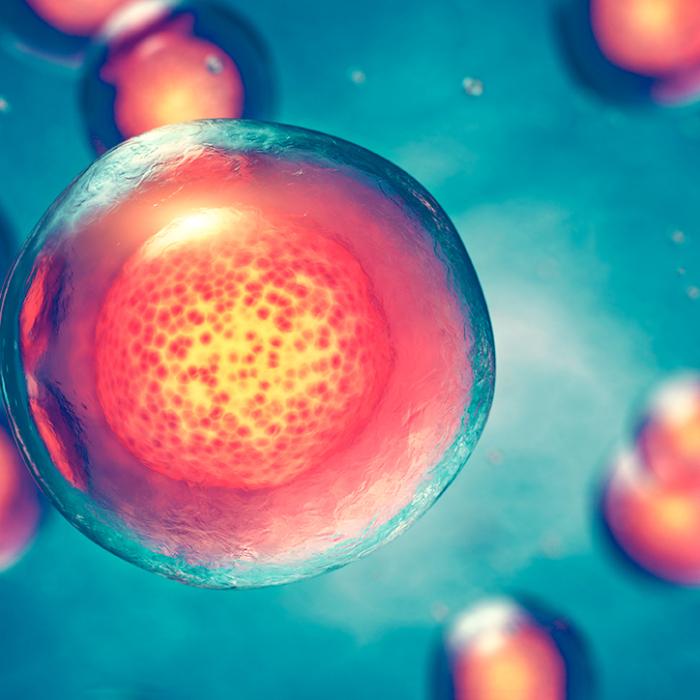
Ms. Kono and her colleagues used budding yeast and normal human fibroblasts, or fibrous cellular material that supports and connects other tissues or organs.
She said the key to determining cell fate is the extent of damage and subsequent calcium ion influx, which may control cell excitability, neurotransmitter release, or gene transcription.
Cellular senescence is involved in processes everywhere in the body, including wound repair, cell division, and cell growth. But prolonged senescence can be maladaptive and lead to cancer, DNA damage, changes in how genes work, and age-related diseases.
Can AI Detect Senescent Cells?
The study of senescent cells is not new.According to Ms. Kono, each discovery adds tools to researchers’ ultimate fight against aging. “Science is like building a pyramid. We are just putting a block at the bottom,” she said. “So that’s what I’m doing, and the other scientists in this world, anywhere in this world, will read it and put another block, and the pyramid will go higher and higher, and somebody will build the drug that will contribute to longevity and health. That’s what I’m hoping for.”
Researchers said that although vast strides have produced promising results in senescence research, scientists have been hampered by a lack of reliable ways to determine senescence. In their study, the researchers used nuclear morphology features of senescent cells to devise machine-learning classifiers that they claimed accurately predict senescence induced by diverse stressors in different cell types and tissues.
They reported using senescence “classifiers” to either characterize drugs that kill senescent cells, called senolytics, or screen for drugs that selectively induce senescence in cancer cells but not normal cells.
“Virtually all cell types can be made to enter a senescent state,” the authors said in the statement, noting, however, that what senescence looks like at a cellular level and how it can be reliably identified across thousands of cell types has been far from easy to determine.
But with recent advances in machine learning and AI, researchers at the LMS found they could analyze hallmarks of senescence to confirm the presence of senescent cells. They have also shown that their algorithms can be adapted to work in lab-grown cells for research and tissue samples obtained from mouse livers and patients with fatty liver disease.
Scientists worldwide have targeted senescent cells in both anti-cancer and anti-aging treatments. “Preliminary experiments in animal models have shown that the lifespans and healthspan of animals are increased when subjects are treated with so-called ‘senolytic’ drugs that attack and kill senescent cells,” researchers wrote in the statement.
Slowing Cell Aging
Ms. Kono said finding ways to live longer and healthier will likely happen sooner than later.“Usually, this kind of thing happens within 30 or 40 years, but aging research is quite extremely accelerated recently,” she said. “So many smart people are working on it. So I’m really hoping, like, in 10 years or 15 years, we might be able to develop some drug or supplemental something that will really implement extension of healthy lives in humans on Earth in this real world.”
Ms. Kono said that although human beings will still die, we have a lot to hope for while we’re living—for instance, not suffering from incurable, painful diseases until death.
“We can hope for healthy longevity. This research will not extend your lifespan to 400, 500 years old. This is not the direction of our research. The direction of our research is you will be healthy until the end of your life,” she said.
Ms. Kono likened the outcome to stories that people hear about an old person just feeling “a bit sleepy” and going to lie down. A while later, their spouse comes into the room to find they have passed on, quietly and comfortably.
There are many mechanisms involved in why the naked mole-rat lives so long and stays in good health, Ms. Kono said, and she intends to find out more.
“One thing is they have a more robust DNA repair mechanism. Another thing, their senescent or aging cells are not accumulated in their bodies,” she said.
She speculates further that their cells may have more cushioning and sustain less damage.
The initial direction of research was headed toward killing senescent cells, Ms. Kono said, but that could cause side effects. Instead, she hopes to focus on preventing mechanical damage, thus slowing the production of senescent cells. “Then you can maintain your health longer. Ultimately, that’s the direction I’m going,” she said.