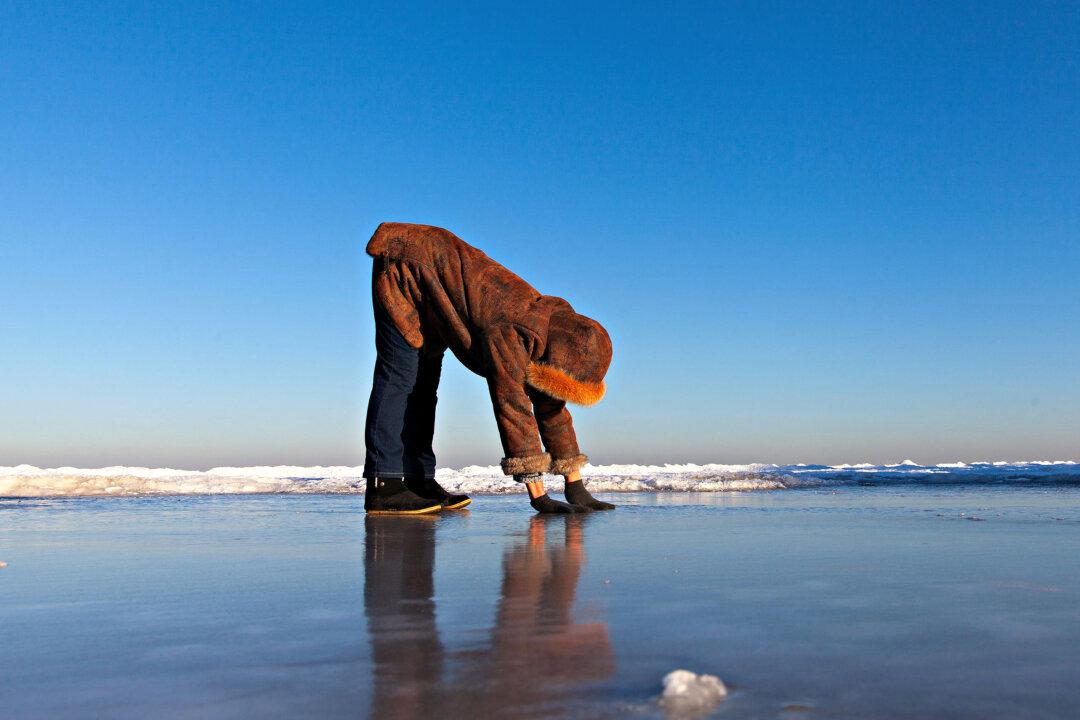
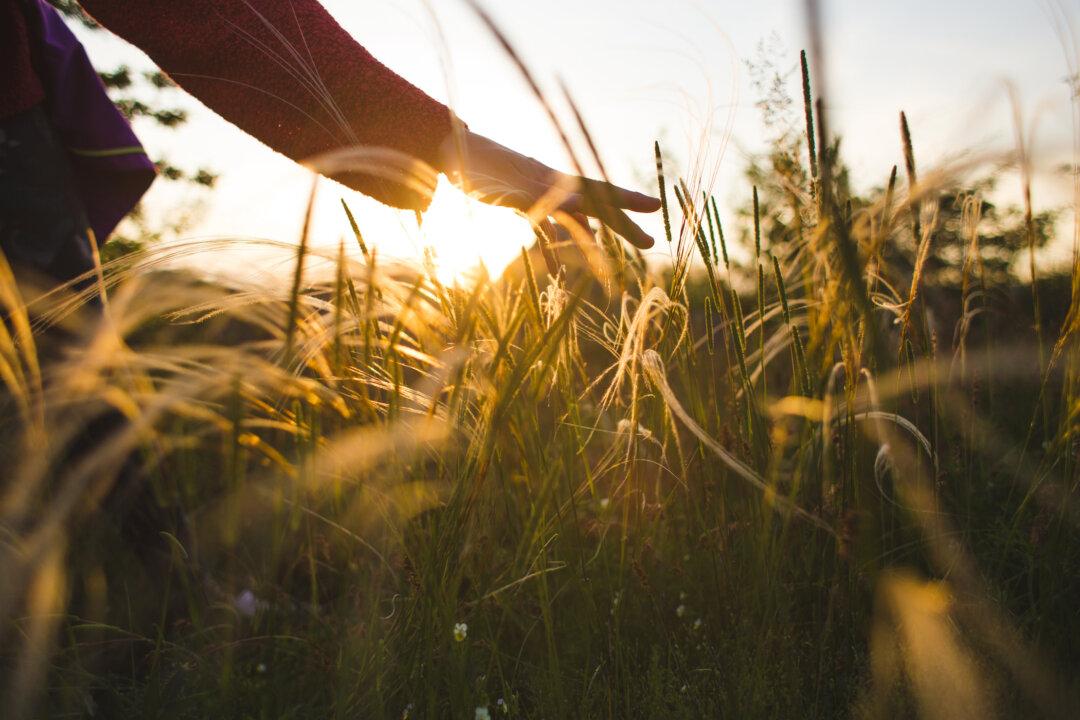
In my spare time, I like to take pictures. Not just any pictures, but mostly outdoor scenes from nature and awe-inspiring landscapes. When I travel, I’m armed with a tripod, lenses, and a bag full of gear, and constantly scope out the most scenic settings to capture.
I am also somewhat of a bird nerd, although I’ve gotten a little rusty over the past few years. My binoculars are always handy, and I’m excited to add a new bird to my life list, especially when I’m traveling. I’m also perfectly content to spot the first kinglets to pass through my state in the spring or to note the day when the red-winged blackbirds return to the marsh.
These are my hobbies, even though I don’t particularly like the word hobby. It sounds like it’s describing something inconsequential that you do to fritter away your time. The origin of the word “hobby” comes from the term for a farm horse that your ride at your leisure; or hobbyhorse, which is a small wooden toy horse large enough only for children to ride. So not just inconsequential, the word hobby almost sounds childish.
I actually prefer avocation, which is similar to a hobby as something you do during your free time. It’s a word that’s used in contrast to having a vocation, which describes the work you’re called to do to make a living. The two words seem to be opposites at first—as in work or not work. However, they both suggest a calling, having a deeper meaning or even being a part of your identity, except one is your livelihood and the other is not. That said, avocation is a little too fancy when talking about leisure time, so I’ll stick with hobby.
Having a hobby is important. It’s actually good for your physical and mental health. Those hobbies that involve movement, such as keeping a garden, hiking, yoga, or a favorite sport are a great way to keep in shape. In fact, research has documented that a physically active hobby can lower your blood pressure, heart rate, waist circumference, and BMI (a measure of your body mass).
However, the effects of a hobby on your mental health and well-being are even more far-reaching. Here are a few things to know.
The bottom line is that while the word hobby feels small, it actually describes something that can make your world larger.
A hobby helps to relieve stress, improve your health, stretch your imagination, broaden your social connections, and improve the overall quality of your life.
So if you’re already engaged in or thinking about taking up bread baking, ballroom dancing, herb gardening, oil painting, or any other new hobby, good for you!