The body clears medicines within hours to weeks. However, a recent study suggests that drugs you took years ago may continue to affect your gut—and the more frequently and the longer they’re used, the greater their effect.
This holds true not only for antibiotics but also for drugs used to manage high blood pressure, anxiety, and stomach hyperacidity.
Your Gut Remembers
The findings extend far beyond antibiotics, which doctors already know disrupt gut bacteria. The study showed that even medications targeting human cells—including antidepressants, beta-blockers, acid reflux medicines such as omeprazole, benzodiazepines, and metformin—reshaped the gut microbial composition.“We often think of medications as acting only on human cells, but they also interact with the gut ecosystem—the microbes, the intestinal barrier, and the immune system,” Siedman said.
The study found that many drugs left lasting effects on the gut, still visible more than three years after people stopped taking them. To test whether the drugs themselves were responsible, the researchers tracked a smaller subgroup over time. In this group, starting a drug caused predictable gut shifts, and stopping it often reversed them, supporting a causal link.
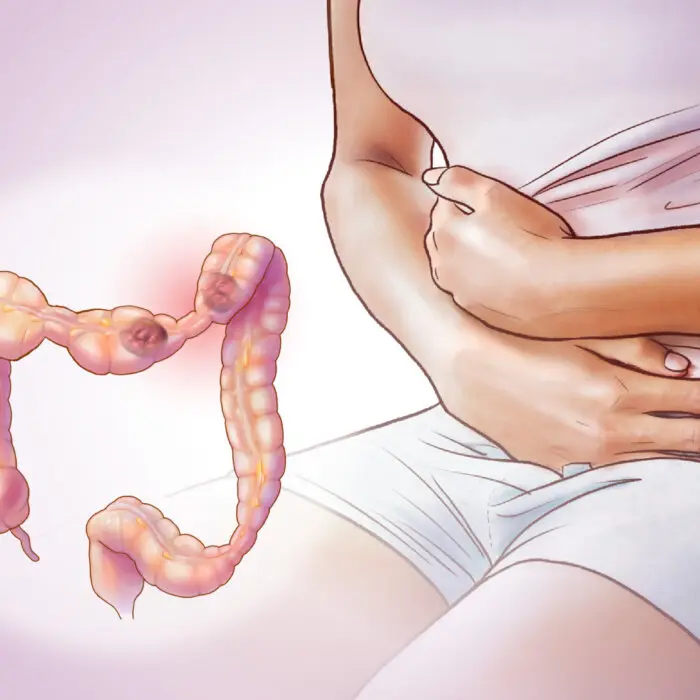
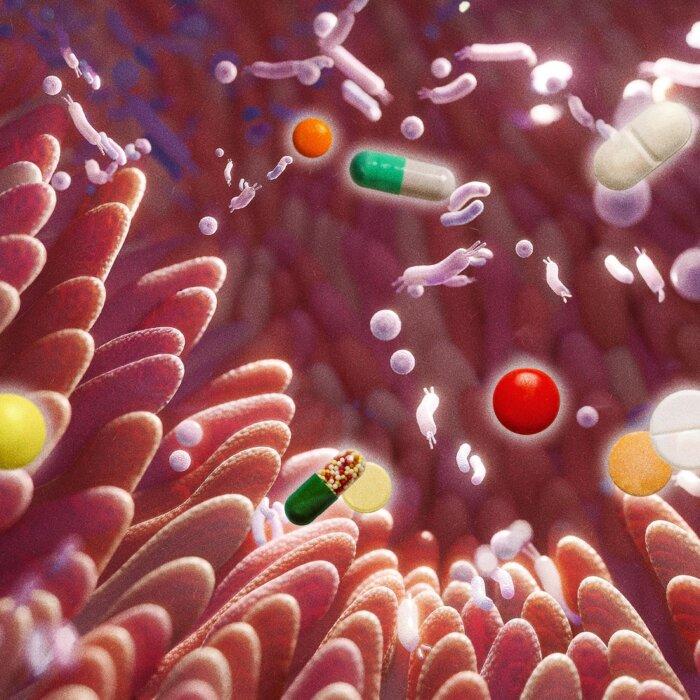
Gut Microbes Affected
A common bacterial type that increases with drug exposure, such as antidepressants and beta-blockers, is the Clostridium family. Some of these bacterial species are linked to rare cases of infections in humans.Benzodiazepines are linked to increases in Dorea formicigenerans and Ruminococcus torques. Dorea formicigenerans are linked with obesity and metabolic syndrome in some human studies, though they can also produce beneficial metabolites. Ruminococcus torques is a bacterium that breaks down the mucus in the gut lining and is linked to gut conditions such as Crohn’s disease, irritable bowel syndrome, and metabolic disorders when present in abundance.
Drugs used for the same condition didn’t always affect the gut in the same way. For instance, within benzodiazepines, alprazolam (Xanax) led to a greater loss of gut microbial diversity than diazepam (Valium).
Proton pump inhibitors are linked to increased levels of oral bacteria such as Streptococcus parasanguinis and Veillonella parvula, both linked to periodontal disease and dental cavities.
Perhaps most striking was the cumulative nature of these changes. People with a history of antibiotic use never fully regained the same gut diversity as those who had never taken them, regardless of how long ago their last course was prescribed.
How Drugs Affect the Gut Microbiome
There are several mechanisms by which medications might affect gut bacteria.Drugs can slow or stop the growth of some gut bacteria while letting others thrive, shifting the microbiome’s balance. Some directly kill or suppress beneficial microbes, while others alter stomach acid, influence immune responses, or weaken the gut lining.
Antidepressants can disrupt how gut bacteria make and use energy, sometimes killing them directly. Nonsteroidal anti-inflammatory drugs can irritate the gut lining, making it leakier and more inflamed, which changes which microbes can thrive.
Beneficial microbes make short-chain fatty acids that help calm inflammation. Elimination of these microbes can lead to gut inflammation and breakdown of the gut barrier as short-chain fatty acid levels drop.
Gut inflammation and breakdown of the gut barrier can contribute to metabolic problems such as fatty liver, insulin resistance, and possibly higher cardiovascular risk.
Microbes can bounce back after a person stops taking a drug, especially if the gut was diverse to begin with or if the diet supports regrowth. Although some may vanish completely if wiped out and not replenished.
Babies are highly vulnerable to gut microbial changes.
Recovery Is Personal
While drugs affect the gut in predictable ways, the extent varies widely.“Diet is the strongest driver of microbiome health and resilience. What we eat shapes microbial diversity, fiber fermentation, and bile acid production, all of which interact with drugs,” Siedman said.
A high-fiber diet helps restore balance after antibiotic use, while a low-fiber diet can weaken the gut barrier and fuel inflammation, slowing microbiome recovery. Gut inflammation can also change how quickly drugs are absorbed, and shifts in bile acids can alter how fat-soluble drugs are processed.
A person’s baseline microbiome composition is another key factor.
How to Protect Your Gut
For patients who require ongoing medication, Siedman suggested practical ways to build resilience and support the gut ecosystem:- Focus on Fiber Diversity: Eat a variety of whole grains, legumes, fruits, and vegetables to promote microbial diversity and support recovery.
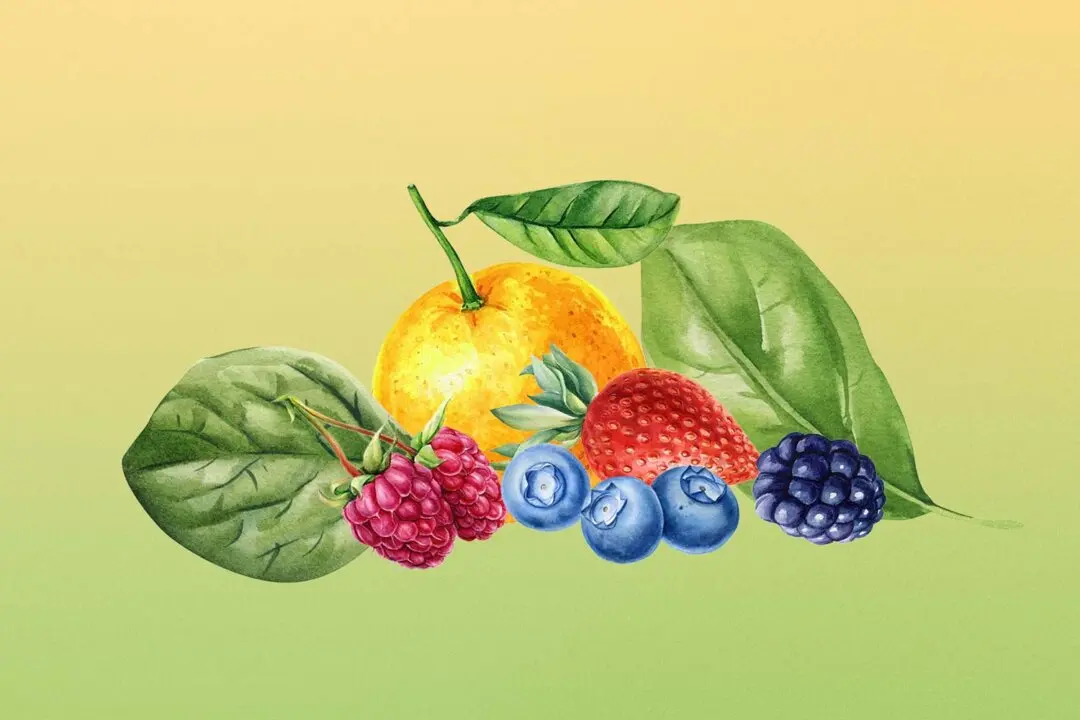
- Add Polyphenol-Rich Foods: Eat berries, drink green tea, and include cocoa to help feed beneficial bacteria and reduce inflammation.
- Include Fermented Foods: Eat yogurt, drink kefir, and include sauerkraut and kimchi in your diet to add live microbes and compounds that nurture a healthy gut ecosystem.
- Take Targeted Supplements: Use certain probiotics to support microbial balance. Add prebiotics (fiber that feeds good bacteria) and postbiotics (beneficial compounds produced by microbes) to strengthen the gut barrier and modulate inflammation.