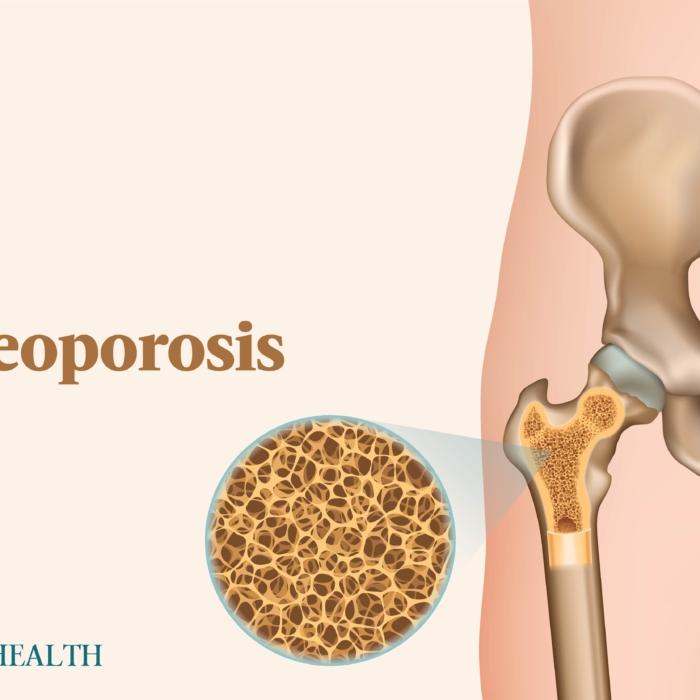
Osteoporosis is a systemic condition characterized by reduced bone mass and structural deterioration of bone microarchitecture, resulting in increased bone fragility and risk of fractures.
Signs and Symptoms
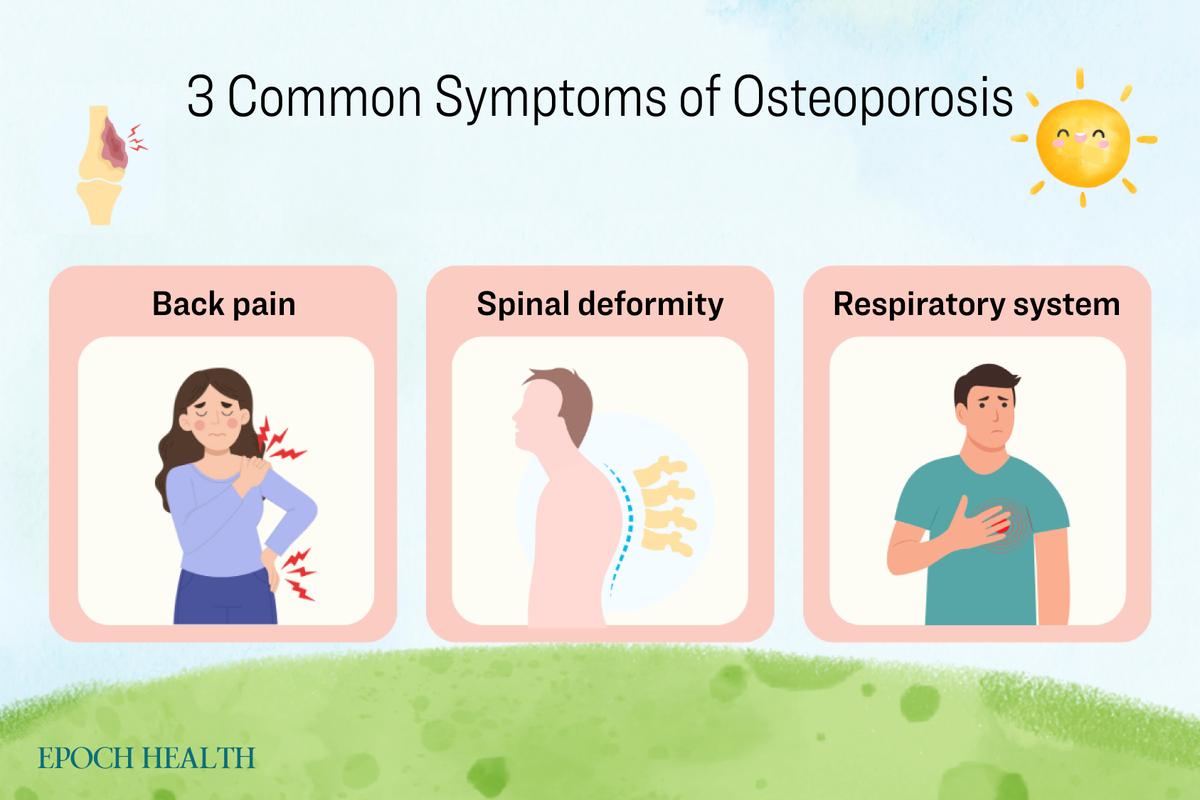
The clinical symptoms of osteoporosis primarily manifest as back pain, spinal deformity, and respiratory system issues, described as follows:- Back pain: Chronic lower back pain that tends to intensify when maintaining a fixed posture for an extended period, such as prolonged sitting or standing.
- Spinal deformity: Osteoporosis can lead to spinal deformity and reduced structural support. Vertebral compression can exacerbate kyphosis and shorten the distance between the rib cage and iliac crest, resulting in a hunched back. This symptom is characterized by an inability to lie flat and shortened spinal stature.
- Respiratory system issues: A deformed spine can cause the ribcage to press against the heart and lungs, resulting in symptoms such as chest tightness, shortness of breath, and respiratory difficulties. In severe cases, this can lead to pulmonary emphysema.
Common Complications
Osteoporosis can often result in the following two complications:- Vertebral fractures: Often occurring during indoor daily activities such as twisting the body, lifting objects, or opening windows without obvious external force, these fractures most commonly affect the 11th and 12th thoracic vertebrae and the first and second lumbar vertebrae.
- Nonvertebral fractures: Individuals with a history of falls often sustain fractures in areas like the distal radius and hip.
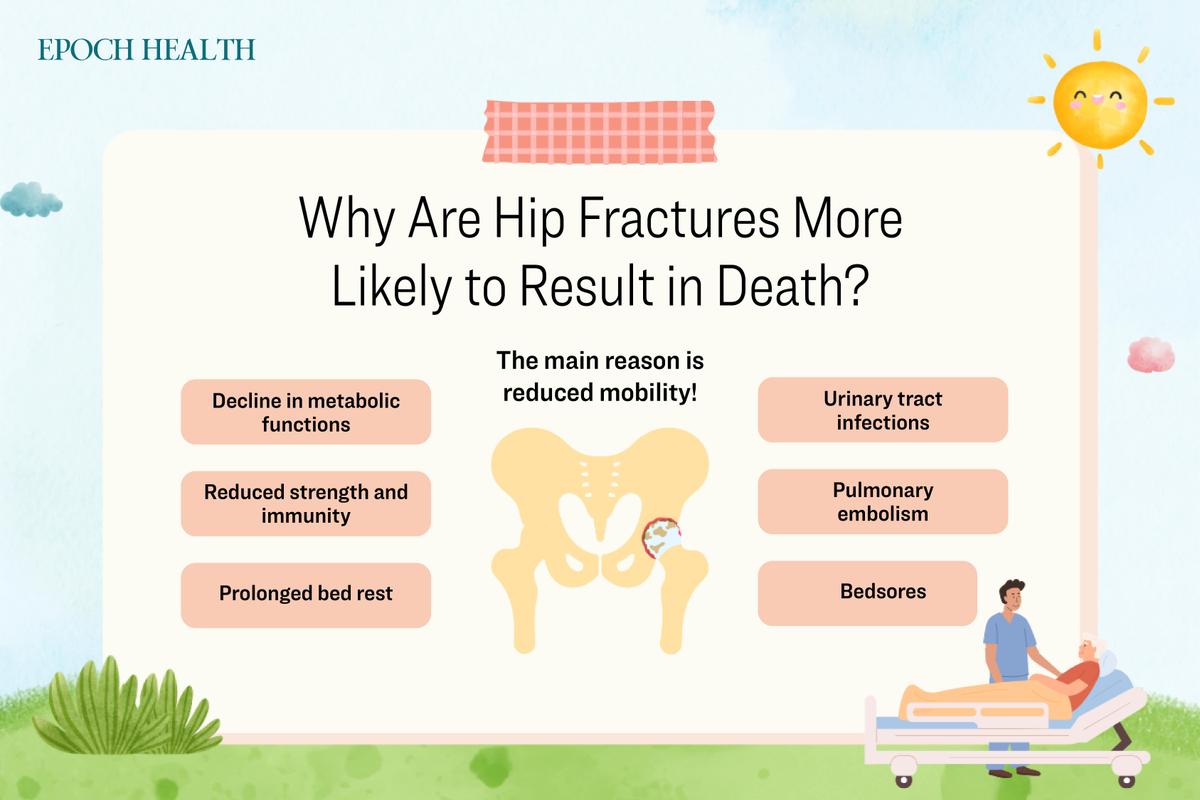
As hip joint pain results in reduced mobility, patients become less physically active, experience a decline in metabolic functions, and quickly lose physical strength and immunity. Many patients require prolonged bed rest, which, in turn, can lead to issues such as bedsores, urinary tract infections, and even life-threatening conditions like pulmonary embolism.
Types of Osteoporosis
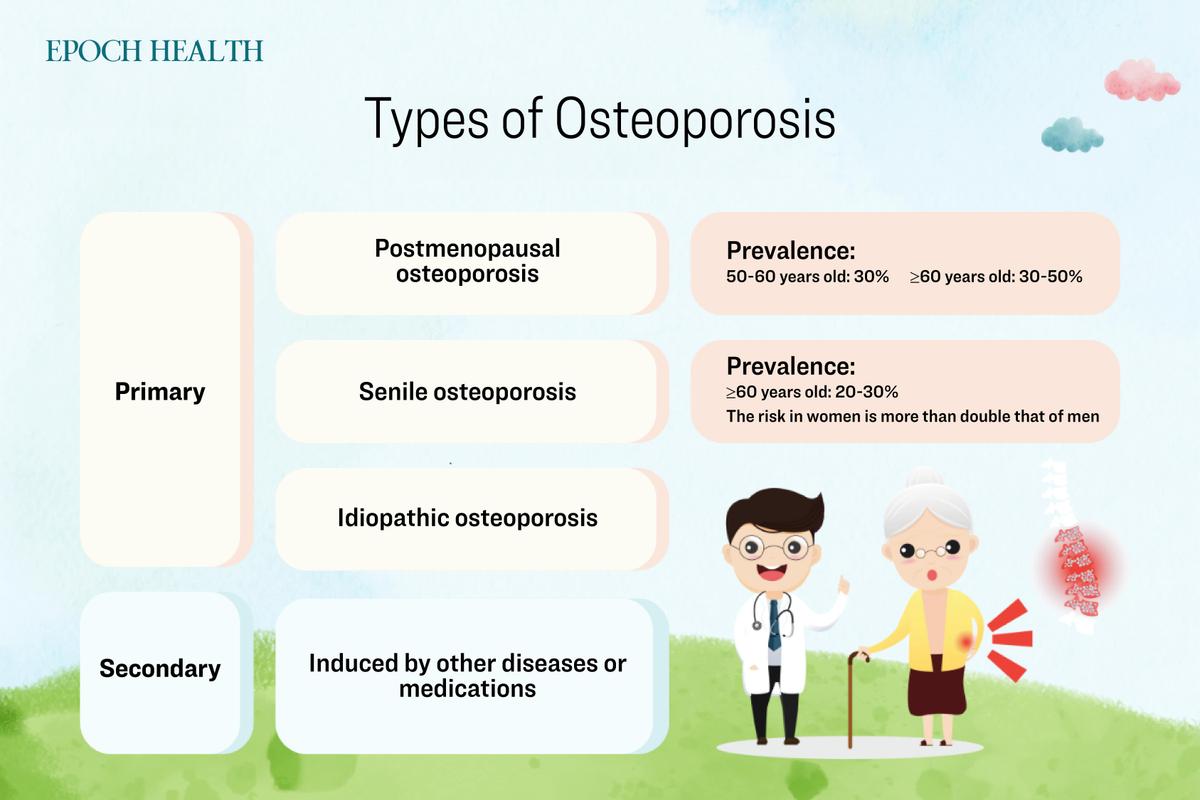
Osteoporosis is classified into two main categories: primary and secondary.Primary osteoporosis is further subdivided into postmenopausal osteoporosis (Type 1), senile osteoporosis (Type 2), and idiopathic osteoporosis (including juvenile-onset).

Osteoporosis induced by various factors, such as other diseases or medications, is referred to as secondary osteoporosis.
Clinically, the most common types are postmenopausal osteoporosis (Type 1) and senile osteoporosis (Type 2).
Diagnosis Criteria for Osteoporosis
Bone Mass Measurement (BMD)
Dual-energy X-ray absorptiometry (DXA) is a clinical tool in radiology that uses dual-energy X-ray technology to diagnose osteoporosis. It is currently the most precise method for measuring bone mass. Common measurement sites in clinical practice include the first to fourth lumbar vertebrae, the femoral neck, and the entire hip bone.DXA Measurements
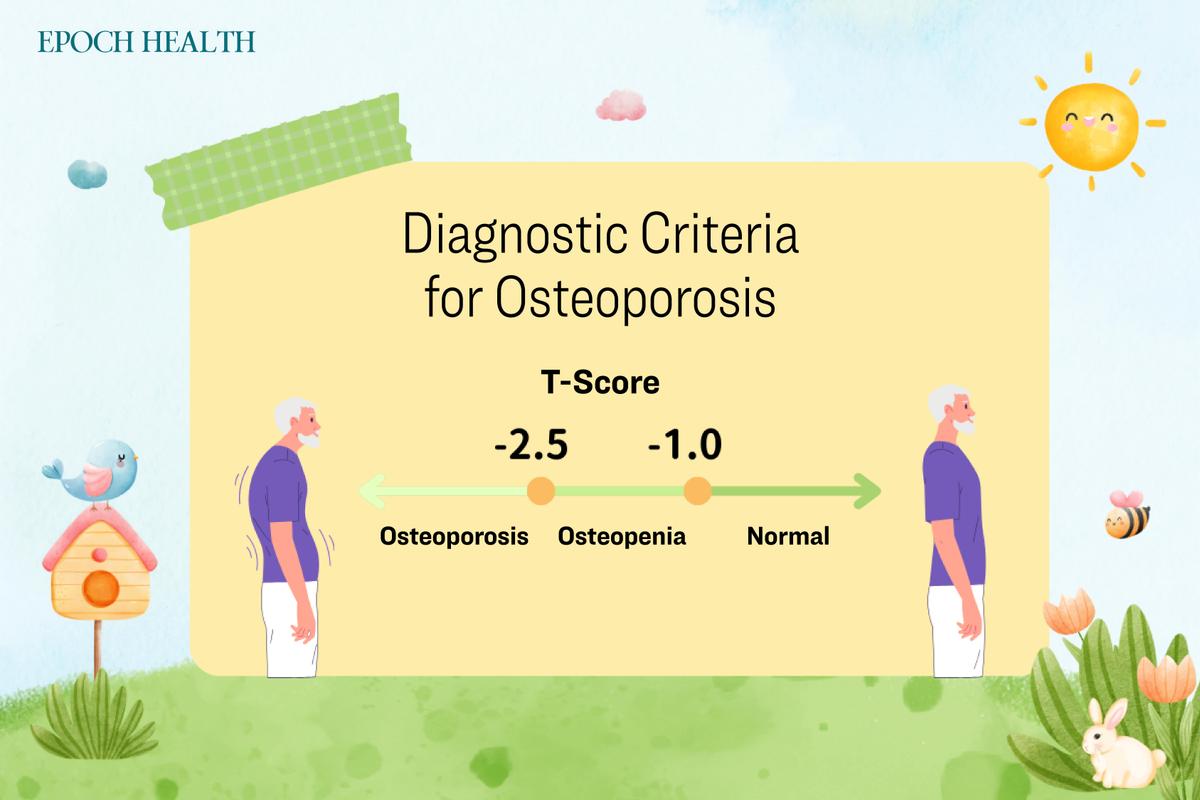
- A BMD value less than 1 standard deviation below the peak bone mass of healthy adults of the same gender and ethnicity is considered normal.
- A decrease of 1 to 2.5 standard deviations indicates low bone mass (osteopenia).
- A decrease of 2.5 standard deviations or more is indicative of osteoporosis.
- Severe osteoporosis is diagnosed when BMD reduction meets the criteria for the condition and is accompanied by one or more fractures.
Risk Factors for Osteoporosis
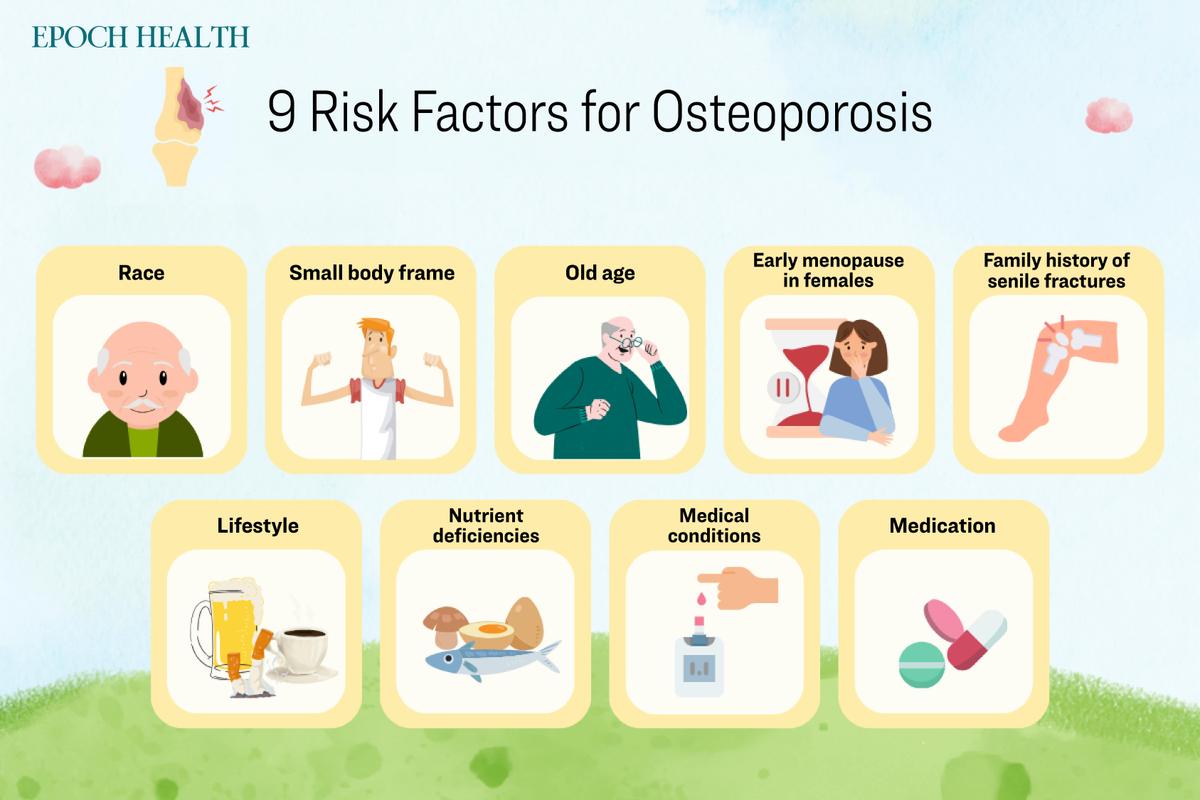
The risk factors include both unmodifiable and modifiable factors, including:- Race: White and Asian populations are more prone to osteoporosis.
- Genetics and age: Older people with small body frames, women who experience early menopause (before the age of 40), and those with a family history of senile fractures are more at risk.
- Lifestyle: Smoking, excessive alcohol consumption, high coffee and tea intake, improper dieting for weight loss, extremely low-calorie or high-protein diets, and lack of physical activity increase risk.
- Nutrition: Excessive or inadequate protein intake, high-sodium diet, and deficiencies in calcium and/or vitamin D (due to limited sunlight exposure or intake) put one more at risk.
- Medical conditions: Hypogonadism (deficient sex hormones), chronic gastrointestinal disorders, chronic liver and kidney dysfunction, diabetes, hyperthyroidism, and individuals who have undergone ovarian, uterine, or gastrointestinal surgery are more at risk of osteoporosis.
- Medication: The use of glucocorticoids, anti-epileptic drugs, thyroid hormones, and methotrexate, which affect bone metabolism, increases one’s risk. A study found that 30 percent to 50 percent of patients who take glucocorticoids long-term experience fractures.
Fundamental Pathophysiology of Osteoporosis
The fundamental pathophysiology of osteoporosis involves disrupted bone metabolism, with a decrease in the number and activity of bone-forming cells (osteoblasts) and an increase in the number and excessive activity of bone-resorbing cells (osteoclasts).According to traditional Chinese medicine (TCM), osteoporosis is associated with a decline in the body’s energy (qi) and blood circulation, as well as the functioning of internal organs. In TCM, it is believed that the continuous circulation of the body’s energy, known as qi, facilitates blood flow. A decrease in qi and blood can disrupt local microcirculation, hindering proper bone nourishment. Additionally, individuals with osteoporosis tend to experience local imbalances in tendons and bones, muscle atrophy, and reduced bone stimulation, all of which contribute to a decrease in the number and functionality of bone cells.
TCM’s Etiology and Pathogenesis of Osteoporosis
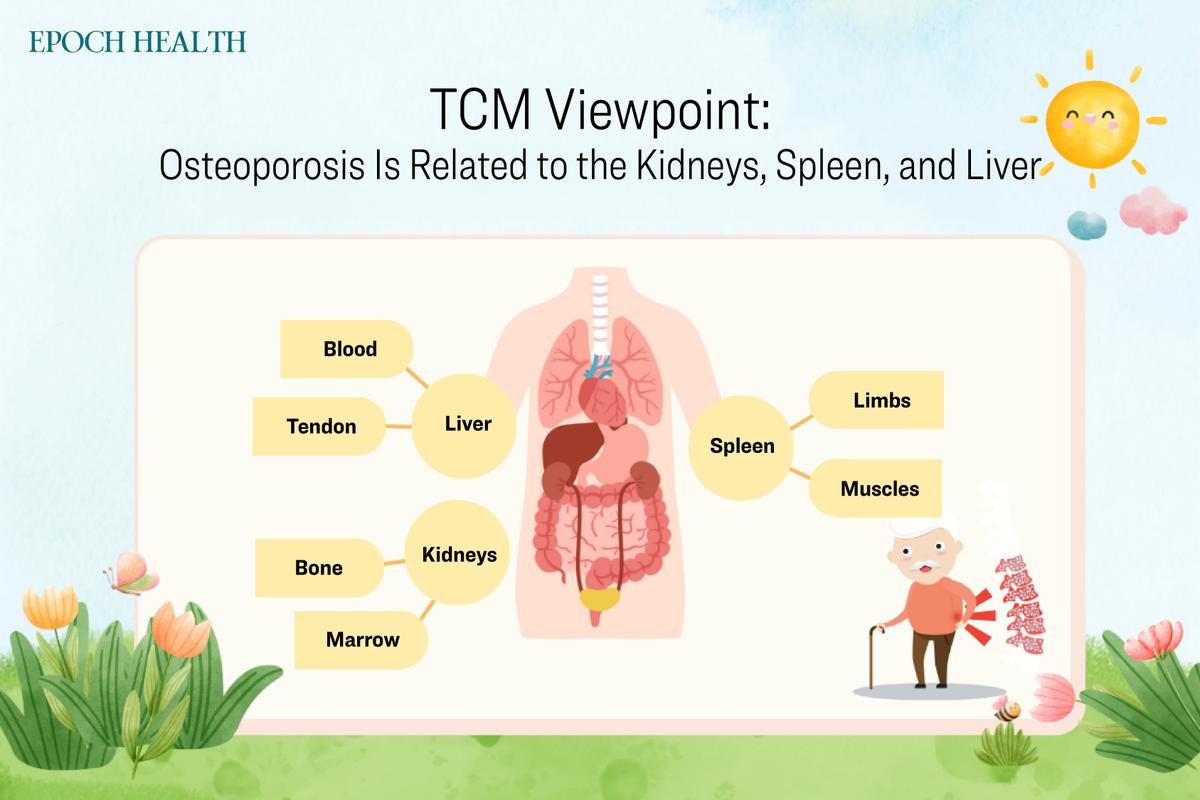
In TCM, osteoporosis is categorized under the concepts of “bone impediment” and “bone wilting.” It is believed to be closely related to the kidneys, with certain connections to the liver and spleen.The TCM’s zangfu “solid/hollow” organ theory posits that the human body has five major organs: the liver, heart, spleen, lungs, and kidneys. Each represents a distinct energy system, and the energy within these circulates throughout the body via meridians.
The kidneys are considered the congenital foundation, governing bone health and marrow production. Kidney essence is crucial in bone growth, development, maturation, strengthening, and weakening. Older patients with depleted “Tian Gui” (hormonal essence) may have experienced prolonged illnesses, been excessively sexually active, or have an inherent constitutional deficiency. Thus, their kidney essence may be depleted, leading to inadequate bone nourishment. Consequently, this leads to bone and marrow depletion, insufficient nutrition of the meridians, and an imbalance in qi and blood, resulting in symptoms such as lower back pain, weakness, and discomfort.
On the other hand, the spleen governs the digestive system and serves as the foundation of the acquired constitution. It also regulates the muscles and limbs. The essence derived from the congenital constitution relies on the continuous transformation and transportation of food essence by the spleen and stomach. Dietary imbalance, irregular eating patterns, or prolonged illness with limited physical activity can lead to compromised spleen qi. Consequently, the spleen loses its ability to transform and transport adequately, resulting in a deficiency of qi and blood. This deficiency affects the generation of marrow and results in bone depletion, muscle weakness, and meridian imbalance. All of these factors contribute to the development of osteoporosis.
In TCM, it is also believed that the “liver is the congenital foundation for women,” suggesting that women’s health predominantly relies on the liver’s energy system. The liver stores blood and governs the tendons. A deficiency in liver blood can result in a lack of nourishment for the tendons and meridians. Additionally, older women with osteoporosis often exhibit symptoms of liver qi stagnation, further establishing a connection between osteoporosis and the liver.
Key Approaches to Treating Osteoporosis
In TCM, osteoporosis is seen as a result of overall qi and blood deficiency and weaknesses in organ function, which lead to an imbalance in bone metabolism. Therefore, the treatment should not be limited to calcium supplementation and the regulation of bone metabolism; it should consider the holistic factors at play. The underlying pathophysiology of osteoporosis often involves deficiencies in both qi and blood, with kidney essence deficiency as the root cause. Hence, the primary therapeutic approach is to replenish kidney essence. In addition to using kidney-tonifying formulas like Zuo Gui Wan and You Gui Wan as the foundation for kidney essence replenishment, formulas like Sheng Yu Decoction can tonify qi and blood and promote blood circulation, ultimately achieving balance in the tendons and bones.Numerous experiments and clinical studies have confirmed the effectiveness of such an approach in regulating bone metabolism, enhancing osteoblast activity, and suppressing the number of osteoclasts.
TCM’s Syndrome Differentiation and Treatment
Due to differences in individual constitutions, the same symptoms may have various underlying causes. Osteoporosis often presents with the following several syndrome patterns:1. Kidney Yang Deficiency
Symptom characteristics: back and knee “cold” pain, reduced flexibility, cold extremities, limb weakness, dizziness, blurred vision, fatigue, frequent clear urination, urinary difficulties, loose stools, a pale and swollen tongue with a thin coating, and a deep, weak, and fine pulse.2. Kidney Yin Deficiency
Symptom characteristics: lower back and lumbar pain, persistent discomfort, slow movements, weakness in the lower limbs, dizziness, tinnitus, insomnia with vivid dreams, hair loss, loose teeth, night sweats, sensation of internal heat, dry throat and red cheeks, reduced urination, dry stools, body wasting, red tongue with little moisture, and a thin, rapid pulse.3. Spleen Blood Deficiency
Symptom characteristics: generalized pain, fatigue, physical weakness, dull complexion, dizziness, poor appetite, abdominal bloating, loose stools, pale tongue, and a weak pulse.4. Qi Stagnation and Blood Stasis
Symptom characteristics: pain in the joints and bones throughout the body, worsening at night, lower back and lumbar discomfort, leading to a bent posture and limited mobility, joint deformities, dusky complexion, dark tongue with black spots, and a deep, choppy pulse.Before taking any Chinese herbal medicine, it is essential to seek a diagnosis from a TCM practitioner. Self-administration is not advisable.