Increased life expectancy and changes in age structure will drive the number of global prostate cases from 1.4 million to 2.9 million by 2040, according to a new report published in The Lancet.
Unfortunately, the panel noted that neither lifestyle change nor public health interventions are enough to reverse the trend. However, new approaches and standardized testing for early detection could help reduce the projected increase.
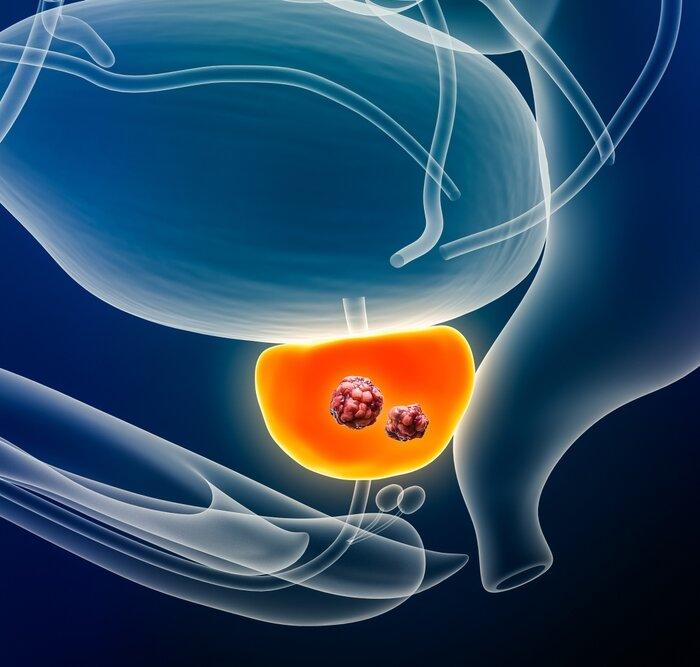
Prostate cancer is the most common cancer in men in 112 countries and accounts for 15 percent of all cancers, the panel reported. In 2020, prostate cancer was the fifth leading cause of cancer death among men.
Early Detection Can Make All the Difference in Mortality
Treating cancer depends on the stage in which it was discovered. As such, the commission noted that proper and timely diagnosis is paramount. In many high-income countries, like the United States and the United Kingdom, informed choice-based, prostate-specific antigen (PSA) testing is the norm. This type of testing enables men 50 and older to learn if treatment will be necessary or if a disease is considered clinically insignificant.“This high frequency of early detection translates into lower mortality rates per incident case than is observed in [low- to middle-income countries],” the commission wrote.

Many low- and middle-income countries lack proper diagnosis tools.
“Many of these technologies are potentially scalable, affordable, and available in [low- to middle-income countries], but a major challenge is identification of optimal strategies for deployment,” the panel members wrote.
Along with standardizing PSA testing globally, the commission recommended exploring polygenic testing. These tests look for specific genes linked to prostate cancer. The experts noted that those with high-risk polygenic risk scores account for nearly half of all incidents of prostate cancer.
“Such scores could be used to target screening and prevention services to men at high risk of prostate cancer,” the commission wrote.
Lack of Health Care Professionals Poses Problem
The commission emphasized that one problem in pathology is a shortage of pathologists. A 2019 report indicated a 17.5 percent decrease in the number of American working pathologists between 2007 and 2017; during that same time, their workload increased by nearly 42 percent. The commission suggested that artificial intelligence (AI) could ease this workload but warned that “various issues need be overcome before these benefits can be reaped.”A lack of urologists and radiotherapy doctors on the treatment side parallels a lack of pathologists on the diagnosis side of prostate cancer. The experts pointed to Nigeria as an example. There, the “number of urologists would need to immediately be increased from 130 to 300 for there to be one urologist for every 50 prostate cancers.” Such a lack of trained professionals leads to a lack of biopsies. Moreover, up to 90 percent of patients in low-income countries have no access to radiotherapy despite it being an optimal way to manage most cancers.
Men Have Some Power to Change Outcomes
While the Lancet Commission believes the prostate cancer trends can’t be reversed, Johns Hopkins Medicine suggests that some changes in diet and lifestyle may lower a man’s risk.A man can’t change his genetics, family history, or age, and prostate cancer is primarily tied to aging. However, since the rate of prostate cancer is higher in Western countries than in Asia, many experts suspect this is due to Western diets. Processed foods, which make up a large portion of today’s Western diets, can harm DNA, making it more likely to mutate and lead to cancer.
- Reduce your fat intake, especially trans and saturated fats, and focus on omega-3 fatty acids found in fish and nuts.
- Eat more fruits and vegetables. The compound sulforaphane in broccoli may protect against cancer.
- Add green tea and soy to your diet. Some studies suggest these may lower PSA levels and the risk of prostate cancer in high-risk men.
- Avoid charred meat, which can produce a carcinogenic chemical compound.