Congratulations on reaching Foot Portal Yin (Zu Qiao Yin, GB44), the final point of the gallbladder meridian! Located at the tip of the fourth toe, it is not just the endpoint of this meridian—it serves as a gateway to relief for various ailments, especially those affecting the head.
The Special Role of Jing-Well Points in TCM
The Zu Qiao Yin acupoint was first documented in the “Ling Shu (Spiritual Pivot),” a foundational text in TCM that explores acupuncture techniques and meridian theory. It is classified as a Jing-Well acupoint, a group of acupoints located at the tips of fingers and toes. Jing-Well points are known for their ability to clear stagnation at the opposite end of the meridian—in this case, the head. This makes Zu Qiao Yin particularly effective for treating migraines, dizziness, and eye disorders.Another unique characteristic of Jing-well acupoints is that the energy at these points is considered volatile and dynamic, making them ideal for urgent conditions such as acute headaches or fainting. In emergency cases or for a more intense effect, TCM practitioners use bloodletting, a technique where the skin at the acupoint is pricked with a needle, and a small amount of blood is released to help rapidly restore the body’s balance.
Modern Science Supports Ancient Wisdom
Scientific studies are beginning to validate the traditional uses of Zu Qiao Yin, particularly in its ability to relieve migraines. Research using functional magnetic resonance imaging examined how acupuncture affects the default mode network, a group of interconnected brain regions that are active when the brain is at rest, in migraine sufferers. The study found that acupuncture weakened certain brain connections related to pain processing and significantly reduced migraine attacks, pain levels, and emotional distress. This aligns with TCM’s belief that stimulating Zu Qiao Yin can alleviate head-related conditions.How to Locate Zu Qiao Yin and Tap Into Its Benefits
You’ll find Zu Qiao Yin just beneath the outer lower corner of the nail on your fourth toe, closest to the fifth toe. Gently press around the area to locate a tender spot—that’s the acupoint.- Press firmly for three to five seconds, then relax for three seconds. Repeat for two to three minutes on each foot. In case of limited mobility, use a blunt object like the back of a chopstick or the rounded end of a toothpick to apply steady pressure.
- Massage in circular motions using your thumb or index finger for one to three minutes per side.
- For advanced techniques, acupuncture or moxibustion—a gentle heat therapy with dried mugwort—can be applied by a trained professional. In urgent cases, bloodletting is also performed under professional supervision.
Important Precautions
Avoid applying pressure if you have injuries, infections, or open wounds in the area. Do not attempt bloodletting at home—this practice requires strict hygiene and expert handling to prevent injuries and infections. If you experience persistent migraines or other serious conditions, consult a health care professional for a comprehensive approach to treatment.Tuning Into Your Body’s Signals
Although the bloodletting technique associated with Zu Qiao Yin may seem extreme, you don’t need to use that method to gain benefits from this acupoint. Its ability to regulate the function of the sensory organs and alleviate headaches makes it a valuable addition to your treatment regimen.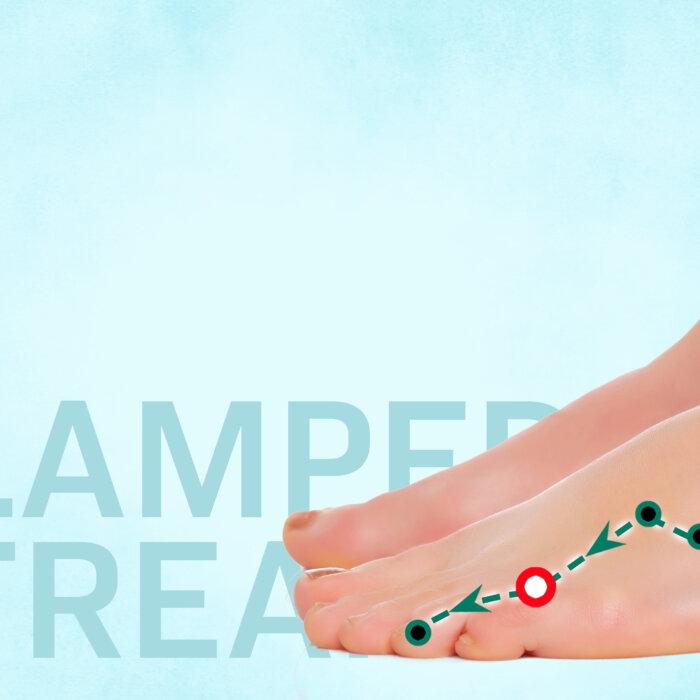

Furthermore, its capacity to clear the origin of the meridian makes it an excellent preventive tool. The best part is that it’s easy to locate and stimulate. Consider incorporating Zu Qiao Yin into your acupressure practice, and observe how your body improves over time.
TCM expert Shihhsiang Hung reviewed this article for accuracy and clarity.