The use of nettle has been recorded as far back as the Bronze Age (3,000 B.C.–1200 B.C.).
Between 58 B.C. and 45 B.C., there are records of nettle’s stinging properties, assisting Julius Caesar’s troops in staying awake and alert during the night.
1 Cup, 37 Calories
Nettle isn’t just a prickly nuisance. It’s been woven into everything from ancient ropes to modern salads.Nettle is even a superfood. You wouldn’t think it from the stinging part, but it’s packed with more vitamins and minerals than a health food store’s shelves.
Per cup, these dark, leafy greens contain 37 calories, 2 grams of protein, and 6 grams of dietary fiber.
The female nettle seeds, in particular, are little powerhouses full of vitamins A, C, E, and a whole alphabet of others. They’re even rumored to boost your mood, though whether that’s because of the nutrients or the relief of not getting stung is anyone’s guess.

Nettle tea, for instance, is supposedly one of the healthiest brews you can drink (especially delicious combined with lemon balm or peppermint).
It’s also well-known as a wonderful spring tonic for its supportive effects on the immune, nervous, digestive, endocrine, and respiratory systems.
Packed with minerals, it’s said to do wonders for your blood, bones, and muscles, though it probably won’t make you bulletproof, so don’t go testing that theory.
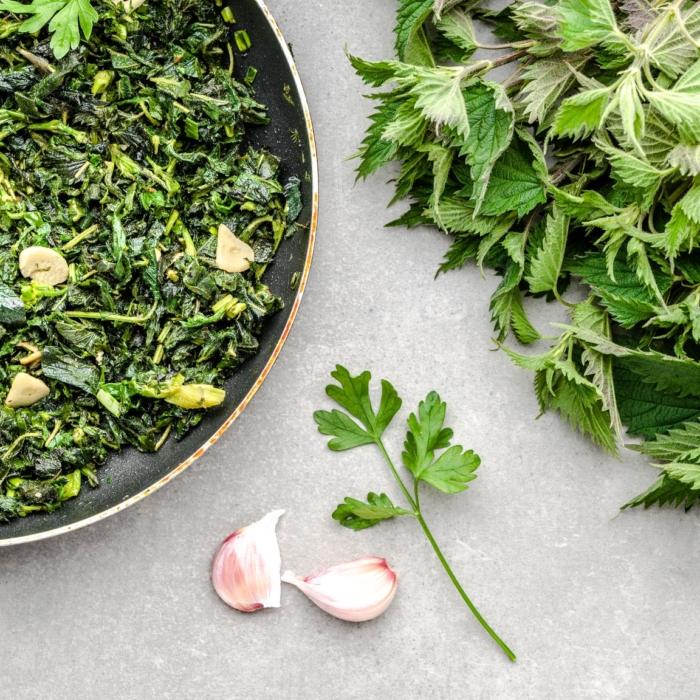
In the kitchen, nettles are surprisingly versatile. Cook them up, and they taste like spinach—if spinach had a wild, rebellious cousin. And cooking them does get rid of the sting.
A Versatile Plant
Historically, nettle has been the go-to herb for everything from hay fever to joint pain. The Greeks and Romans swore by it, using it as a diuretic, a laxative, and even a remedy for respiratory issues.By the 17th century, Nicholas Culpeper, that old herbalist, was recommending nettle-honey concoctions for wounds and infections.
As if getting stung by the plant wasn’t enough, people started using it to treat all manner of ailments, from arthritis to insect bites.
Nettle has also found its way into modern medicine, particularly for treating benign prostatic hyperplasia (that’s an enlarged prostate to you and me).
Nettle Folklore
The folklore surrounding nettles is where things get really interesting.According to legend, Milarepa, a Tibetan saint, survived years of solitary meditation on nothing but nettles. That’s one way to stick to a diet.
Nettles were also thought to protect cattle from witches.
Nettle has even made their way into the Anglo-Saxon Nine Herbs Charm, used to ward off mysterious “elf shots”—which sounds like the sort of thing you’d want to avoid, even if you don’t believe in elves.
There’s also talk of nettles protecting you from lightning, thanks to their association with Thor, the god of thunder.
But then, they’re also linked to Loki, the trickster god, which might explain why nettles are so good at surprising you with a sting.
Some say they were faerie hideaways, and given how nettles tend to sneak up on you, that seems about right.
In short, nettles are the plant equivalent of that one friend who’s always full of surprises—sometimes good, sometimes not so much.
Whether you’re using them to stay awake, cook a healthy meal, or ward off mythical creatures, one thing’s for sure: Nettles are not to be underestimated.
Easy Nettle Soup Recipe
Preparation Time: 15 minutesCooking Time: 30 minutes
Total Time: 45 minutes
Ingredients
- 1 pound stinging nettles
- 2 teaspoons salt
- 1 tablespoon extra-virgin olive oil
- 1 diced white onion
- 1/4 cup basmati rice
- 4 cups chicken broth
- Salt and pepper for seasoning
Instructions
Boil a large pot of water with 2 teaspoons of salt. Add the nettles and cook for 1 to 2 minutes until softened. Drain and rinse with cold water. Remove tough stems and chop roughly.Heat olive oil in a saucepan over medium-low heat, then add the onion and cook until soft and translucent (about 5 minutes). Add rice, chicken broth, and nettles. Bring to a boil, reduce heat, cover, and simmer for 15 minutes until rice is tender.
Blend the soup until smooth, then season with salt and pepper to taste.