The U.S. Food and Drug Administration has issued a ruling requiring manufacturers of certain cancer drugs to add boxed warnings—the agency’s most serious safety label—to labeling, saying they may actually increase the risk of cancer.
Newly Altered Cells May Later Cause Cancer
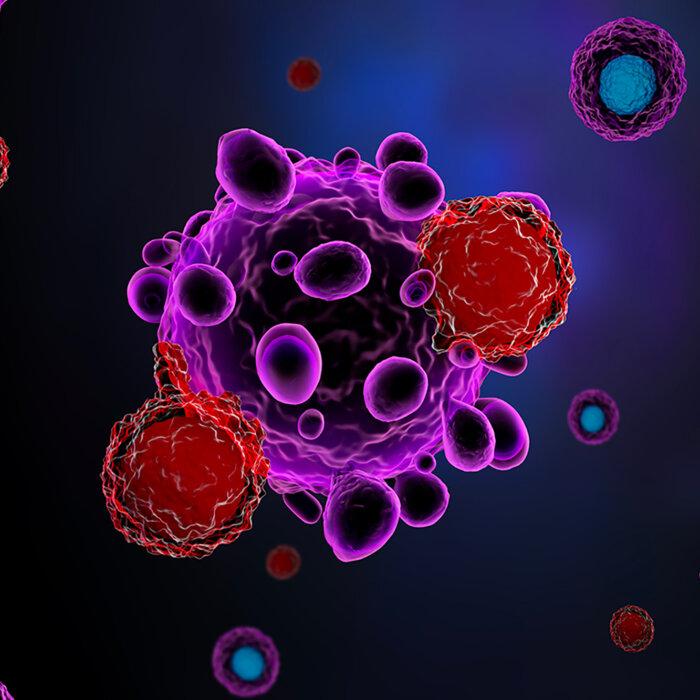
Boxed warnings signify that a drug carries significant risks of life-threatening or otherwise serious adverse effects.CAR-T (chimeric antigen receptor T-cell) therapy uses a patient’s immune T cells to treat certain blood cancers. The T cells are removed from the patient’s body and changed in a lab to attack cancer cells. Then the altered T cells are put back into the patient to fight the cancer.
The mandated boxed warning will explain the potential risk of cancer to users from the medication. The FDA provided sample warning language for manufacturers to include: “T-cell malignancies may occur following treatment with BCMA- and CD19-directed genetically modified autologous T-cell immunotherapies, including…” followed by the product’s name.
Companies must also copy the language under the “secondary malignancies” section of the Warnings and Precautions section of the drug’s label.
Manufacturers have 30 days to add the boxed warnings to product labeling, though they can submit a formal rebuttal contesting the requirement.
Expert: CAR-T Benefits ‘Far Outweigh’ Risks
The FDA acknowledged cancer risks from CAR-T therapies, but noted that the benefits still outweigh potential harm.Though pioneered nearly 30 years ago, CAR-T therapies were only approved by the FDA in 2017 for blood cancers like large B-cell lymphoma and multiple myeloma.
The cancer risk stems from the T-cell engineering process. It involves using a viral vector to insert genetic material and create the cancer-detecting receptors. This can potentially trigger mutations and malignancies—a known concern with cell and gene therapies relying on viral vectors.
Out of 35,000 patients getting CAR-T therapy, only 19 developed malignancies, he noted. “Even if all 19 of these patients are somehow directly linked to the CAR T-cell therapy, the benefits will still far outweigh the risks of developing a secondary malignancy,” Smith added.