
Many men notice that they need to urinate more frequently as they get older. This is often due to an enlarged prostate, a condition also known as benign prostatic hyperplasia (BPH).
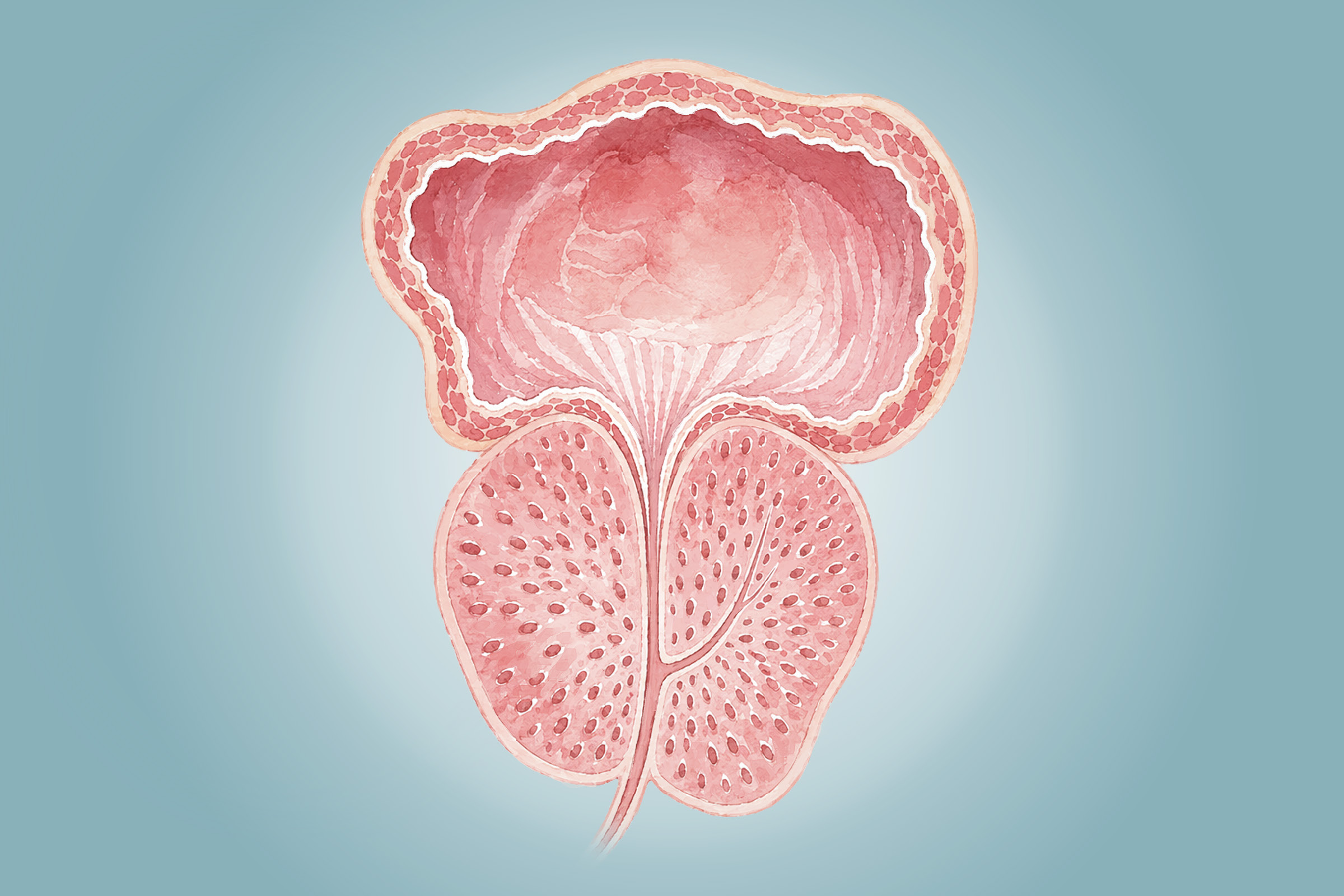
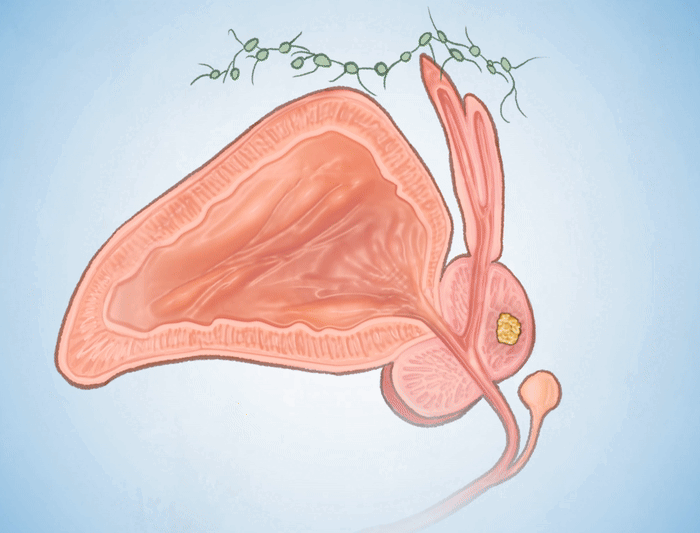
The prostate gland naturally grows throughout a man’s adult life. BPH occurs when it becomes enlarged beyond normal size, placing pressure on the bladder and narrowing the urethra—the tube that carries urine out of the body.
What Are the Symptoms and Early Signs of Enlarged Prostate?
- Frequent Urination, Especially at Night (Nocturia): Because the bladder does not empty completely, men may need to urinate more often, including multiple times during the night.
- Weak or Reduced Urinary Flow: The force and volume of urine may decrease, slowing the stream and sometimes causing strain.
- Difficulty Urinating: Men may feel the urge to urinate but find it difficult to initiate the flow.
- Urgent Need to Urinate: The sensation of needing to urinate can become sudden and strong, making it difficult to delay.
- Incomplete Bladder Emptying: Even after urinating, there may be a lingering sensation that the bladder is not fully emptied.
- Intermittent Flow: A stop-start pattern during urination can occur due to partial blockage of the urethra.
- Dribbling at the End of Urination: After finishing, urine may continue to leak slightly.
- Pain During Urination or After Ejaculation: Pain or discomfort in the groin, lower abdomen, or pelvic area may occur when an enlarged prostate puts pressure on surrounding tissues or causes urinary obstruction.

What Causes an Enlarged Prostate?
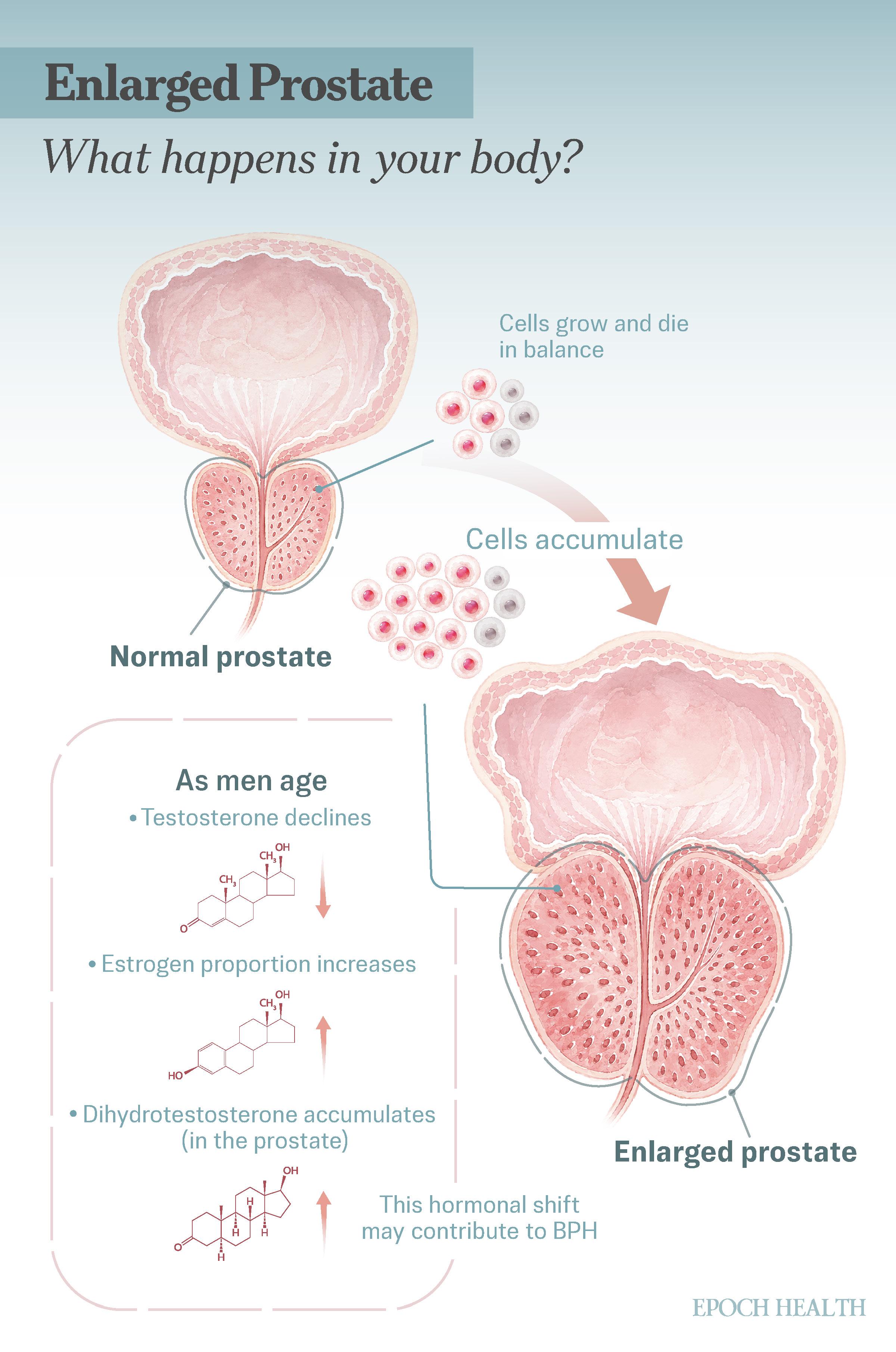
An enlarged prostate occurs when the normal balance between cell growth and cell death is disrupted, causing cells to accumulate and the gland to grow larger around the urethra. The exact cause is not fully understood, but hormonal changes that come with aging are believed to play a key role.
Men naturally produce testosterone, the primary male sex hormone, along with small amounts of estrogen, the primary female sex hormone. One theory proposes that as men age, levels of active testosterone decline, leading to a relatively higher proportion of estrogen. This hormonal shift may contribute to the development of BPH, as increased estrogen activity within the prostate can stimulate cell growth and enlargement.
Another theory suggests that testosterone levels decline while levels of dihydrotestosterone, a male hormone that drives sexual development and male hair patterns, remain high and accumulate in the prostate. Because dihydrotestosterone is known to promote prostate growth, this buildup may stimulate prostate cells to multiply and contribute to the development of BPH.
Risk Factors
Several lifestyle, medical, and biological factors can increase the risk of an enlarged prostate or worsen its symptoms.- Alcohol: Regular light drinking may increase lower urinary tract symptoms, likely due to alcohol’s diuretic effect, while the effect of moderate to heavy drinking remains unclear.
- Caffeine: Heavy caffeine use may increase the risk of BPH or worsen symptoms.
- Obesity: Increased systemic inflammation and elevated estrogen levels may contribute to BPH. For every 0.05 increase in waist-to-hip ratio—a measure of abdominal obesity—the risk of developing BPH rises by approximately 10 percent.
- Sedentary Lifestyle: Physical inactivity may increase symptom severity, while regular movement, including daily walking, appears to reduce risk.
- Smoking: A long history of heavy smoking—50 pack-years or more—may increase the likelihood of severe urinary symptoms, while the effect of lighter smoking remains less certain.
- Prostate Inflammation: Chronic, low-level inflammation may contribute to BPH and may be driven by factors such as urinary pressure, obesity, duct blockage, autoimmune activity, or ongoing prostate inflammation.
- Zinc Deficiency: Chronic zinc deficiency may raise the risk of developing BPH in men over age 50.
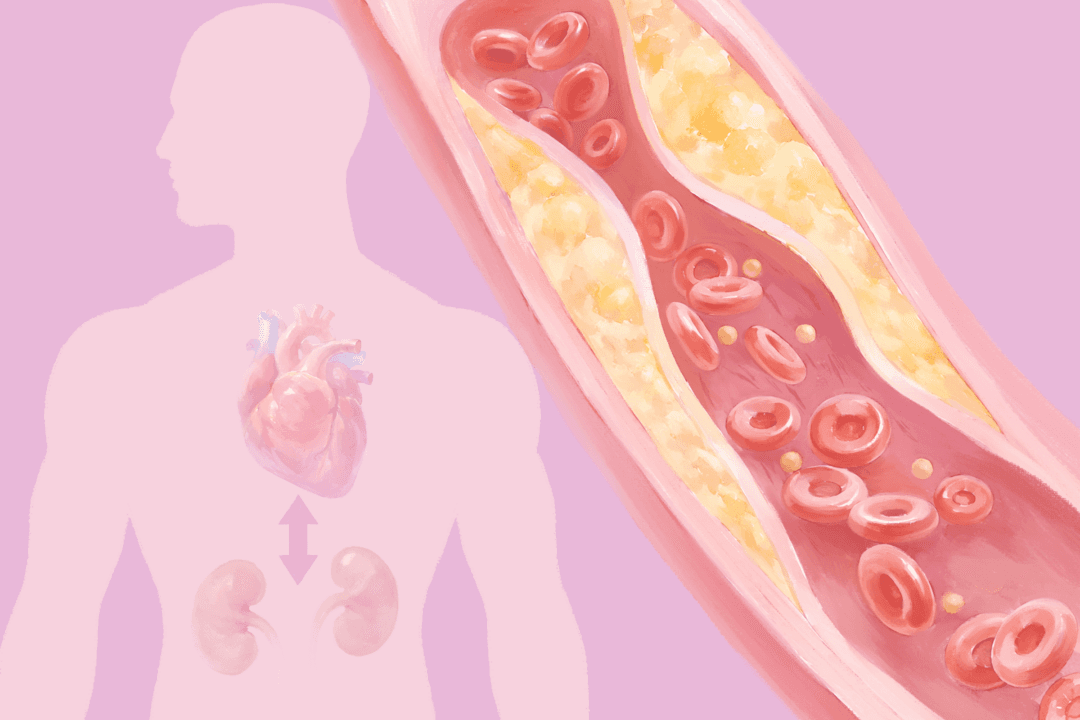
- Certain Medical Conditions: Conditions such as high blood pressure, heart disease, and diabetes may be associated with BPH, although this link may reflect aging rather than a direct connection. Metabolic syndrome—including high blood pressure, insulin resistance, and abnormal cholesterol levels—may also increase prostate volume and the risk of lower urinary tract symptoms.
- Certain Medications: The use of antidiabetic medications, especially insulin, may increase the risk of BPH, lower urinary tract symptoms, and the need for prostate-related surgery. Antihistamines and nasal decongestants can temporarily block urine flow by narrowing the urethra or reducing bladder contractions.
- Age: As men get older, their risk of developing BPH increases.
- Family History: Having a first-degree relative with BPH may increase risk fourfold, while having an affected brother may increase risk sixfold. In twin studies, identical twins experience more severe lower urinary tract symptoms than fraternal twins.
- Geography and Ethnicity: BPH is more frequently observed in Western countries than in Eastern countries, and it may also be more common among black men.
How Is an Enlarged Prostate Diagnosed?
The first and most important step in assessing BPH is a thorough medical history. This helps doctors understand the potential causes of lower urinary tract symptoms and any related health conditions. Key areas explored include the type, onset, and frequency of symptoms; history of recurrent urinary tract infections; current medications, including prescription and over-the-counter drugs; daily fluid intake and use of caffeine or alcohol; past illnesses or surgeries; and any family history of prostate problems.
A physical examination typically follows, which may include observing urination for irregularities and checking the lower abdomen for an enlarged bladder caused by retained urine. A digital rectal exam is a key part of the evaluation, allowing the doctor to assess the prostate’s size, shape, and consistency. Hard or firm areas may raise concern for prostate cancer. The exam may also include checking for urethral discharge and enlarged or tender lymph nodes in the groin.
- Urinalysis: A urine test used to look for blood, infection, sugar, protein, and other markers. This is usually the first lab test ordered and may be the only one needed for mild symptoms.
- Urine Culture: A test ordered when a urinary tract infection is suspected.
- Prostate-Specific Antigen (PSA) Test: A blood test that measures the level of PSA, a protein produced by the prostate. Elevated PSA levels can indicate prostate enlargement, while significantly higher levels may suggest prostate cancer.
- Transabdominal Ultrasound: An imaging test that uses sound waves to measure the prostate’s size and the amount of urine remaining in the bladder after urination.
- Post-Void Residual: A test, often performed with an ultrasound, that measures how much urine remains in the bladder after urination.
- Cystometry: A test that measures bladder pressure and function by using a catheter to fill the bladder with water while a computer records pressure, helping assess how well the bladder empties during urination.
- Cystoscopy: A procedure in which a thin, flexible tube with a camera, called a cystoscope, is inserted through the penis and urethra, allowing the doctor to examine the bladder and urinary tract for structural changes or blockages.
- Transrectal Ultrasound With Biopsy: A test used when prostate cancer is suspected, in which a small ultrasound probe is inserted into the rectum to visualize the prostate and guide a needle biopsy.
- CT Urogram: An imaging test that examines the urinary tract to identify blockages, such as kidney or bladder stones, and assess any damage that may be causing symptoms.
What Are the Treatments for an Enlarged Prostate?
1. Watchful Waiting
If symptoms are mild, you may choose to delay treatment while your doctor monitors your condition for any changes or complications. During this time, your symptoms may worsen, stay the same, or even improve over time—occurring in about one-third of men with BPH. This period also offers an opportunity to focus on lifestyle changes.2. Medications
Medications approved by the Food and Drug Administration improve symptoms in 30 percent to 60 percent of men. The main types include:- Alpha-Adrenergic Blockers: Relax the muscles in the prostate and bladder neck to improve urine flow and reduce frequency and nocturia. These medications work quickly and are often the first option. Common side effects include dizziness—especially when standing up, fatigue, headaches, low blood pressure, and ejaculatory dysfunction.
- 5-Alpha-Reductase Inhibitors: Block the conversion of testosterone to dihydrotestosterone to shrink and improve urine flow. These medications are most effective in men with larger prostates and may take up to six months to provide full benefit. They may also reduce the risk of urinary retention and the need for surgery. Side effects may include sexual dysfunction, reduced ejaculate volume, and, less commonly, breast enlargement.
- Phosphodiesterase-5 Inhibitors: Relax smooth muscle in the prostate and reduce bladder overactivity when taken daily, helping improve urinary frequency, urgency, and incontinence. These medications are commonly used to treat erectile dysfunction but have not been shown to significantly improve urine flow.
3. Minimally Invasive Surgical Therapies
These procedures are often performed on an outpatient basis and offer quicker recovery than traditional surgery. They are typically recommended for men who do not respond to medication or who develop complications such as urinary obstruction, bladder stones, blood in the urine, or prostate-related bleeding. Options include:- Prostatic Urethral Lift: Places small permanent implants in the prostate to lift and compress tissue, opening the urethra without removing tissue. This procedure can be performed under local or general anesthesia and is associated with fewer sexual side effects. Studies suggest symptom relief may last at least five years.
- Water Vapor Thermal Therapy: Uses steam to destroy prostate cells that compress the urethra, allowing the prostate to shrink as the body clears dead tissue. Temporary side effects may include blood in the urine, catheter use, and frequent urination, which usually resolve within two to three weeks. Sexual side effects are rare, and benefits may last at least five years.
- Laser Prostatectomy: Uses laser energy delivered through a scope inserted into the urethra to remove or vaporize excess prostate tissue. These techniques have relatively few side effects and may allow men to stop BPH medications.
- Transurethral Microwave Thermotherapy: Uses a thin, flexible tube inserted into the urethra to deliver microwaves that heat and destroy excess prostate tissue, helping reduce urinary frequency and urgency.
- Aquablation: Uses a high-pressure water jet guided by live ultrasound to precisely remove excess prostate tissue while preserving structures involved in ejaculation.
- Prostate Artery Embolization: Blocks blood flow to the prostate to shrink the gland and improve urinary symptoms. Short-term studies show improvement, but long-term effectiveness is unknown.
- Transurethral Needle Ablation: Uses low-level radiofrequency energy delivered through needles to destroy prostate tissue and improve urine flow.
- Catheterization: Uses a thin tube to drain urine from the bladder, either through the urethra or a small opening above the pubic bone. This approach provides temporary relief and carries a risk of infection.
- Transurethral Electrovaporization: Uses a resectoscope with an electrode to apply electric current and destroy excess prostate tissue.
- Transurethral Ultrasound Ablation: Uses MRI-guided ultrasound delivered through a device inserted into the urethra to target and destroy prostate tissue while minimizing damage to surrounding tissue.
- Temporary Implanted Prostatic Devices: Place a small device in the urethra for about one week to reshape the urine channel and reduce prostate obstruction. Possible side effects include urinary tract infections, incontinence, and urethral scarring.
4. Surgery
Surgery may be needed if medications are ineffective, symptoms are severe, or complications develop. It can also be considered for men who cannot tolerate medical therapy. While surgery can relieve urinary obstruction, it does not cure BPH. Options include:- Transurethral Resection of the Prostate: Removes the central part of the prostate using a resectoscope inserted through the urethra, with tissue removed and blood vessels sealed electrically. Recovery usually takes about three weeks, with a catheter in place for one to three days and a hospital stay of one to two days. Mortality is very low (0.1 percent), but side effects can include impotence and incontinence.
- Transurethral Incision of the Prostate: Makes small cuts in the prostate and bladder neck to widen the urethra and improve urine flow in men with smaller prostates.
- Prostatectomy: Removes the inner portion of the prostate to relieve obstruction. This procedure offers the fastest symptom improvement but carries the highest risk of long-term complications, including impotence, incontinence, retrograde ejaculation, and the potential need for a second operation.
5. Medicinal Herbs
Always speak with your doctor before starting any herbal therapy, as some supplements may interact with medications or affect test results.- Saw Palmetto: The most widely used plant-based therapy for BPH. A 2020 meta-analysis of four studies involving more than 1,000 men with BPH found that saw palmetto improved urinary symptoms similarly to tamsulosin with fewer side effects, although it was less effective at shrinking the prostate. However, previous larger studies found no improvement in symptoms compared with placebo, and current guidelines do not recommend it.
- Stinging Nettle: A 2025 systematic review of six studies involving more than 1,200 men with BPH found evidence that stinging nettle root extract may improve urinary symptoms.
- Fireweed: A 2021 study of 128 men found that those taking a daily fireweed supplement for six months had reduced leftover urine and fewer nighttime bathroom visits, with no reported side effects.
- African Plum Tree: A 2000 meta-analysis of 18 studies involving nearly 1,600 men with BPH found modest improvements in urinary symptoms and flow, with mild side effects.
6. Traditional Chinese Herbal Formulas
A 2024 meta-analysis of 107 studies involving more than 11,000 men found that combining traditional Chinese herbal medicine with standard Western treatment may improve BPH symptoms more than standard treatment alone.7. Acupuncture
A 2017 meta-analysis of eight studies involving 661 men with BPH found that acupuncture produced small but measurable improvements in moderate to severe symptoms in the short term. A 2025 systematic review of 85 studies found that acupuncture for BPH commonly targets specific points on the lower abdomen, back, and legs that may help relieve urinary symptoms. However, more high-quality clinical research is needed to confirm its effectiveness and to determine the best protocols.What Are the Natural and Lifestyle Approaches to an Enlarged Prostate?
1. Self-Care Tips
Experts recommend the following self-care measures to help manage BPH.- Use the Bathroom Regularly: Avoid holding urine for long periods and urinate whenever you feel the urge.
- Improve Bladder Emptying: Practice double voiding—urinate, relax, then try again—and consider sitting down to urinate to help fully empty the bladder.
- Manage Fluid Intake: Drink less fluids in the evening or before going out and empty the bladder before bedtime.
- Avoid Bladder Irritants: Limit or avoid alcohol and caffeine, which can increase urine production and frequency.
- Relieve Constipation: Manage constipation through diet, fluids, or medication to reduce pressure on the bladder and ease urinary symptoms.
2. Diet
A 2021 study suggests that eating a low-fat, high-fiber diet and increasing intake of zinc, flaxseed, and fluted pumpkin seeds may help slow BPH progression and improve symptoms. Experts recommend focusing on a balanced diet that includes colorful fruits and vegetables, whole grains, healthy protein sources such as fish, beans, and poultry, and healthy fats such as olive oil and nuts.- Pumpkin Seeds: Research suggests that pumpkin seeds can safely help ease mild to moderate BPH symptoms, but they are generally not as effective as prescription medications. A 2019 pilot study of 60 men with BPH found that a daily pumpkin seed extract reduced urinary symptoms by about 30 percent, decreased nighttime urination, and lowered residual urine volume. Pumpkin seed oil may safely help relieve symptoms of mild to moderate BPH.
- Soy Products: Foods such as tofu, soy milk, and edamame (young soybeans) are rich in soy isoflavones, which may improve urinary symptoms, reduce prostate size and post-void residual volume, and support erectile function.
- Cranberry: A 2015 study of 124 men over age 45 with BPH found that cranberry powder—especially at higher doses—helped improve urinary symptoms and bladder function. Another 2015 study of 43 older men found that taking a concentrated cranberry supplement for two months reduced repeated urinary tract infections.
- Tomato: A 2021 study of 40 people found that a whole tomato-based supplement significantly reduced urinary symptoms and improved quality of life in men with BPH.
- Curcumin: A 2023 study of 52 men with BPH found that taking a specialized form of turmeric called nano-micellar curcumin improved their urinary symptoms. Another 2023 study with 40 men found that combining curcumin with standard medication reduced prostate size and improved urine flow and symptoms.
3. Exercise
Higher levels of physical activity are associated with fewer and less severe BPH symptoms. Exercise may help by influencing hormone levels and reducing activity in the sympathetic nervous system, which can tighten muscles around the prostate and bladder. Pelvic floor exercises can also strengthen pelvic floor muscles, improve bladder control, and reduce urinary symptoms.How Can I Prevent an Enlarged Prostate?
The Urology Care Foundation also recommends eating a diet rich in certain plant and seafood foods to support prostate health. Cruciferous vegetables, such as broccoli, cabbage, and kale, provide antioxidants, vitamins, minerals, and phytochemicals that help protect cells.
Green tea provides additional antioxidants, and legumes, such as beans, lentils, and peanuts, contain phytoestrogens that may help slow tumor growth. Nutrients such as beta-carotene, carotenoids, and vitamin A may also offer some protection.
What Are the Possible Complications of an Enlarged Prostate?
- Urinary Retention: As the prostate enlarges, it narrows the urethra, forcing the bladder to work harder to pass urine. Over time, the bladder may weaken and fail to empty completely, leading to urinary retention.
- Urinary Tract Infection (UTI): Incomplete bladder emptying can allow bacteria to build up in the urinary system, leading to a urinary tract infection. While UTIs are usually treatable with antibiotics, recurrent infections can cause damage to the bladder and kidneys.
- Bladder Stones: Incomplete bladder emptying can leave stagnant urine in the bladder, creating an environment in which mineral crystals form and gradually accumulate into stones.
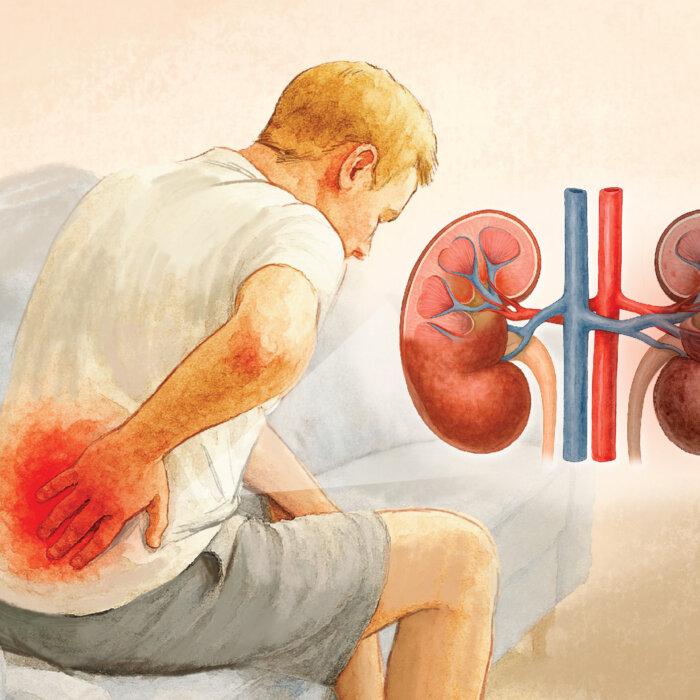
- Upper Tract Dilation: Urinary retention can increase pressure inside the bladder, causing urine to flow backward into the ureters and kidneys and leading to stretching—known as upper tract dilation.
- Kidney Disease: Urinary backup can cause swelling in the urinary tract and kidneys and, in severe cases, lead to kidney damage or kidney failure.