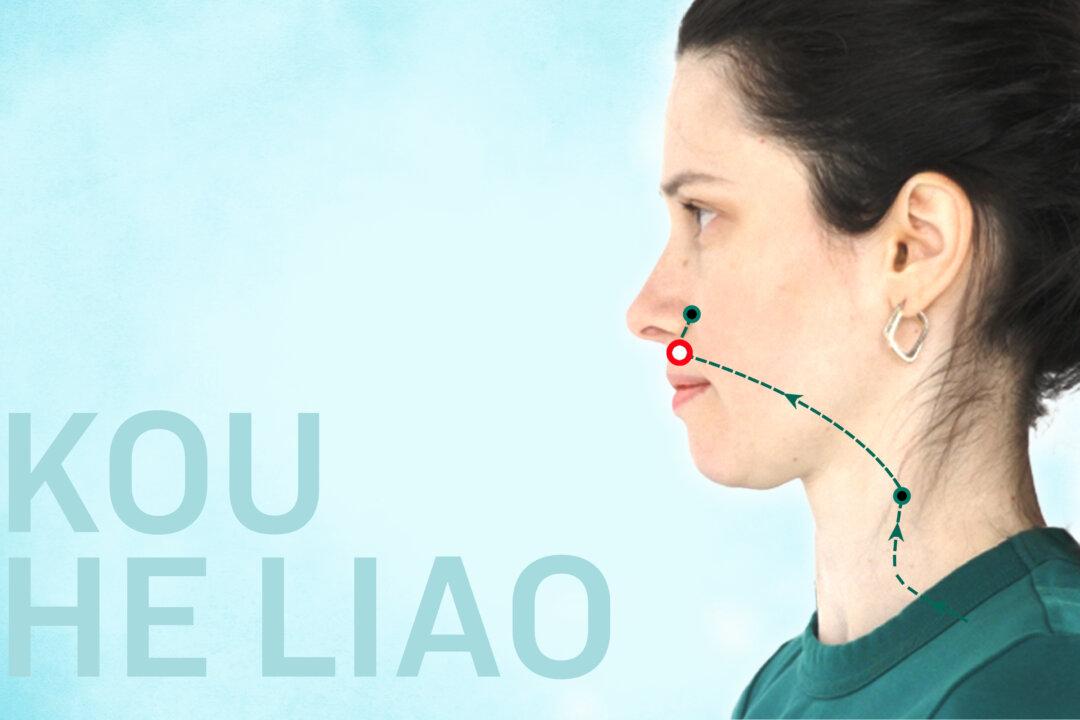
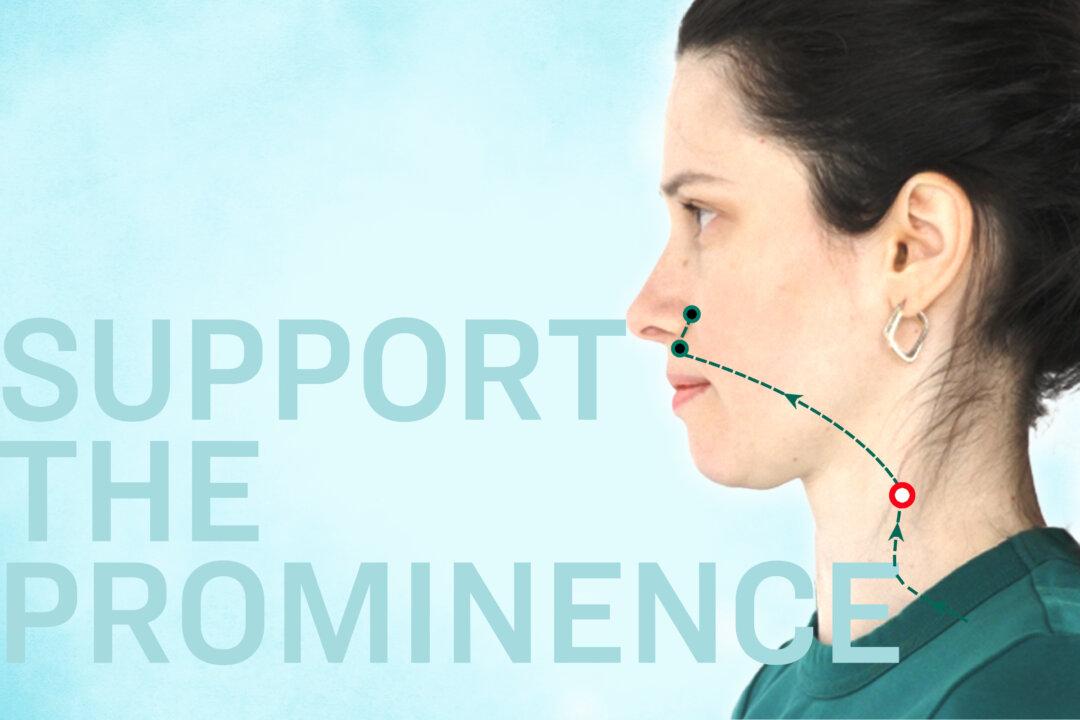
Some acupoints shine when there’s a crisis—think sudden neck spasm or a sharp pain in the chest—while others excel at long-term upkeep. Crooked Wall (Qu Yuan, SI 13) belongs to the latter group. While clinicians may categorize it as a supporting acupoint, many traditional Chinese medicine (TCM) enthusiasts consider it an essential part of their self-care toolkit, much like chicken soup is for a cold. The healing powers of Qu Yuan can be combined with routine maintenance for long-term wellness.
Ancient Roots, Modern Insight
First described in the foundational text “Zhen Jiu Jia Yi Jing” (“A-B Classic of Acupuncture and Moxibustion”) nearly two millennia ago, Qu Yuan carries two mandates: “relax the tendons” and “unblock the meridians.” Loosening tendons in TCM roughly translates to boosting local blood flow and restoring easy movement—the same looseness you feel after a good massage. Unblocking meridians (energy pathways), meanwhile, treats the body like a highway system—when energetic traffic jams, tissues upstream and downstream both suffer. Regular stimulation of Qu Yuan acts like routine road maintenance, preventing jams before they trigger chronic pain.People with lingering pain around the scapula, slow-to-heal rotator-cuff issues, or shoulder joints that grumble in damp weather can gain noticeable benefits by stimulating Qu Yuan. Because blockages accumulate over months, this acupoint isn’t a one-and-done miracle—it rewards consistency. Practitioners notice improved overhead reach, less stiffness, and calmer soft-tissue inflammation along the upper back after a few weeks of daily work.