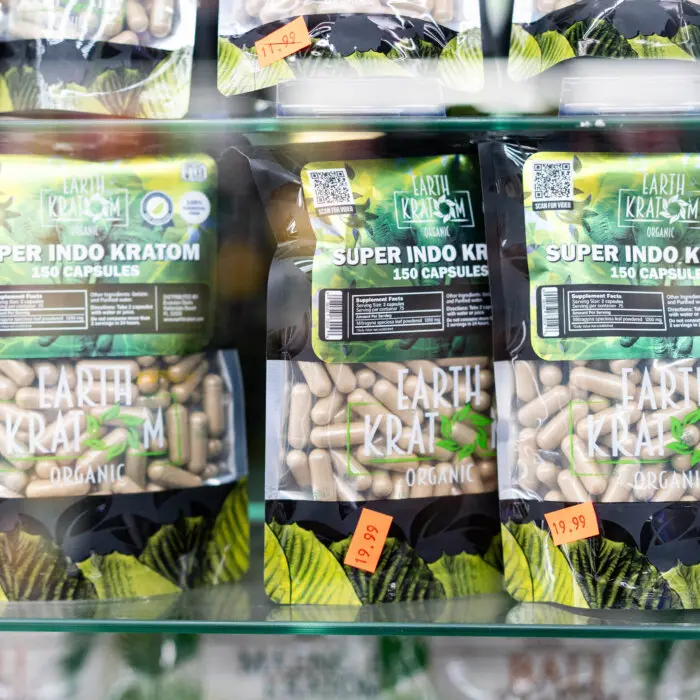
It sits on the same shelf as energy drinks and beef jerky, marketed as a natural herbal supplement. But according to new federal data, kratom—widely available at gas stations and convenience stores across the country—is now sending more people to poison centers than ever before, with cases up more than 12-fold in a decade.
Researchers of the study noted that the rise coincides with survey data showing more people are trying kratom, along with the emergence of high-potency products, including semisynthetic formulations containing concentrated 7-hydroxymitragynine (7-OH), a powerful opioid-like compound now sold in products such as extracts, gummies, and liquid shots.
The study also found that while most reports involved younger adults, the sharpest increase occurred among adults ages 40 to 59. By 2025, exposure report rates in this group had risen to nearly match those among adults ages 20 to 39.
However, not everyone gets the exact result they are seeking.
From Ground Leaf to Potent Extracts
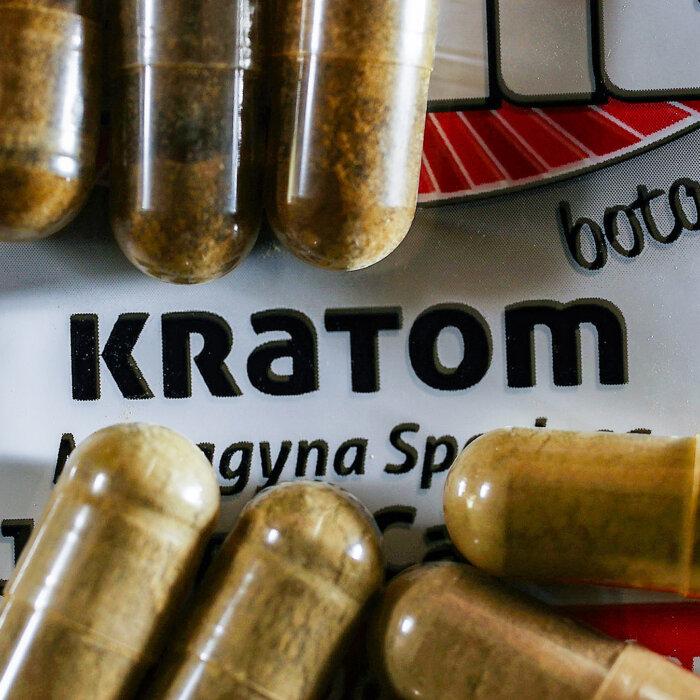
Kratom comes from the leaves of a tropical tree (Mitragyna speciosa) native to Southeast Asia.
The plant contains two main psychoactive compounds, primarily mitragynine and 7-OH, both of which act on opioid receptors in the brain.
Today, many products are not simply ground leaves but concentrated extracts, isolated alkaloids, or chemically modified products designed to increase the amount of 7-OH. These products can be far more potent than traditional leaf preparations, meaning even a single extract shot or gummy may produce strong opioid-like effects.
The risk is compounded by how kratom products are marketed and sold. “Unfortunately, people commonly believe kratom products are safe because they are perceived as natural—and they are also marketed that way,” Barrett said.
Many products marketed as natural are not simply ground leaves but more potent derivatives of kratom’s chemical compounds, Dr. Cooper Stone, a clinical assistant professor of psychiatry and behavioral science at the Perelman School of Medicine at the University of Pennsylvania, who was not part of the analysis, told The Epoch Times.
“What was thought to be a well-meaning attempt at relief can quickly transform into a nightmare, whether it be accidental overdose or addiction,” Stone said.
Serious Cases
The findings suggest that the danger may not be with the kratom alone, but how it is often alongside other substances.
While most kratom-related poison center calls involved kratom alone, cases involving multiple substances were far more likely to result in hospitalization or death. The most common substances involved were alcohol, opioids, benzodiazepines, stimulants, and antidepressants.
Hospitalizations linked to multi-substance exposures rose sharply—by about 13-fold over the study period. Nearly eight in 10 deaths involved multiple substances; opioids were involved in about six in 10 fatalities, followed by benzodiazepines, stimulants, and alcohol.
Dr. Christopher Holstege, a medical toxicologist and medical director of the Blue Ridge Poison Center at the University of Virginia, who co-authored the report, told The Epoch Times that the finding raises concern. “We are seeing patients in our addiction clinics taking kratom, and people with addiction are at an increased risk of suicide.”
“When you’re desperate for relief, many people will try anything, particularly if it’s marketed to you in the right way and hyped up online,” Stone said. Many people already taking medications for anxiety, depression, or substance use disorders may turn to what they believe are benign natural remedies when they don’t experience enough relief, unaware of the interaction risks, he added.
Calls for Oversight
Kratom products are largely unregulated in the United States.
Manufacturers are not required to disclose exact formulations, leaving consumers with no reliable way to know a product’s potency, contents, ingredients, and potential drug interactions.
Part of the reason is that kratom occupies a gray area between herbal supplement and psychoactive drug.
For those already struggling with dependence, Barrett said, treatment is available. “I’ve seen how people with harrowing dependence get their lives back.”