Deficiency of 2 B Vitamins Linked to Parkinson’s
The study, published in npj Parkinson’s Disease, suggests that vitamin B deficiency may contribute to Parkinson’s development by compromising the intestinal barrier, which typically prevents toxins from entering the bloodstream. Toxins in the bloodstream may lead to neuroinflammation, which is inflammation in the nervous system often associated with neurodegenerative diseases and other neurological conditions.This suggests that B vitamin supplementation could potentially relieve Parkinson’s symptoms and even slow disease progression, Hiroshi Nishiwaki, the lead study author, said in a statement.
Customized for Individual Microbiomes
The findings also suggest that vitamin therapy could potentially be customized based on each patient’s unique microbiome profile to delay the onset of Parkinson’s-associated symptoms.“We could perform gut microbiota analysis on patients or conduct fecal metabolite analysis,” Mr. Nishiwaki stated. “We could identify individuals with specific deficiencies and administer oral riboflavin and biotin supplements to those with decreased levels, potentially creating an effective treatment.”
The study demonstrates the importance of the gut microbiome in the progression and initiation of Parkinson’s disease, a theory first hypothesized more than 20 years ago, Dr. Raminder Parihar, director of neuromodulation at the Montefiore Neurological Surgery Movement Disorders Center, who was not affiliated with the study, told The Epoch Times.

Other Vitamins That Could Help
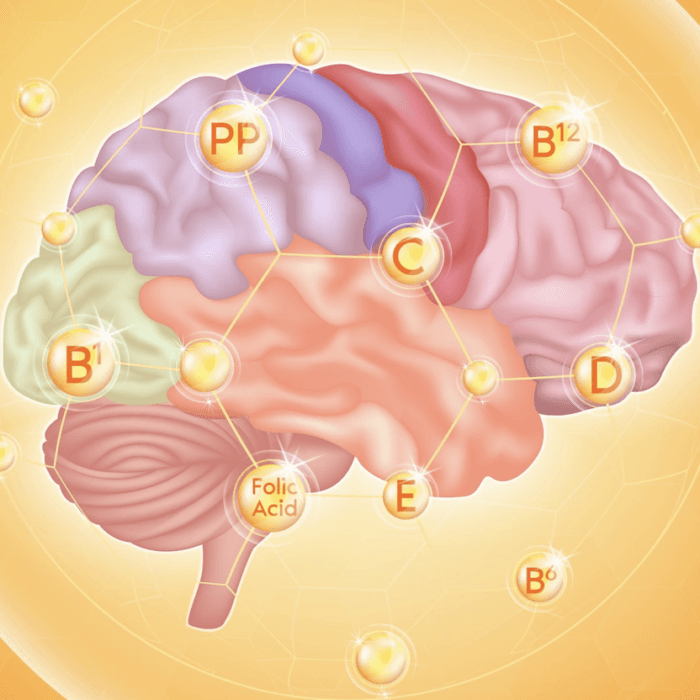
While no vitamins or nutrients can cure Parkinson’s disease, several may help to alleviate symptoms or reduce risk. They include:- Vitamin D: may reduce the risk of developing the condition
- Omega-3 fatty acids: anti-inflammatory; found in fatty fish, flaxseeds, and walnuts
- Vitamin E: antioxidant that may protect against neurodegeneration and reduce oxidative stress
- Magnesium: may alleviate symptoms such as muscle cramps and rigidity
- B vitamins: B12 supplementation may help with fatigue and cognitive decline
- N-acetylcysteine: linked to dopaminergic improvement and reduced oxidative stress and inflammation
- Curcumin: found in turmeric; may protect dopamine-producing neurons
- Resveratrol: found in grapes, berries, and peanuts; may reduce oxidative stress
- Selenium: higher blood levels associated with reduced Parkinson’s risk
Consult a health care professional before starting any supplements, as they may interact with medications or have side effects. While these vitamins and nutrients show potential benefits, they should not replace standard medical treatment for Parkinson’s disease.