This copy is for your personal, non-commercial use only. Distribution and use of this material are governed by our Subscriber Agreement and by copyright law. For non-personal use or to order multiple copies, please contact The Epoch Times Reprints.
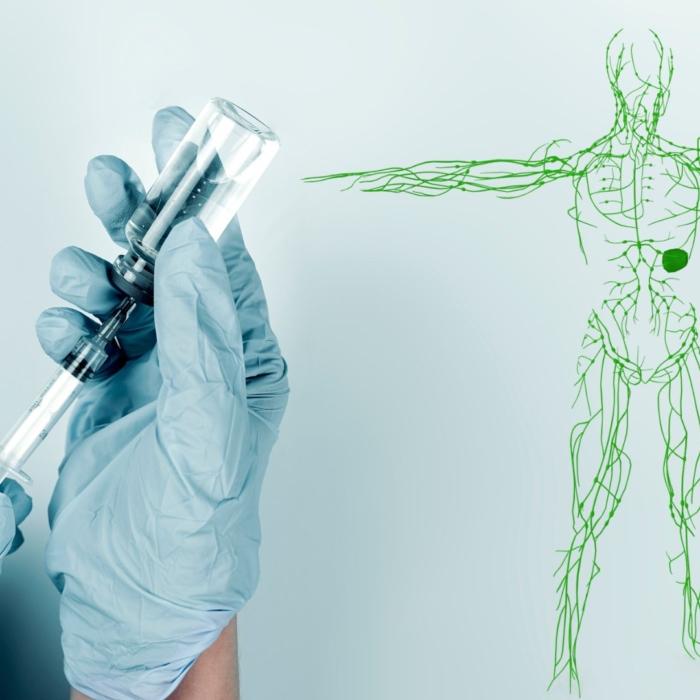
Severe life-threatening events in the brain and heart have been linked with the COVID-19 vaccine, but how can the vaccines disperse from the injection site to other organs?
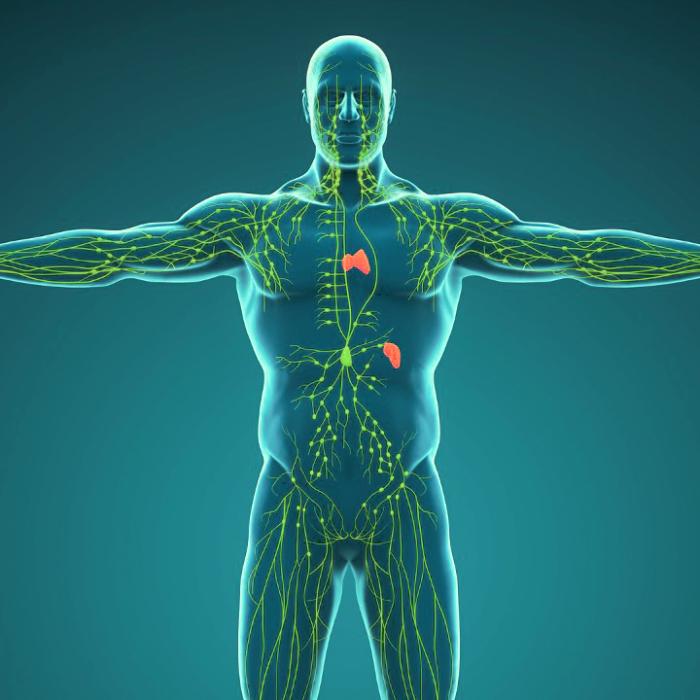
The lymphatic system isn’t only an indispensable protector to ward off pathogens, but it also eliminates toxins from our bodies.
During the COVID-19 virus and vaccine era, maintaining a robust lymphatic system has become more important than ever.
How mRNA Vaccines Bypass 1st Line of Defense
The heart of the matter lies in the mRNA vaccine’s ability to bypass the first line of defense, the mucous cells and tonsils that are typically triggered during a natural infection. This ultimately disrupts our innate immunity.
After being administered at the injection site, the vaccine spreads preferentially via the lymphatic system, then on to wherever our lymphatic immune cells fail to clear it out. Rarely, the vaccine might unintentionally be injected into the blood.
When the mRNA is administered into muscle tissue, which is rich in blood vessels and lymphatic vessels, it allows the vaccine lipid particles to be absorbed swiftly into the lymphatic system and initiate subsequent outcomes.
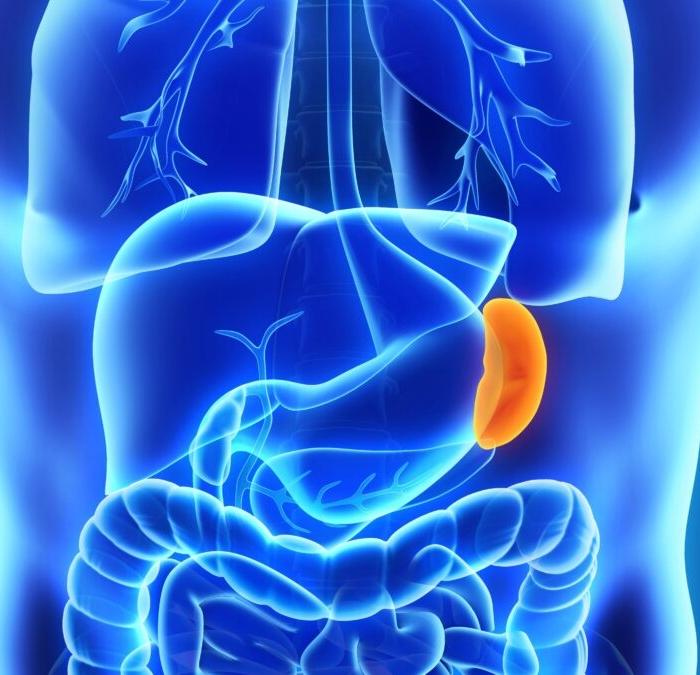
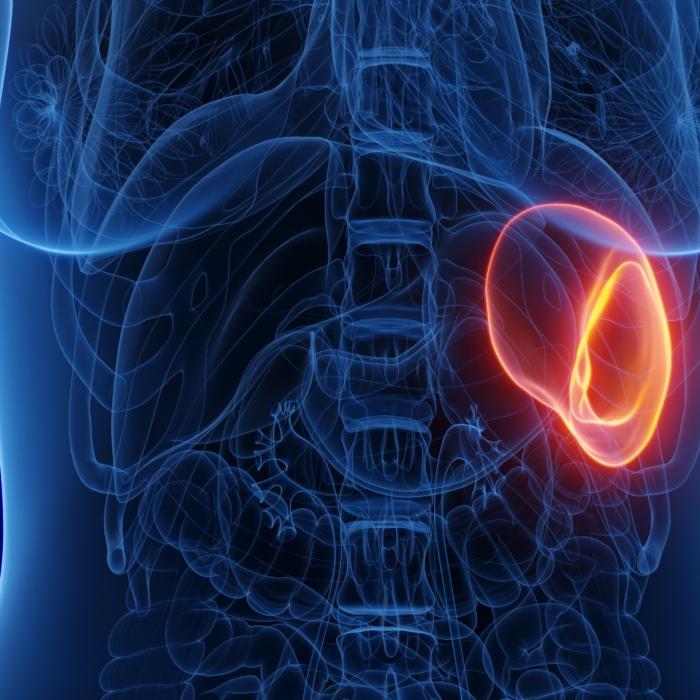
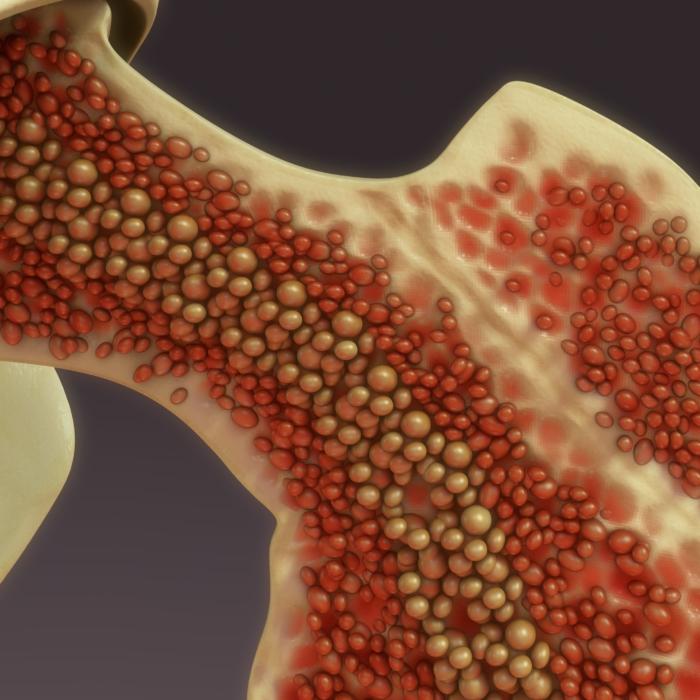
Recently, the Australian Health Authority released a report showing that the vaccine’s lipid nanoparticles are distributed throughout the body, including the spleen, bone marrow, and lymph nodes. (pdf)
Frontline Battlefield With the Vaccine
In clinical trials of the mRNA vaccine, the enlargement of lymph nodes is reported in 0.4 percent of participants after the first two doses and 2.8 percent following an additional booster dose of the Pfizer mRNA vaccine. (pdf)
Many people may see this as a natural and benign reaction to the vaccine. However, in the case of mRNA vaccines, particularly the COVID-19 mRNA vaccines, things are not that simple.
A Korean study was conducted on 88 healthy women with swollen lymph nodes after receiving the COVID-19 vaccines, including mRNA or viral vectors. About a quarter (23) of the women no longer had swelling after six weeks, but more than half (49) of those remaining still had swelling after 12 weeks.
The women who were administered mRNA vaccines exhibited increased and prolonged swelling compared with those who received a viral vector vaccine. Although the viral vector vaccine recipients were part of the control group, the same concern remains with them.
Additionally, women who received mRNA vaccines showed greater differences in their lymph nodes, which can be indicative of cancerous growth, warranting long-term follow-up.
A Deeper Look at Adverse Reactions to COVID-19 Vaccines
A large body of evidence has proven that the spike protein can induce subsequent downstream cascades that damage our body from several pathways in many organs. It can:
Disable protective interferons: Interferons recruit immune cells to fight infection, so disabling them means you’re more vulnerable.
Damage the mitochondrial function: Mitochondria generate the energy currency of the cell, signal between cells, and regulate cell death.
Trigger inflammation: This includes cytokine storms, an overreaction of the immune system that can cause chronic inflammation.
Induce autoimmune conditions: Vaccine-induced autoimmunity is associated with Guillain-Barré syndrome, postural orthostatic tachycardia syndrome, and other conditions.
Lipid nanoparticles in mRNA vaccines are also a big problem, as studies have shown they can disassemble, cluster, and trigger an embolism, the blockage of a blood vessel.
Accordingly, wherever the local lymphatic system is clogged or not functioning well enough to cleanse away the vaccine components, we may experience symptoms in corresponding parts of our body.
As of March 31, the Vaccine Adverse Event Reporting System (VAERS) recorded a staggering 1,541,247 global reports of COVID-19 vaccine-related adverse events. These incidents encompass a range of concerning outcomes, such as 35,948 fatalities, 196,067 hospitalizations, and 37,174 life-threatening cases.
In the COVID-19 vaccine era, bolstering the lymphatic system and enhancing its ability to effectively eliminate these stealthy invaders is particularly important.
Some people haven’t experienced more than mild side effects, regardless of the vaccines taken. This may be attributed to their body’s robust self-healing and detoxifying lymphatic system.
In addition to sleep, exercise, deep breathing, a healthy diet, and hydration, additional practices can be taken to reinforce lymphatic function and alleviate vaccine-related injuries.
Lymphatic Massage Techniques
Massage can promote lymphatic drainage, improve immune function, and cleanse waste products.
A randomized, blind, controlled trial with 147 participants showed a significant reduction in adverse events and local pain in those who received auricular acupressure compared with the control group.
Based on available research, reduction of adverse effects of vaccines after acupuncture is likely related to the boosted function of the lymphatic system.
CT scans have shown that acupuncture points contain more tiny blood vessels than other areas of the body, probably also with a high concentration of small lymphatic vessels.
Herbs such as calendula, echinacea, and dandelion can also help naturally purify the lymphatic system, reduce swelling and pain, and boost the immune system.
Photobiomodulation
Studies have shown that photobiomodulation therapy can have the beneficial effect of clearing the brain’s toxic proteins via the brain lymphatic system and thus is regarded as a noninvasive neuroprotective strategy for improving neurological symptoms such as brain fog or cognitive decline. This form of therapy applies light from low-level lasers or light-emitting diodes to the surface of the body. Near-infrared light is often used.
Temperature Fluctuation
A spring or spa experience that naturally exposes the body to both heat and cold can improve the function of the lymphatic system by increasing lymph flow.
Exposure to cold and hot temperatures causes lymphatic vessels to contract and relax, increasing lymph flow throughout the body by as much as 117 percent. This surge stimulates the immune system, enhancing its function.
However, extremes such as winter swimming are not recommended, as these activities are generally not healthy. Sudden coldness may cause blood vessel contraction, which people with certain risk factors should avoid.
Vitamin C
Vitamin C is a vital nutrient for the lymphatic system, providing support in multiple ways.
First, it boosts collagen production, enhancing the lymphatic system’s structural integrity. Lymph nodes are surrounded by collagen-rich capsules and trabeculae, tiny fibers that support the structure of the lymph nodes that need sufficient vitamin C to remain strong.
Secondly, vitamin C aids lymphocyte function, which produces antibodies that identify and eliminate foreign particles in the body.
A study has found that vitamin D can adjust the number and function of T lymphocytes in the skin lymph nodes, reducing dermal inflammation.
Anti-Inflammatory Supplements
Anti-inflammatory dietary supplements may help reduce the number of extra immune cells or inflammatory cytokines in the body, reducing the burden on the lymphatic system.
The less cargo they carry, the more likely they will function properly. So taking them can make our lymphatic flow smoother with a lower risk of being clogged.
Some supplements with general anti-inflammatory benefits are:
Curcumin/turmeric
Omega-3 fish oil
Ginger
Resveratrol
Spirulina
Vitamin D
Bromelain
Green tea extract
Our lymphatic system is truly miraculous in the many complex ways it functions to protect our health. Doing our part to keep it strong by avoiding toxic exposures and otherwise caring for our body will keep it functioning well throughout our lifetime.
Meeusen, R., van der Veen, P., Joos, E., Roeykens, J., Bossuyt, A., & De Meirleir, K. (1998). The influence of cold and compression on lymph flow at the ankle. Clinical Journal of Sport medicine: official Journal of the Canadian Academy of Sport Medicine, 8(4), 266–271.
Cagri Baris Gunec. A Review on Acupuncture (The Relationship Between Chinese Acupuncture Points And Blood And Lymph Vessels And Nerves in Western Medicine). (pdf) Journal of Traditional Medicine and Chinese Medicine.
Vickers, A. J., Straus, D. J., Fearon, B., & Cassileth, B. R. (2004). Acupuncture for postchemotherapy fatigue: a phase II study. Journal of Clinical Oncology: official Journal of the American Society of Clinical Oncology, 22(9), 1731–1735.