Managing ulcerative colitis typically means navigating the unpredictable—disease flares, personal trigger foods, and the challenges of dietary restrictions. However, emerging evidence suggests a simple intervention—drinking eight ounces of coconut water twice daily—may help some patients achieve remission.
“For so long in the past, even gastroenterologists would tell patients that food doesn’t make a difference,” Ashley Oswald, a functional nutrition dietitian and owner of Oswald Digestive Clinic, told The Epoch Times. “But now we’re really at a turning point where they don’t say that as much anymore, which is fantastic.”
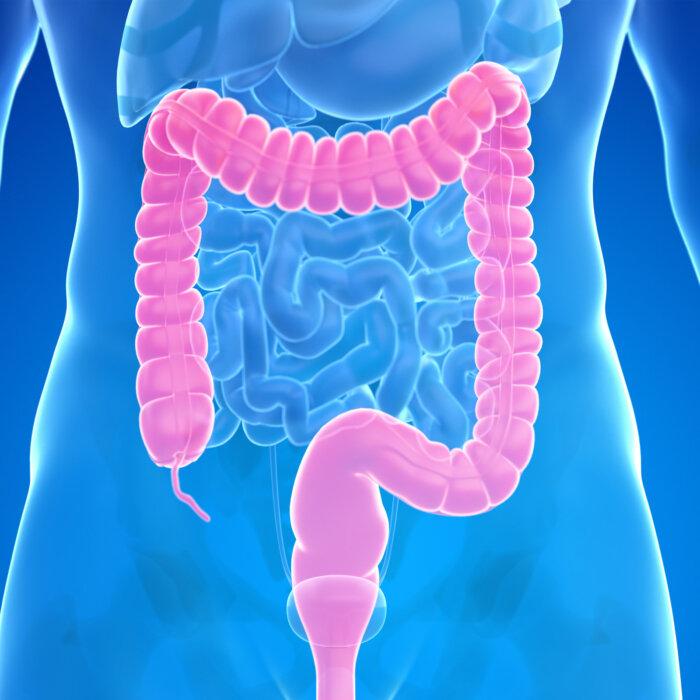
Ulcerative colitis, which affects an estimated 1 million Americans, causes swelling, irritation, and ulcers in the large intestine. It’s one of two types of inflammatory bowel disease (IBD). The other is Crohn’s disease, which causes similar issues along the digestive tract.
Why Coconut Water May Work
Research published in 2024 in Clinical Gastroenterology and Hepatology found that more than half of ulcerative colitis patients who drank coconut water twice daily achieved remission within eight weeks—nearly double the rate of those who drank a placebo.Coconut water’s effectiveness likely stems from multiple mechanisms.

The anti-inflammatory and antimicrobial properties of coconut water may soothe irritation in the gut lining. Patients who drank coconut water showed improvements, as measured by endoscopies, inflammatory markers, and microbiota composition, the authors wrote.
The beverage also appears to reshape the gut microbiome, increasing beneficial microbes while decreasing harmful ones.
“We do know that food can change the microbiome within just two to three days of changing our diet,” Oswald said. “Knowing that coconut water can influence diseases makes it really worth trying for people struggling with these diseases to switch to eating real, whole foods. And they could have some coconut water as a part of a nutrition plan.”
Those who drank coconut water in the study also had a significant uptick in macronutrients—protein, fat, and carbohydrates—as well as potassium and fiber by the end of the eight-week period.
Power of Potassium
Coconut water is a rich source of potassium—one cup rivals a medium-sized banana’s potassium. The essential mineral is often depleted in those with ulcerative colitis because of diarrhea, certain medications, and colon inflammation that slows down absorption of minerals and fluids. Replenishing it can be a strategy for managing the disease.Dehydration is something for ulcerative colitis patients to be mindful of, particularly during disease flares. Medications such as corticosteroids and some immunosuppressants can cause increased urination that may affect bodily fluids. Blood loss from bloody stools may also contribute to fluid and electrolyte imbalances.
The authors of the 2024 Clinical Gastroenterology and Hepatology study said their results were similar to those in a randomized clinical trial that examined the effects of fecal microbiota transplantation alongside anti-inflammatory diets in patients with mild to moderate ulcerative colitis.
For ulcerative colitis patients and others dealing with inflammatory conditions, coconut water represents what Oswald calls a worthwhile experiment—an accessible, low-risk addition to a broader nutrition plan that acknowledges food’s power to influence disease.