Causes and Symptoms of Cardiovascular Diseases
In modern medicine, blood lipids are generally categorized into three types: low-density lipoprotein (LDL), high-density lipoprotein (HDL), and triglyceride. LDL transports cholesterol from the liver to various tissues through the bloodstream. HDL, on the other hand, transports cholesterol from the bloodstream back to the liver.High levels of LDL in the blood can lead to excessive cholesterol accumulation on the inner walls of blood vessels, causing the vessels to be hardened or blocked. As a result, it increases the risk of stroke, heart attack, or sudden death. Elevated triglycerides can result in similar consequences.
Chen mentioned that while some people develop cardiovascular diseases due to genetic factors, many other cases are attributed to unhealthy lifestyles. Excessive consumption of fried foods, offal, sweets, and high-sodium foods can lead to elevated levels of LDL in the blood, gradually hardening blood vessels. Additionally, obesity is also one of the leading causes of cardiovascular disease. For every kilogram of weight gained from one’s standard weight, the heart requires an additional two kilometers of blood vessels just to supply the body with oxygen and nutrients, putting extra strain on the heart.
Mr. Chen explained that poor blood circulation can potentially lead to a stroke. A hardened carotid artery can result in inadequate blood flow to the brain, causing dizziness and blurred vision when getting up in the morning. It could also affect steering control while driving, increasing the risk of accidents. If the blockage happens in arteries in the limbs, it can cause numbness in the hands and feet, bloating, and chest tightness.
He recalled, “I have seen many cases, including one of my medical school students, who complained of sudden diarrhea and hoarseness in the voice without any apparent cause. I advised him to undergo relevant heart examinations, and to my surprise, the tests revealed a myocardial infarction (heart attack). He immediately received a stent, which alleviated his pain.”

- Distinct horizontal wrinkles on the earlobes.
- Skin folds or wrinkles resembling the Chinese character 井.
- Purple discoloration on the edge of the tongue.
- Engorged veins under the tongue.
- Bruises dotting the body.
- Numbness in the ring or little finger of the left hand.
4 Acupoints for Natural Symptom Relief
Mr. Chen introduced four acupoints that, when pressed, can enhance the flow of qi and blood, thus improving cardiovascular function.According to traditional Chinese medicine (TCM), meridians are the channels through which energy flows in the human body. They are responsible for transporting qi and blood throughout the body, fundamental substances that constitute and sustain human life.
The internal organs are connected to various parts of the body through these meridians. Along the meridians are specific points known as acupoints, often places where nerves and blood vessels converge. By stimulating the corresponding acupoints through techniques like acupuncture and massage, it is possible to treat diseases related to specific organs.
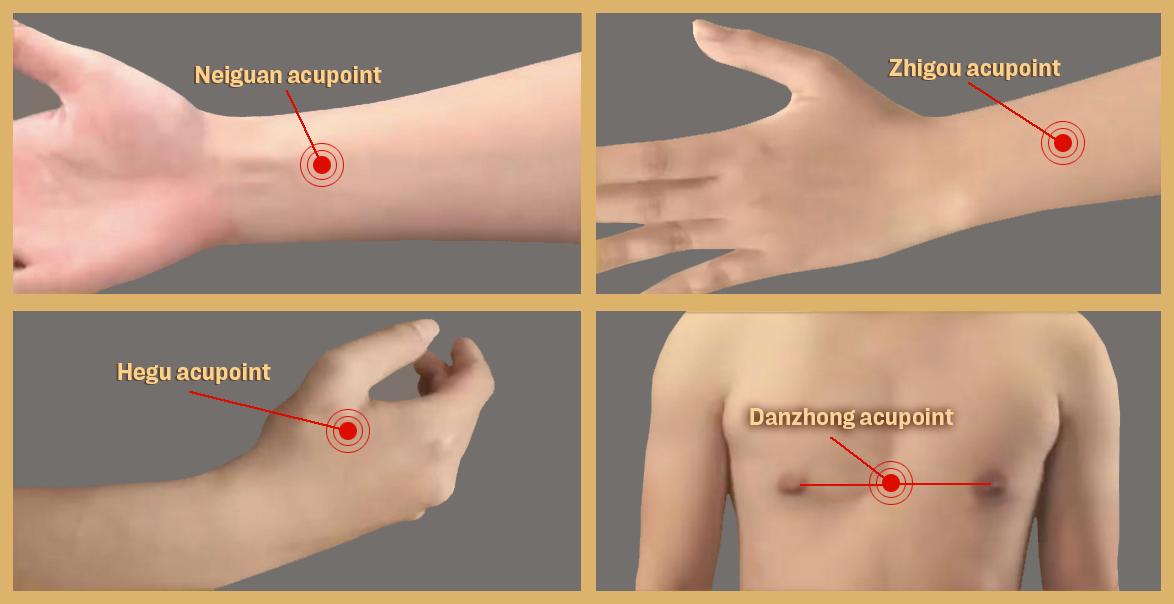
For chest tightness, press the Neiguan acupoint located on the inner side of the forearm, about three finger widths above the wrist crease. Taking deep breaths while pressing the acupoint can improve mood and chest discomfort.
For poor digestion and abnormal bowel movements, press the Zhigou acupoint located on the backside of the forearm, about four finger widths above the wrist crease, between the ulna and radius bones. This can help improve intestinal peristalsis and blood circulation.
For neck stiffness or headaches, press the Hegu acupoint located between the thumb and index finger, which can help clear one’s head and improve one’s vision.
There is a Danzhong acupoint right in between one’s breasts. Pressing this acupoint can help promote smooth breathing.
Exercise and Breathing Techniques for Cardiovascular Disease Prevention
Mr. Chen stated that slow walking holds little significance in preventing cardiovascular disease. Instead, he recommends brisk walking or jogging for approximately 40 minutes to one hour each session. Mr. Chen himself walks 7,700 steps every day, which significantly improves blood circulation. Interestingly, he does not advocate mountain climbing as an exercise for cardiovascular disease prevention due to its potential adverse effects on people with degenerative arthritis.Subjects who walked approximately 4,400 steps per day experienced a significant 41 percent reduction in mortality rate compared to those who walked only 2,700 steps per day. The mortality rate continued to decrease with higher step counts, leveling off at approximately 7,500 steps per day.
- First, inhale through your nose until you reach your limit.
- Exhale slowly through your mouth until you cannot exhale any further.
- Repeat the process.
Dietary Remedy for Angina: Lean Pork and Sanqi Powder
People with cardiovascular disease must be mindful of their diet. Mr. Chen recommended a medicinal recipe incorporating the Chinese herb Sanqi (Panax notoginseng) for severe conditions like angina and myocardial infarction. This remedy promotes blood circulation, dispels blood stasis, stops bleeding, and alleviates pain.10 Heart-Healthy Foods
Mr. Chen recommended the following 10 foods for cardiovascular health and explained what each does:- Hawthorn aids in digestion.
- Black fungus promotes blood circulation and prevents the accumulation of blood lipids.
- Oats lower blood sugar, blood pressure, and cholesterol while cleansing blood.
- Garlic promotes blood circulation and lowers low-density lipoprotein (LDL).
- Onion possesses anticoagulant properties.
- Chayote shoots promote blood circulation, enhance heart and kidney functions, and boost the immune system.
- Spinach nourishes blood, as it is rich in iron.
- Walnuts protect cerebral vessels and increase dopamine levels in the brain.
- Chinese yam regulates gastrointestinal function.
- Varieties of fruit vinegar, such as apple, pineapple, and peach, contain amino acids that can soften blood vessels and increase vascular elasticity, thus preventing cardiovascular diseases.