Patients receiving chimeric antigen receptor T-cell (CAR-T) therapy to treat blood cancer have a low risk of developing additional blood cancers from such treatments, according to a Stanford Medicine study published Thursday in the New England Journal of Medicine (NEJM).
CAR-T therapy is a type of cancer therapy for blood cancers that do not respond well to standard treatments. T immune cells are extracted from patients, genetically modified to make them better cancer fighters, and then returned to the patient’s body.
Since CAR-T therapy involves a genetic change to patients’ T-cells, some researchers have speculated that such modification may cause T-cell cancers.
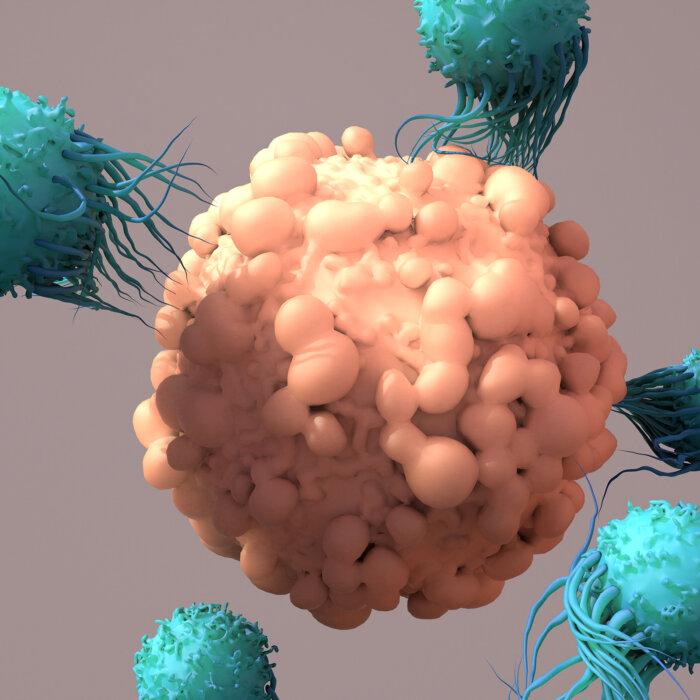
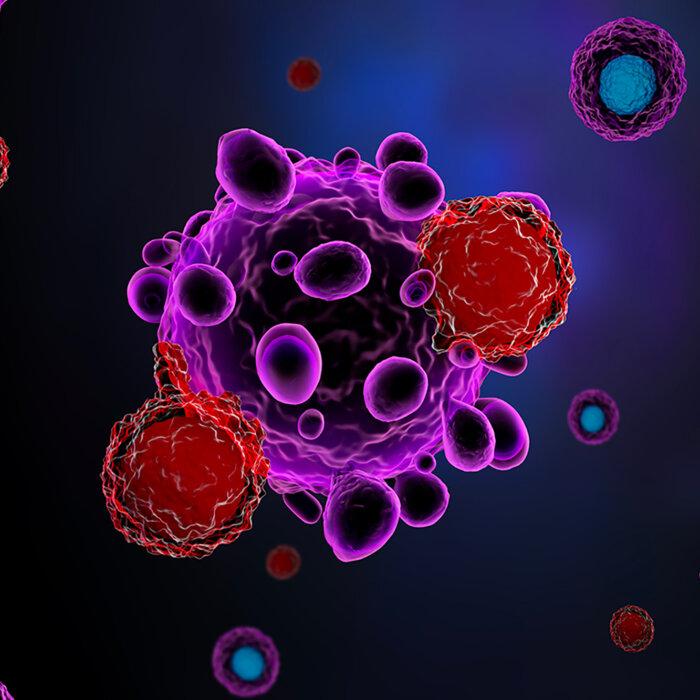
This new Stanford Medicine study indicates patients are at a low risk of additional T-cell and other blood cancers from CAR-T therapy. The researchers also found no evidence that the gene modification contributed to secondary cancers.
Researchers examined data from 724 patients who received the therapy between 2016 and 2024 and found that only one patient developed T-cell lymphoma. The incidence of all secondary blood cancers over three years was 6.5 percent.
According to the study, the 6.5 percent incidence rate was comparable to the rate of secondary cancers in patients who received other cancer therapies instead of CAR-T therapy, such as stem cell therapy.
The Rare Case
“We wanted to understand this one rare case, so we analyzed all the patients treated with CAR-T cell therapy,” Dr. Ash Alizadeh, a professor of medicine, oncology, and hematology at Stanford University, said in a news release.Dr. Alizadeh said the research team compared protein levels, RNA sequences, and DNA from single cells across multiple tissues and time points to see if the therapy caused the secondary cancer.
The research team determined that CAR-T therapy did not cause the T-cell lymphoma because the cancer T-cells and the T-cells from CAR-T therapy were genetically and molecularly different.
Further investigation showed that both sets of the patient’s T-cells had become infected with the Epstein-Barr virus, which is known to have a role in cancer development.
“It was already brewing in their body at very low levels,” Dr. Alizadeh said.
The research team also found the patient had a history of autoimmune disease in the years before their cancer diagnosis. The outcome of the analysis suggests that secondary cancers from CAR-T therapy may develop if patients have a low baseline immune status, which gets further suppressed as a consequence of treatment.
Certain blood cancers can also put a person at risk of T-cell lymphoma, the authors wrote. B-cell lymphomas, which can be treated using CAR-T therapy, elevate a person’s risk of developing secondary T-cell lymphomas.
Furthermore, administration and activity of CAR T-cells can cause inflammation, which, when combined with immunosuppression, may contribute to the development of secondary cancers, the authors wrote.
“These results may help researchers focus on the immune suppression that can precede and often follows CART cell therapy,” Dr. David Miklos, another senior author of the study, said in the news release. ”Understanding how it contributes to cancer risk is particularly important as the CAR-T cell field pivots from treating high-risk, refractory blood cancers to lower risk, but clinically important, disorders including autoimmune diseases.”
Dr. Alizadeh and his fellow researchers said that the FDA’s black-box warning for the therapy could prevent patients and physicians from pursuing a treatment that could save lives.
“These are lifesaving therapies that come with a very low risk of secondary cancers. The challenge lies in how to predict which patients are at higher risk and why,” he said.