Melody’s exterior transformation—from 300 pounds to 130 pounds over several years—masked an inner turmoil that belied her seemingly healthy-looking appearance.
She experienced severe bouts of nausea and vomiting, so severe that she couldn’t sleep, sit still, eat, or leave the house. Her only relief came from hot baths and smoking cannabis, known for its anti-nausea effects.
A dental assistant, Melody was fired from two jobs as her episodes—lasting about 15 hours each—increased from twice a month to twice a week. The episodes started with nausea and progressed through phases of pain, panic, and relentless vomiting or retching.
Multiple gastrointestinal (GI) tests, including scopes, revealed nothing. At one point, she was taking four medications—Zofran, Ubrelvy, Phenergan, and Hydroxyzine—although none provided relief.
“It was literally so bad in the mornings that I would cry when my feet hit the ground,” Melody told The Epoch Times. “When I was in a full-blown episode, I couldn’t carry on a conversation.”
Doctors told her that cannabis was causing her problems, but they didn’t offer an explanation as to how. And she didn’t believe it—until Dec. 2, when her office manager found her passed out on the floor at work. Melody took another trip to the emergency department.
“When I started reading Facebook comments on different things people with CHS had experienced, I was like: ‘Oh my gosh. That’s exactly what it was, and that’s why none of the tests and nothing else worked,’” Melody said, adding that her drastic improvement quashed temptations to use cannabis.
Poorly Understood
CHS is not well understood, even among health care workers, yet cases are rising. Complicating the diagnosis is its overlap with various conditions, including some linked to cannabis use, and contradictory science that shows that cannabis is helpful in alleviating the very symptoms it causes.As a result, many people deny that CHS is a real condition, according to Cassin Coleman, a scientific consultant and chair of the scientific advisory council for the National Cannabis Industry Association, a lobbying group representing the legal cannabis industry.
Identifying CHS
The American Gastroenterological Association (AGA) describes CHS as a subtype of cyclical vomiting syndrome, a debilitating and potentially dangerous condition characterized by nausea, vomiting, and lethargy lasting from an hour to 10 days.- Episodic vomiting that mimics cyclical vomiting, with at least three episodes annually
- Cannabis use for at least one year, averaging more than four times a week
- Symptom resolution within six months of discontinuing cannabis—or after three typical vomiting cycles for that patient
Who Is at Risk?
Some sources describe CHS as affecting only those with heavy, prolonged marijuana use. That can be misleading, as terminology is vague, according to Codi Peterson, a pediatric pharmacist and cannabis science expert.As early as two years after cannabis was legalized for recreational use in California in 1996, hospitals experienced an influx of teenage patients complaining of abdominal pain, nausea, and vomiting, Peterson told The Epoch Times.
“We were finding out everything else was normal, and it might be related to cannabis,” he said, adding that young patients aren’t always honest about their cannabis use.
Treating CHS
From a medical perspective, treatment for CHS varies depending on whether a patient visits an emergency department or a doctor in an outpatient clinic.Medical Treatments
Specific treatments might be offered, although they are based on limited evidence and small trials. These may include:- Topical capsaicin (a chemical compound derived from chili peppers), which mimics the heat relief from showers and baths
- Benzodiazepines (e.g., Valium, Xanax, Klonopin) to reduce anxiety and promote relaxation
- Haloperidol, an antipsychotic that helps with anxiety and irritability
- Promethazine, an antihistamine (anti-allergy) drug that may help with nausea and vomiting
- Olanzapine, an antipsychotic that helps with agitation
- Ondansetron, an antiemetic (anti-nausea medication) often prescribed for chemotherapy-related nausea
Dealing With Depression and Anxiety
Melody was using cannabis to avoid the harm of pharmaceuticals when she developed CHS. She had smoked marijuana in the past but had quit for several years. After a stressful divorce and a stint on antidepressants, she decided to try a cannabis product without tetrahydrocannabinol (THC), which can have psychoactive and intoxicating effects.According to the study authors, the high rate of anxiety and depression among CHS patients is consistent with previous findings that dopamine antagonists, such as haloperidol and benzodiazepines, are more effective for treating symptoms than standard anti-nausea medications.
Quitting Cannabis
Cannabis cessation is the only proven strategy for successful CHS treatment, although it could be accompanied by withdrawal symptoms and, if done without support, often results in relapse.True CHS recovery happens only when you abstain from using cannabis, Peterson said. For some, however, the temptation to reach for cannabis to help them find immediate relief often outweighs the benefits of getting beyond withdrawal.
“It’s this very confusing thing where the cannabis is causing but helping to numb out the GI effects,” he said.
The 2023 Annals of Emergency Medicine study, which highlighted the high rates of anxiety and depression among CHS patients, also illustrated the complexity of quitting cannabis. Among the 39 people seeking help for CHS in a Rhode Island emergency department, 79 percent had previously tried to stop using cannabis, but only 13 percent had sought treatment.
The study also pointed out that there aren’t any pharmaceutical solutions for cannabis cessation, making it hard for doctors to offer support.
What Causes CHS?
The exact cause of CHS is unknown. There could be a mix of genetic factors, the more highly concentrated forms of cannabis on the market, and usage patterns all intermingling, according to experts.- There is no accurate way to measure dosage.
- The potency of the product and frequency of use confound dosage estimates.
- Cannabinoids can build up and remain in the body’s fat stores for days or weeks after last use.
- Plant strains and the potency of their chemical ingredients vary widely.
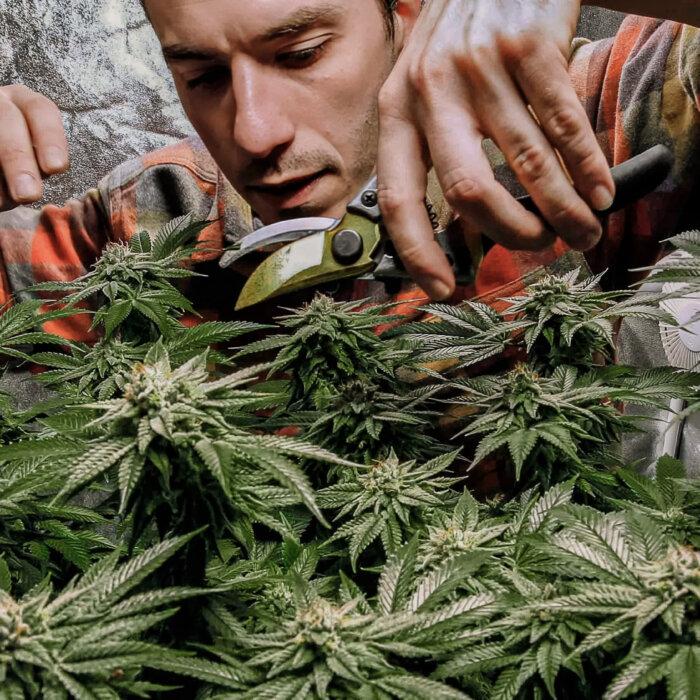
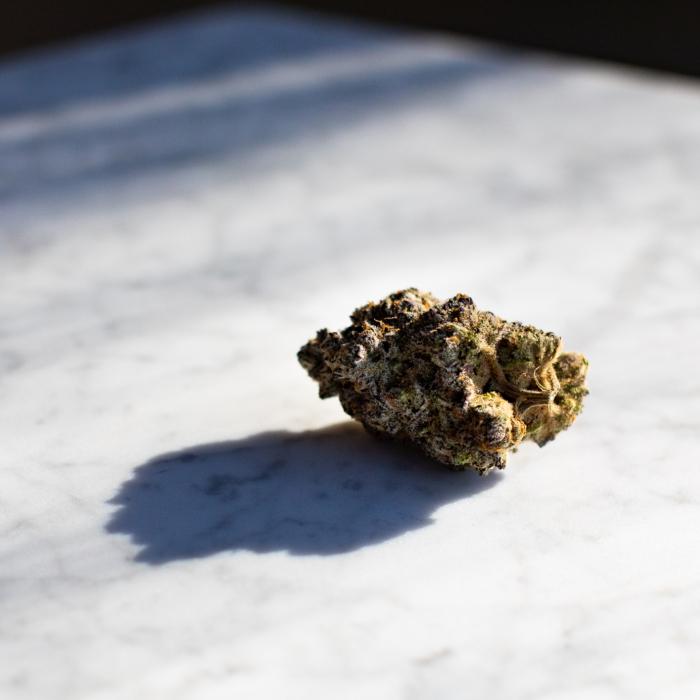
Cannabis products have become more potent in recent years since they’ve become commercially available, according to Peterson. Some have suggested that GI problems could be caused by pesticides. However, backyard cannabis growers have also developed CHS after exposure to organic variations.
Some CHS patients have also questioned whether their cannabis use could be secondary to other factors.
Is CHS an Unfair Label?
It seems possible that some health care providers may be cloaking a number of problems under the CHS umbrella because cannabis use disorders aren’t well understood, and cannabis seems a likely target.The analysis also found that patients want thorough testing to rule out other issues, such as cholecystitis (inflammation of the gallbladder), and diagnostic assessments to determine if their reaction to cannabis stems from an underlying condition.
More research is needed to determine who is at specific risk for CHS and how dosage plays a factor.
“I think we have a long way to go in educating doctors that have been around for a while,” Coleman said.
“My wife has MS. She needs cannabis to help with muscle spasms and other things. I can’t tell you how many times we will go to a doctor when we move, and they say, ‘No, you’re a drug addict. Get out of my office.’ They don’t even want to interact with her,” he said.
Experts emphasize the importance of informed consent, ensuring that patients understand the risks and benefits of an unregulated medicine such as cannabis. Because of its federal status and stigmatization, cannabis use rarely gets a full risk analysis in doctor-patient relationships.
Peterson hopes that researchers will develop a scoring system that might alert cannabis users and health care professionals to identify whether CHS is causing their GI symptoms.
Just because cannabis use can cause GI symptoms doesn’t make it bad, Peterson said. But like other medications, it is not devoid of adverse effects.
“The pendulum of prohibition swung back so hard that we’ve got on this train of thought that you can have as much as you want, and there’s no consequences,“ he said. ”We find over and over in this world the truth is in the middle.”