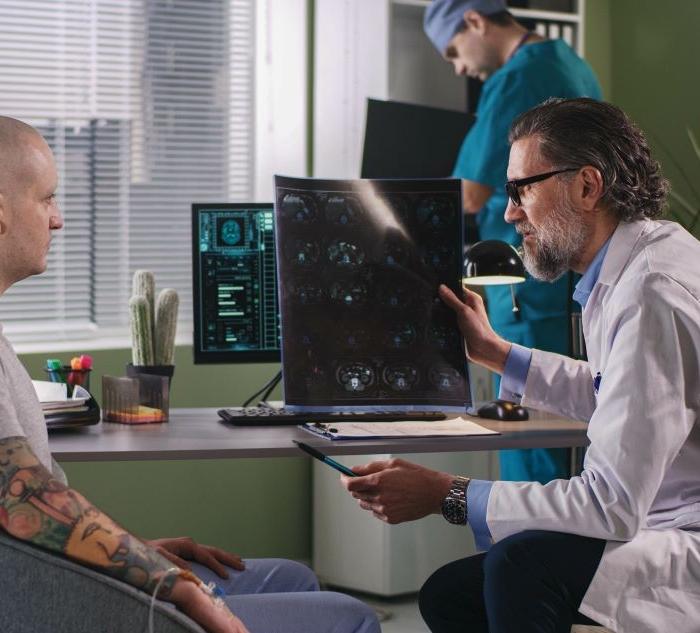
For many battling cancer, clinical trials can represent a beacon of hope—offering access to novel medications and frequent monitoring. This perceived benefit, known as the “trial effect,” has led doctors and patients alike to believe that participating in trials can improve health outcomes and extend lives.
Cancer Trial Survival Edge Disappears in Rigorous Analysis
The systematic review and meta-analysis, published in the Journal of the American Medical Association, analyzed data from 39 research papers between 2000 and 2022. The papers compared survival rates of cancer patients enrolled in clinical trials with survival rates of those receiving standard routine care, totaling 85 such comparisons.At first glance, the analysis appears to support the idea that clinical trials lead to better survival, known as the “trial effect.” Overall, cancer patients enrolled in trials demonstrated greater survival rates than those receiving standard care.
Yet, as the researchers dug deeper, the purported advantage began to crumble. When they focused solely on high-quality studies adhering to rigorous methodological standards, the survival benefit associated with trial participation became statistically insignificant. Furthermore, after adjusting for potential publication bias, which causes positive findings to be more likely to be reported, the perceived edge disappeared.
Historical evidence from the 1990s had reported inconsistent signs that clinical trials could improve patient survival rates. While clinical trial practices have evolved over the past 30 years, with improved patient monitoring and greater inclusivity, these changes may not actually influence survival rates for participants, according to the authors. Recent studies vary greatly in how well they account for factors that could falsely suggest a survival benefit from trials.
For instance, the perceived survival advantage of trial participation could simply be due to trials selectively enrolling patients with better prognoses to begin with, rather than stemming from the closer monitoring itself. By failing to properly control for this “patient selection bias,” which makes healthy people more likely to make it into trials, studies may be overestimating any real survival gains from participation.