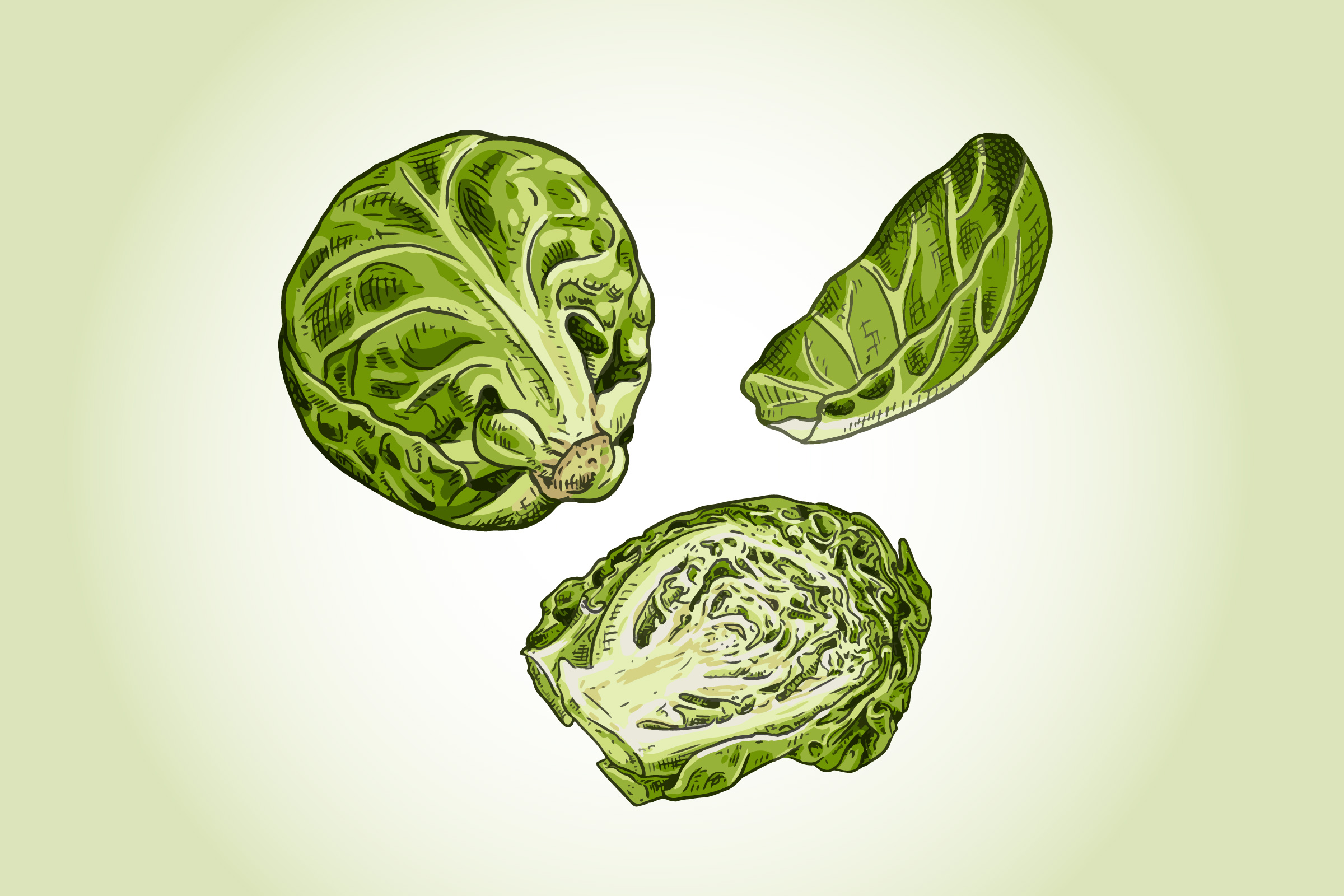
Few foods divide people like Brussels sprouts—you either love them or you don’t.
Their bitter flavor can make them contentious. Brussels sprouts are high in sulfur, which gives them a slightly bitter taste and a strong aroma. Scientists have discovered that some people have a genetic variation that makes them more sensitive to this bitterness.
“Only about 50 percent of the population has the gene to perceive their bitter taste,” Marysa Cardwell, a registered dietitian, told The Epoch Times. Meanwhile, others experience a bitter flavor from overcooking.
Regardless of how you feel about their flavor, there is no denying that these tiny vegetables are like a nutritional tsunami, offering a range of health benefits that make them a perfect side for your Christmas table—a tradition that has grown popular over the years.
Key Nutrients
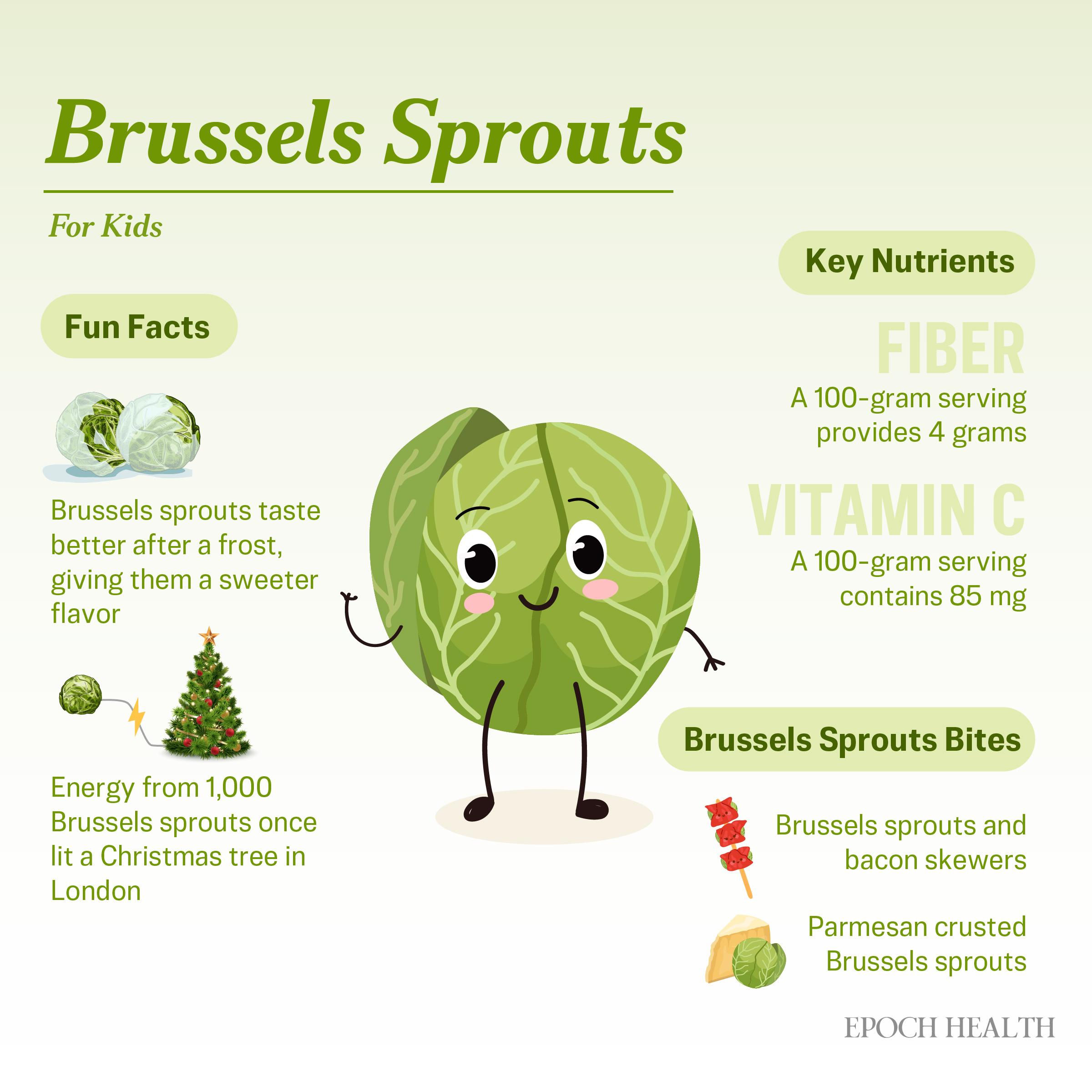
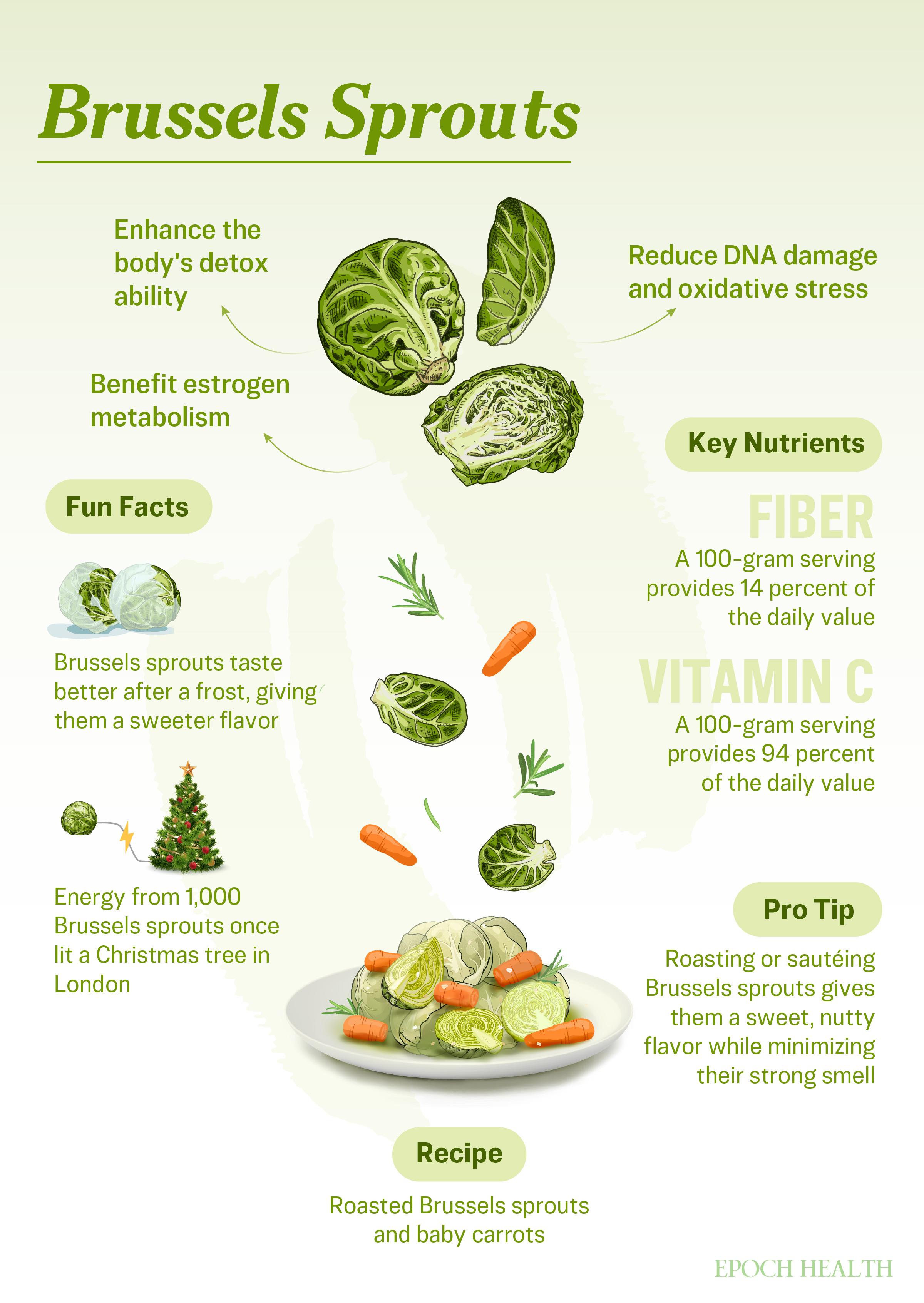
- Fiber: A 100-gram serving of Brussels sprouts contains 4 grams of fiber—14 percent of the daily value adults need.
- Vitamin C: A 100-gram serving contains an impressive 85 mg of this crucial vitamin, or 94 percent of the daily value we need. In fact, one cup of Brussels sprouts contains more vitamin C than an orange.
- Vitamin K: Brussels sprouts contain 177 mcg per 100-gram serving, exceeding the daily requirement—providing 148 percent of the daily value.
- Folate (B9): A 100-gram serving provides 61 mcg, or 15 percent of our daily needs.
Health Benefits
Enhance Our Bodies’ Detox Ability
Brussels sprouts are a type of cruciferous vegetable and are also glucosinolate-rich. A defining feature of Brussels sprouts—and cruciferous vegetables in general—is their pungent, slightly bitter taste, which comes from sulfur-containing compounds called glucosinolates.Glutathione S‑transferases (GSTs) are a family of detoxification enzymes that the body produces to help neutralize and eliminate harmful compounds, including carcinogens. This is one reason why eating cruciferous vegetables, such as Brussels sprouts, is often linked to a lower risk of certain cancers.
In the study, 10 healthy men ate a diet free of glucosinolate-containing foods for three weeks. After three weeks, half continued the same diet while the other half ate 300 grams of cooked Brussels sprouts daily. Blood samples were taken before and after the intervention.
The scientists found that in the control group, GST-alpha levels remained unchanged, whereas in the Brussels sprouts group, GST-alpha levels increased by 40 percent.
Reduce DNA Damage and Oxidative Stress
Research has shown that Brussels sprouts can reduce oxidative DNA damage in humans.The men who ate 300 grams of Brussels sprouts daily saw a reduction in 8-oxodG levels, a chemical released from DNA when it is stressed and damaged.
Another study found that eating Brussels sprouts protected cells from PhiP, a harmful compound formed when meat is cooked at high temperatures.
The researchers found that eating Brussels sprouts made cells more resistant to PhiP, and that after ingestion, PhiP levels dropped by 97 percent. The sprouts also reduced oxidative stress, with hydrogen peroxide-induced DNA damage dropping by 39 percent.
Benefit Estrogen Metabolism
Cruciferous vegetables such as Brussels sprouts also affect hormones through compounds called indoles, which are known to alter estrogen metabolism in ways thought to be beneficial, such as reducing breast cancer risk.They found that the IC3 significantly increased the amount of estrogen processed through a specific pathway—from approximately 29 to 46 percent. This pathway is considered a more protective and less carcinogenic way for the body to break down estrogen.
Additional Benefits
Brussels sprouts are rich in vitamins A and C, and contain lutein and zeaxanthin—all important for the health of our eyes. Lutein and zeaxanthin help protect the retina from damage, improve vision, and reduce the risk of developing cataracts and age-related macular degeneration.How to Increase Absorption
Otherwise, Cardwell recommends roasting, steaming, or sautéing to improve their flavor. Additionally, it helps preserve nutrients, making them more easily absorbed.
“Pairing them with a good fat source when you cook them (olive oil, tallow, etc.) will help your body absorb vitamin K,” Jennifer Kling, a registered dietitian specializing in functional medicine, told The Epoch Times.
Optimal Storage
“The best way to store them is in a glass container in the fridge, unwashed and uncut—so keep them in their whole form,” Kling said. “It can also help to store them in a ventilated bag lined with a paper towel to prevent browning. Blanching vegetables before freezing is also a great way to preserve them.”
Pro Tips
- Don’t wash Brussels sprouts before storing them in the fridge, as the moisture can cause them to spoil more quickly. Save washing until right before cooking.
- A quick rinse under cold water or soaking sprouts in a bowl is enough to remove dirt. Be sure to dry them thoroughly before cooking for optimal texture.
- Although Brussels sprouts will last one to two weeks in the fridge, they are best eaten within three to four days of purchase, as their natural sweetness diminishes over time.
- Some stores sell Brussels sprouts still attached to the stalks, which helps preserve their moisture and freshness.
- Carving an X in the bottom of the stem helps them to cook more evenly.
- Roasting or sautéing Brussels sprouts gives them a sweet, nutty flavor while minimizing the strong smell caused by their sulfur content, which intensifies with longer cooking. Boiling, on the other hand, can make them taste bitter and mushier, especially if prolonged.
Precautions
Brussels sprouts contain compounds that can speed up liver metabolism, which may cause certain medications—especially those processed by glucuronidation, such as acetaminophen, statins, sedatives, estrogen, and some cancer drugs—to break down faster and become less effective. If you are taking any of these medications, or blood-thinning medication such as warfarin (Coumadin), speak with your health care provider before adding Brussels sprouts regularly to your diet.
In addition to their effect on medications, Brussels sprouts can affect digestion for some people.
“Some people with IBS or other digestive issues may find that Brussel sprouts are hard to digest,” Kling said. “They contain fructans (chains of fructose molecules) that can be hard for some individuals’ small intestines to break down, and fructans are easily fermented by gut bacteria.”
Recipe
Roasted Brussels Sprouts and Baby Carrots
Ingredients- 4 cups (1 pound) Brussel sprouts (smaller size is best or cut large in half), wash and trim ends
- 2 cups baby carrots, washed and trimmed ends
- 1 lemon, fresh (or 1 to 2 tablespoons lemon juice)
- 2 tablespoons melted butter or coconut oil
- 1 tablespoon garlic, minced
- 1 tablespoon rosemary, fresh is best
Fun Facts
- Brussels sprouts get their name from the fact that they were widely cultivated around Brussels, Belgium, in the 16th century.
- In 2013, a team of scientists and local schoolchildren used the energy from 1,000 Brussels sprouts to light a Christmas tree on London’s Southbank.
- Brussels sprouts taste better after a frost as the cold converts starches into sugars, giving them a sweeter, richer flavor.
- In Britain, Brussels sprouts are a traditional Christmas vegetable, often served as part of the holiday dinner.
Brussels Sprouts for Kids
“My kids absolutely loved Brussels sprouts when they were toddlers and now as older kids. I roast my Brussels sprouts in a generous amount of avocado oil, salt, and ranch powder, and my kids—and adults—love it,” Cardwell said. “Sometimes, for added fun, we will drizzle with some balsamic sauce afterward.”
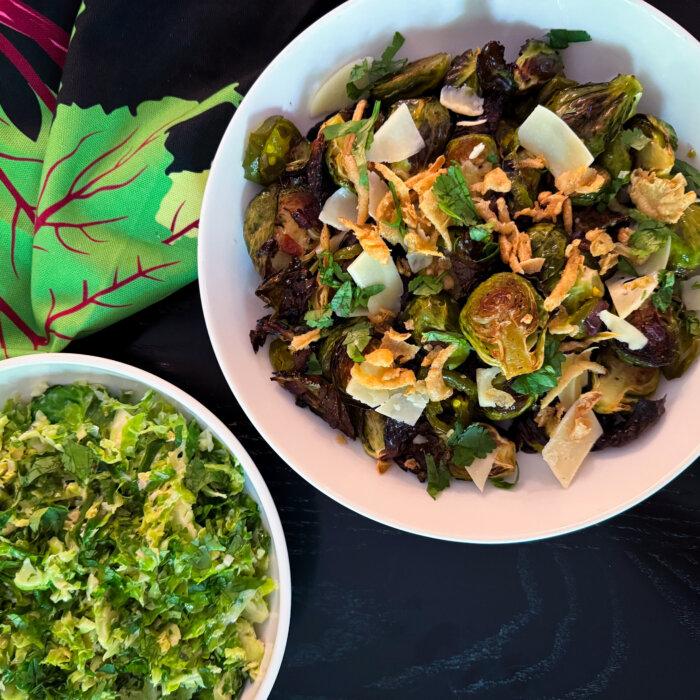
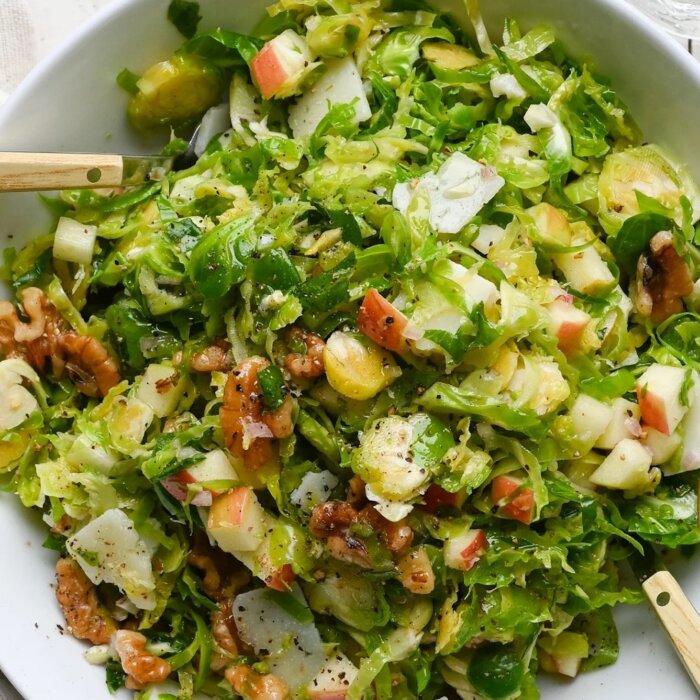
Below are some more yummy, kid-friendly recipes.