Just as it’s easy to get used to eating too much, too often, it’s common to breathe too much air, too fast.
It’s not calming to “take a deep breath.” In fact, some of your best breathing is very light. If you’ve ever meditated and reached a deep state of calm, you may have noticed that you hardly seem to be breathing at all.
Nose breathing is significantly different from mouth breathing. Open mouth breathing doesn’t “get more oxygen in.” Fortunately, you can learn to breathe better, and you don’t have to be an experienced yogi to practice breathing exercises.
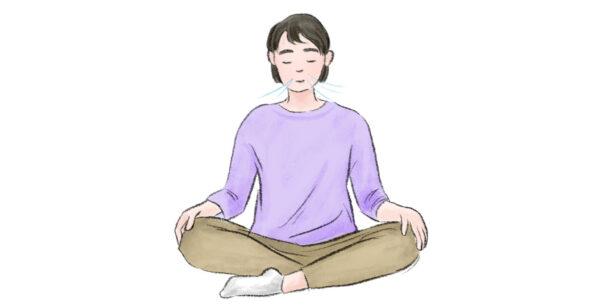
Healthy Breathing Is:
Light and silentSlow
Deep, low, and from your diaphragm
Through your nose
Linda Zhao for Radiant Life
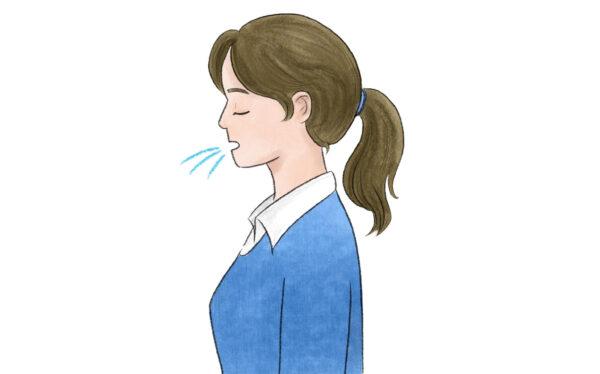
Mouth Breathing:
Contributes to stress, a common risk factor for 75% to 90% of human diseases.Makes sleep apnea much worse. With sleep apnea, you’re 1.9 times more likely to die and 2.65 times more at risk of heart-related mortality.
In children, mouth breathing causes problems with facial growth, brain health, and behavior.
More than 90% of children with crooked or misaligned teeth have compromised nasal breathing, meaning they mouth-breathe some of the time; this is no coincidence.
Linda Zhao for Radiant Life
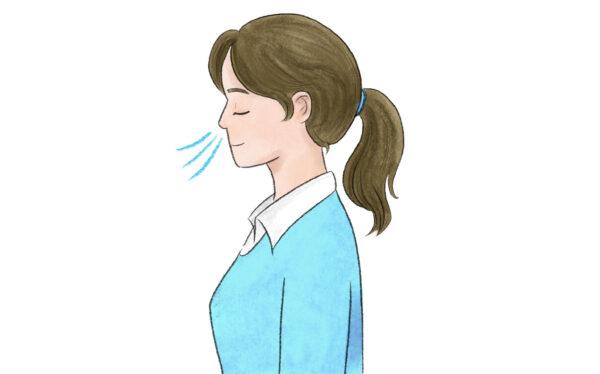
Nose Breathing:
Lessens asthma symptoms by up to 70%, meaning sufferers need less medication.Filters, warms, and humidifies air before it reaches the lungs.
Strengthens the diaphragm, meaning less risk of injury and back pain.
Increases oxygen uptake by 10% to 20%.
Supports the immune system against viruses and allergens.
Reduces stress and improves sleep quality for a longer, healthier life.
Linda Zhao for Radiant Life
Common Causes of Problem Breathing
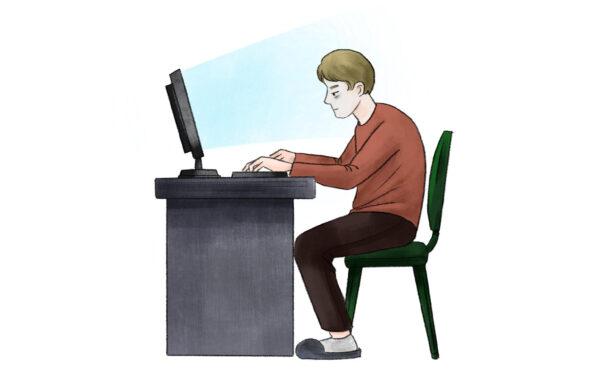
- If you spend all day sitting in front of a computer, it’s likely you slump. This squashes your diaphragm, forcing you to chest-breathe.
- Lifestyle choices like overeating and lack of exercise can unbalance your breathing.
- Mental and emotional distress triggers hard, fast breathing that makes you more anxious. This perpetuates unhealthy breathing.
Linda Zhao for Radiant Life
When Should You Practice Nose Breathing?
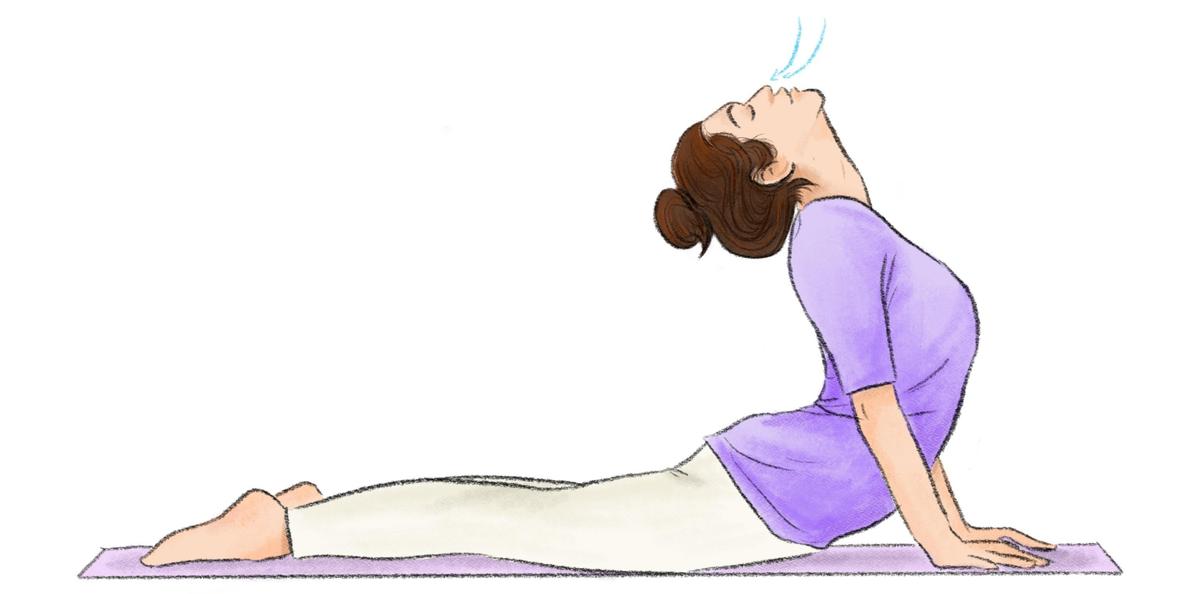
During exercise: Nose breathing prevents exercise-induced asthma, and improves breathing efficiency, speed, and stamina.During yoga: Breathing is integral to asana and meditation practice. As Robin Rothenberg explains in her excellent book “Restoring Prana,” ancient yogis knew the importance of subtle breathing. Nose breathing during asanas reduces injury risk and promotes mental focus.
At night: Nose breathing stops snoring, sleep apnea, and insomnia. You’ll experience less daytime fatigue, and better energy and well-being.
When you’re concentrating: When you’re at work, watching TV, or driving, it’s common to open the mouth to breathe. Remember to check your kids’ breathing when they’re focused on a screen, doing homework, or playing.
Linda Zhao for Radiant Life
This article was originally published in Radiant Life magazine.