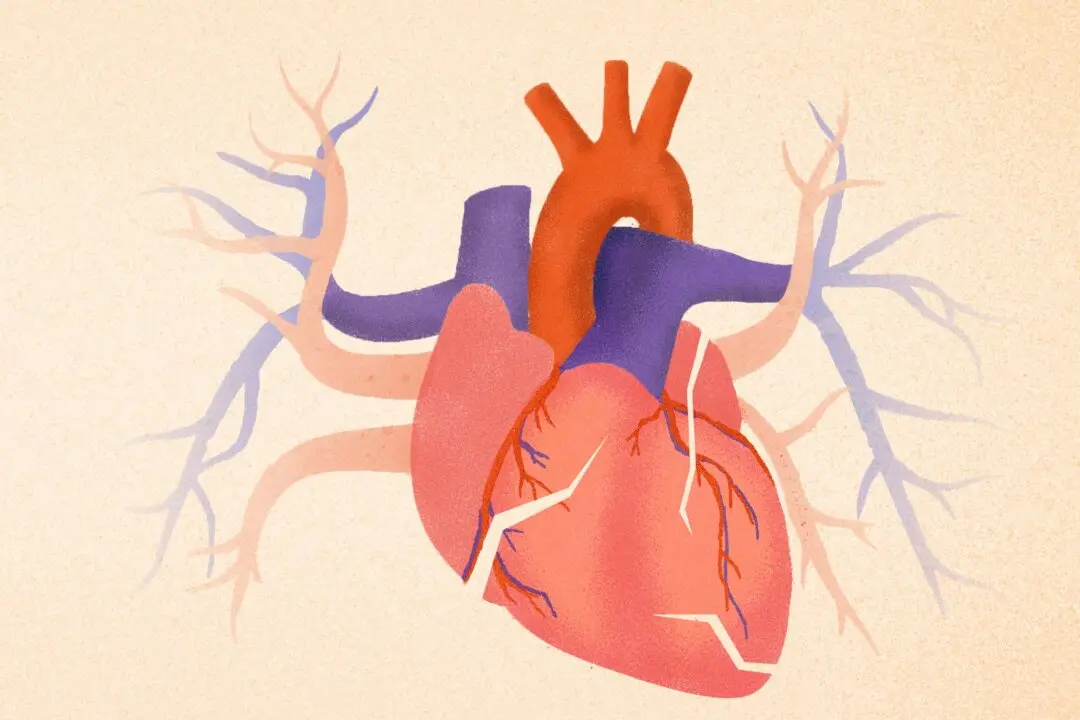
Each year in the United States, about 805,000 people experience heart attacks, typically preceded by heart disease. On average, someone has a heart attack every 40 seconds. But it’s not always clear when a heart attack is happening.
In this article, we will delve into the atypical symptoms of heart disease and heart attacks that are often overlooked. We will also explore heart disease risk factors and effective strategies for preventing and reducing the risk of heart disease and subsequent heart attacks.
Primary Causes of Heart Attacks
Generally speaking, the primary cause of a heart attack is ischemia of the coronary arteries, known as coronary heart disease. This condition results from damage to blood vessel walls caused by factors such as high blood pressure, high blood sugar, and chronic inflammation. This damage leads to the accumulation of substances like cholesterol and platelets on the inner walls of the vessels, forming plaques that block or narrow the coronary arteries. Consequently, there is an insufficient oxygen supply to the heart muscle, ultimately triggering a heart attack. In the United States, coronary heart disease is the most common type of heart disease, accounting for over 370,000 deaths in 2022.Additionally, research has shown that women experience a more significant impact than men after a heart attack. Five years post-heart attack, 50 percent of women are likely to face mortality, stroke, or heart failure, compared to only 36 percent among men. Why does this discrepancy exist? It could be due to their conditions being overlooked or the fact that their atypical symptoms are harder to detect.
What are the differences between the common symptoms and atypical symptoms of a heart attack?
Common Versus Atypical Symptoms
Common symptoms of a heart attack typically include chest pain and discomfort, upper body pain, and discomfort in areas such as the arms, neck, and upper abdomen.However, not all heart attacks present with noticeable chest discomfort. Some individuals may only exhibit atypical or subtle symptoms, which can be easily overlooked or misdiagnosed, and these symptoms are more prevalent among women.
Below are five atypical symptoms of a heart attack:
- Silent ischemia: This refers to the absence of any discomfort in the chest or other areas, with signs of myocardial ischemia only being detected during an electrocardiogram or other examinations.
- Jaw pain and toothache: This presents as referred pain from heart disease, a type of pain caused by the nerves associated with the heart.
- Nausea and indigestion: This occurs because both the heart and the gastrointestinal tract are regulated by the autonomic nervous system. Myocardial ischemia can affect the motility and secretion functions of the gastrointestinal tract, leading to indigestion, abdominal discomfort, and nausea.
- Unexplained fatigue: Myocardial ischemia reduces the efficiency of the heart’s function, resulting in a lack of oxygen and energy in the body. This manifests as persistent fatigue and an inability to regain physical strength.
- Cold sweats, dizziness, anxiety, and shortness of breath: These are all warning signs of a heart attack.
Heart Disease: Risk Factors and Prevention
The onset and progression of heart disease are influenced by various factors. Some risk factors, such as age, sex, and genetics, are beyond our control. However, adjusting lifestyle and managing relevant health conditions can mitigate certain factors. In fact, 80 percent of the risk of heart disease is preventable.
In 2022, a cohort study published in JAMA Network Open involving 371,463 individuals revealed a nonlinear, consistent association between various levels of alcohol consumption and an increased risk of hypertension and coronary artery disease. Light alcohol consumption was linked to a modest increase in risk, while excessive alcohol consumption exhibited a significantly exponential rise in risk. The greater the amount of alcohol consumed, the higher the associated risk. This finding should be taken into consideration in health recommendations related to habitual alcohol consumption.
In January 2023, a research report published in the Journal of the American Heart Association revealed that, based on data monitoring of 593,616 American adults, depression is a nontraditional risk factor for cardiovascular disease. Individuals with depression are about twice as likely to develop heart disease than those without depression.
Therefore, it is evident that making adjustments to our lifestyle and addressing relevant health conditions are crucial in preventing cardiovascular diseases. Here are seven recommendations for reducing the risk of heart disease:
- Managing weight: Obesity increases the burden on the heart and is linked to metabolic conditions such as high blood pressure, high blood sugar, and high cholesterol. Maintaining a normal body mass index can lower the risk of heart disease.
- Avoiding smoking: Smoking damages the blood vessel walls, increases blood viscosity, and promotes the development of arterial atherosclerosis. Quitting smoking or avoiding it altogether can improve blood circulation and reduce the burden on the heart.
- Limiting alcohol consumption: Excessive alcohol consumption increases the risk of heart attacks, heart failure, and mortality. Alcohol directly damages cardiac cells and impacts liver function, contributing to metabolic disorders. For men, it is generally recommended not to exceed one or two drinks per day, while women are advised to limit their intake to one drink per day. One drink equals 12 ounces of beer, 5 ounces of wine, or 1.5 ounces of spirits.
- Adopting a healthy diet: It is advisable to avoid high-sugar, high-salt, high-fat, and high-cholesterol foods while incorporating fresh fruits and vegetables into your diet. Choose heart-healthy foods such as those rich in omega-3 fatty acids, fatty fish, and dark chocolate.
- Engaging in regular exercise: Physical activity promotes blood circulation, increases sensitivity to blood sugar, lowers blood pressure and weight, reduces inflammation, and improves cardiac function. It is recommended to engage in at least 30 minutes of moderate-intensity aerobic exercise daily, three to five times a week.
- Managing stress: Stress can stimulate the sympathetic nervous system, causing an increase in heart rate, elevated blood pressure, vascular constriction, and a reduction in the force of cardiac contractions, ultimately leading to an increased risk of heart disease. Therefore, it is crucial to learn effective stress management techniques, avoid excessive worry and anxiety, and engage in relaxing activities such as meditation, mindfulness, and listening to music. Ensuring an adequate amount of sleep and improving relationships with those around you also contribute to stress reduction.
- Addressing underlying conditions: Conditions such as high blood pressure, high blood sugar, high cholesterol, and depression are major risk factors for heart disease. Failing to manage them promptly can accelerate damage to the heart. Therefore, it is essential to undergo regular checkups for indicators like blood pressure, blood sugar, and lipid levels and to take relevant medications as a doctor prescribes. If symptoms of depression arise, seeking psychological support is crucial to avoid the impact of low mood on cardiovascular health.
Views expressed in this article are the opinions of the author and do not necessarily reflect the views of The Epoch Times. Epoch Health welcomes professional discussion and friendly debate. To submit an opinion piece, please follow these guidelines and submit through our form here.