





In the time it takes to look through a lens and shine a light, your eye doctor can inspect your arteries, veins, and nerves—the only place in the human body where all three are visible without a single incision.
What’s happening in your eyes may indicate issues with other parts of your body: high blood pressure, diabetes, stroke, autoimmune diseases, thyroid problems, and even sexually transmitted diseases.
The Retina Reveals the Body’s Secrets
The eye-body connection is most apparent in the retina—an extension of the brain.Nourished by two distinct blood supplies, the retina is one of the most metabolically active tissues of the body.
Blood vessels and nerves are visible through the retina, which is why eye exams can help detect signs of certain health conditions. In particular, dilated eye exams give doctors a panoramic view of the retina.
For example, your eye doctor can observe hypertension in real time.
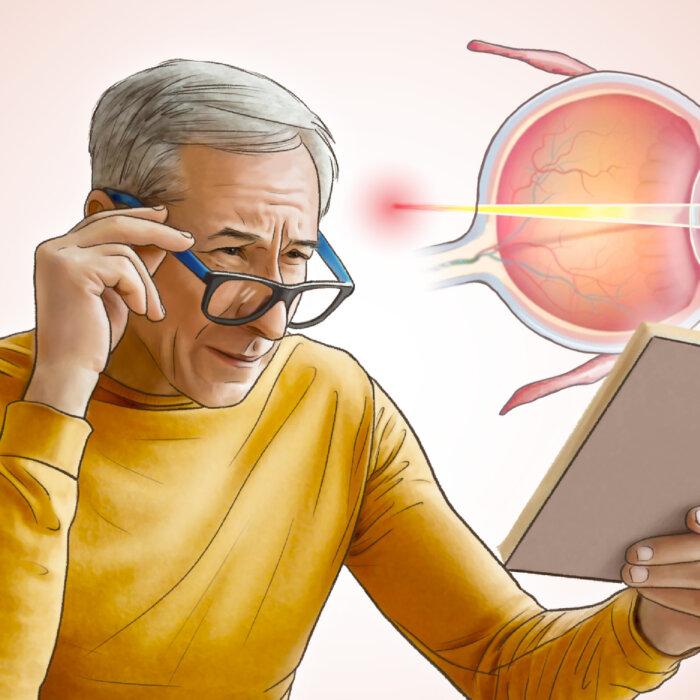
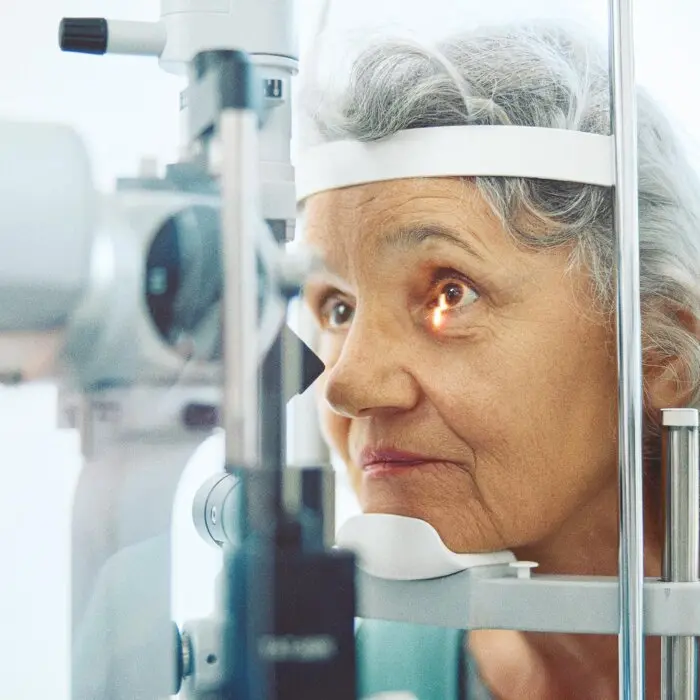
“With high blood pressure, there are changes that occur in the vasculature that you can’t see happening, because we see the bare arteries and veins in the eye; we can see that,” Dr. Andrew Iwach, ophthalmologist and executive director of the Glaucoma Center of San Francisco, and spokesperson for the American Academy of Ophthalmology, told The Epoch Times.
What your doctor might observe is narrowing of retinal arteries, thickening of vessel walls, retinal bleeding, reduced blood flow, and—in severe cases—swelling of the optic nerve.
Doctors can observe swelling of the optic nerve, which is caused by intracranial pressure— resulting from conditions such as brain bleeds, brain tumors, low sodium levels, or a buildup of toxins in your blood from decreased kidney function.
Diabetes Can Be Seen in the Eyes
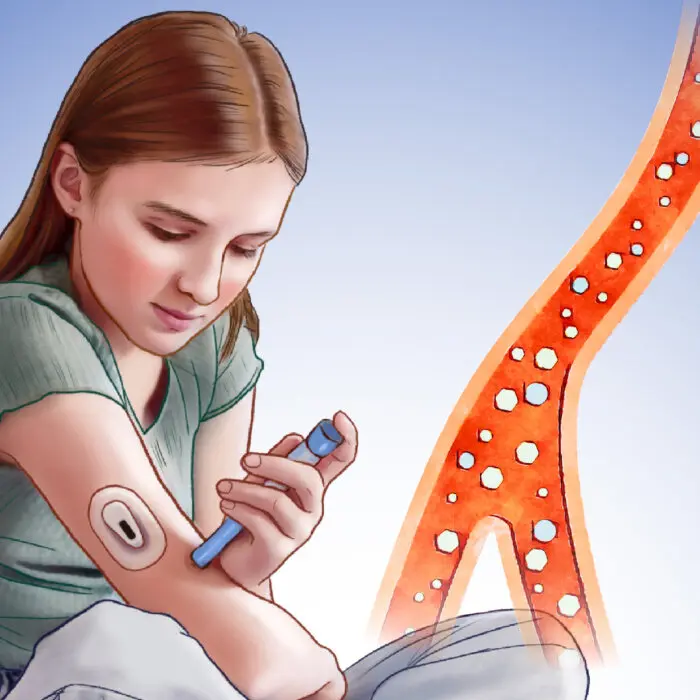
For many people, the eye exam is where diabetes is first identified. That’s why the American Optometric Association stepped up its recommendations, hoping to identify more cases early.Fluctuating glucose levels can change the curve and shape of the lens, causing blurred vision that persists until blood sugar stabilizes.
More Evidence of the Eye-Disease Links
There are 273 diseases with signs that can appear during an eye exam, including autoimmune and thyroid diseases.People with complaints or signs of dry eye could be dealing with an autoimmune disease in which inflammation and immune system changes damage the tear and oil-producing glands in the eyes. Inflammation from lupus, Type 1 diabetes, and other rare autoimmune diseases can break down delicate vasculature and cause bleeding in the back of the eyes.
“If there’s bleeding in the back of the eye, we are sending [people] not only to see a retina specialist, but we’re referring [them] back to the family doctor, or we’re ordering blood work ourselves,” Allen said.
Your eye doctor may also ask additional questions unrelated to your eyes, such as whether you’ve experienced dry mouth, joint pain, or fatigue. Allen orders tests for Sjogren’s syndrome and refers patients to a rheumatologist if they are experiencing these symptoms. Sjögren’s syndrome is a common autoimmune rheumatic disease in which the immune system mistakenly attacks the body’s moisture-producing glands, affecting about four million Americans.
Eye doctors can sometimes identify signs of thyroid eye disease—an autoimmune condition associated with thyroid disorders such as Graves’ disease—even before the eyes begin to bulge, a common sign of Graves’ disease. Observations include thickening of the muscle and fat around the eye, eyelid dysfunction, and swelling of the optic nerve.
A slit-lamp examination can reveal eye changes associated with certain sexually transmitted infections, including chlamydia, gonorrhea, and syphilis. The eye’s warm, moist environment can allow sexually transmitted bacteria to grow. For example, if a person is infected with chlamydia, the symptoms can often be very nonspecific. However, eye lesions that appear about one week after infection may be more specific.
Regular Eye Exams
Often, problems are detected by chance during a regular eye exam, rather than due to visual or other symptoms. That was the case for Ethan, whose mom reluctantly agreed to fundus photography during a checkup a decade ago.“We all have lousy vision in our family, but there was nothing that I was concerned about at the age of 14 that he needed to do that,” Jenni Starkey told The Epoch Times.
The test showed Ethan’s optic nerve was swollen, and he was diagnosed with a pseudo-tumor—a noncancerous condition that can be dangerous. It explained the headaches he’d been having that were dismissed because the whole family has a history of migraines. Starkey said. After treatment, Ethan’s pressure resolved.
“We got very lucky that it wasn’t a big issue,” Starkey said.
Ethan’s situation illustrates the importance of regular eye exams. According to the American Academy of Ophthalmology, those who have vision problems should see an optometrist or ophthalmologist at least once a year; children should see an optometrist or ophthalmologist if they fail a screening. Children should be screened at 6 months, between ages 3 and 5—before starting school—and then every two years until they’re 18 if they don’t have vision symptoms, as their eyes are rapidly growing. Adults should have a comprehensive eye exam at age 40, when vision often begins to change, with follow-up exams every five to 10 years.
The value of eye exams extends beyond the eyes, Appelbaum said. When caught early, many problems can be avoided.
“There’s just so much more to vision than just seeing and sight,” he said.