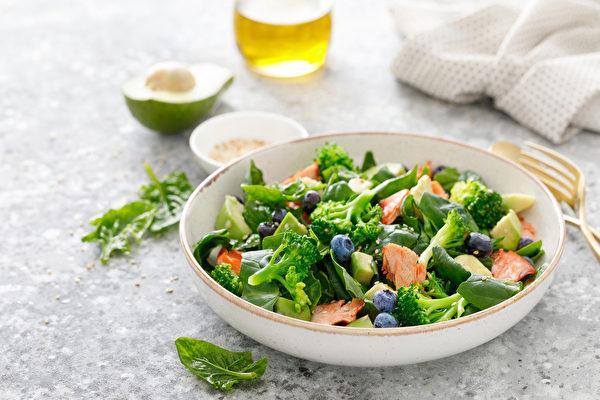
As the body ages, the development of arteriosclerosis becomes more common, increasing the risk of cardiovascular and cerebrovascular diseases. Fortunately, health experts believe adopting heart-healthy eating habits can improve blood vessel health and reduce the risk of heart disease and stroke.
Arteriosclerosis occurs when arteries, which transport oxygen and nutrients from the heart to other parts of the body, become thickened and hardened—restricting normal blood flow. Arteriosclerosis is divided into three types: small artery arteriosclerosis, middle artery arteriosclerosis, and atherosclerosis.
What Physiological Diseases are Caused by Arteriosclerosis?
According to the Cleveland Clinic, arteriosclerosis can lead to other serious complications such as:- Aneurysms.
- Carotid artery disease.
- Coronary artery disease.
- Critical limb ischemia.
- Heart attack.
- Kidney failure.
- Mesenteric ischemia.
- Peripheral artery disease.
- Pulmonary embolism.
- Renal artery stenosis.
- Stroke.
- Thrombosis.
- Transient ischemic attack.
Atherosclerosis is a chronic inflammatory disease of the arteries characterized by the formation of plaques composed of lipids, immune cells, and smooth muscle cells. Endothelial dysfunction promotes the infiltration of lipids and immune cells into the arterial wall, leading to the formation of plaques.
How to Maintain Healthy Arteries Through Diet
Consuming foods that help maintain vascular elasticity and patency can reduce the risk of heart disease and stroke.1. Pecans
Pecans are a rich source of antioxidants, monounsaturated fatty acids (MUFA), protein, alpha-linolenic acid (ALA), fiber, and various vitamins and minerals. A study published in Advances in Nutrition in 2017 showed that MUFA helps reduce the risk of cardiovascular disease and other inflammation-related diseases.2. Olive oil
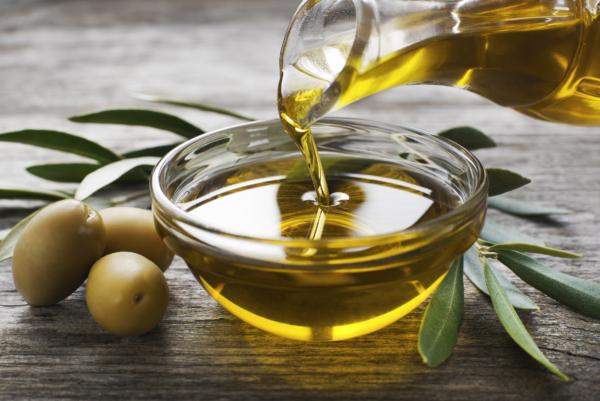
The main fatty acid in olive oil is oleic acid. Studies have found that oleic acid not only has modest effects on the regulation of cholesterol levels but also appears to have a direct impact on the inflammatory response associated with the early stages of atherosclerosis.Along with other more highly unsaturated fatty acids, such as omega-3 and omega-6 fatty acids, oleic acid may prevent atherosclerosis by regulating the gene expression for endothelial leukocyte adhesion molecules. Endothelial leukocyte adhesion molecules play a crucial role in the early stages of atherosclerosis. These molecules facilitate the adhesion and migration of immune cells into the arterial walls, contributing to the development of plaque formation.
3. Cauliflower
Cauliflower is an important source of folic acid and offers 55 mcg of vitamin C in a single one-cup serving.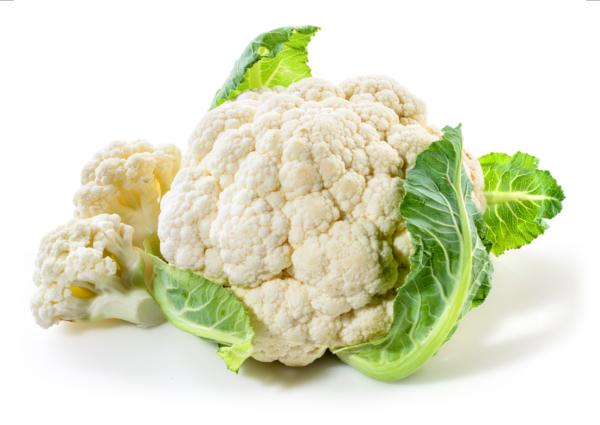
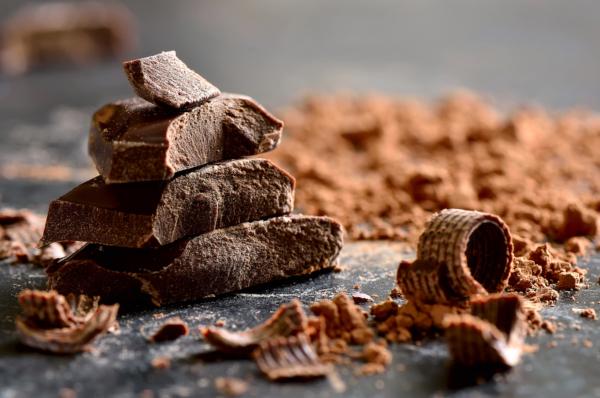
4. Dark Chocolate
Studies have found that dark chocolate helps restore artery flexibility and prevents white blood cells from adhering to the blood vessel wall—common causes of arterial blockage.