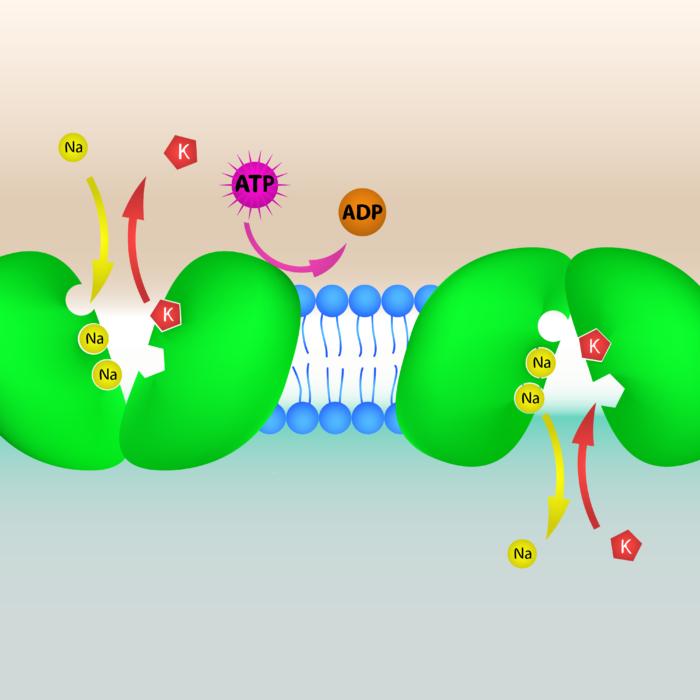
We need potassium for the proper functioning of many major organ systems; it is essential for the heart, kidneys, muscles, nerves, and digestive system to operate normally. Potassium is also required for regulating fluid balance, the body’s acid-base balance, and blood pressure. In addition, considerable scientific evidence suggests that a diet providing at least 4.7 grams of potassium daily lowers the risk of stroke, high blood pressure, osteoporosis, and kidney stones and that a diet rich in fruits and vegetables, which are among the best sources of potassium, is associated with a reduced risk of cardiovascular disease.
Despite its importance to optimum health, I do not recommend that anyone take potassium supplements unless a doctor has prescribed them. We all can get adequate potassium from food sources, and for that reason, supplements are needed only under specific medical circumstances. Potassium deficiency is rare, and when it occurs, it usually affects people with kidney disease, gastrointestinal disease, and those who take diuretics.
Although bananas are probably the best-known source of dietary potassium, other particularly good ones are baked potatoes with skin, prune juice, prunes, raisins, tomato juice and tomatoes, almonds, sunflower seeds, spinach, and artichokes. Meat, fish, and chicken are also good sources, as are soy foods.
Taking potassium supplements on your own can lead to hyperkalemia, a higher-than-normal level of potassium in the blood that can be life-threatening and requires immediate medical treatment. The most common cause of hyperkalemia is acute or chronic kidney failure, but it also can be a side effect of certain medications, including angiotensin-converting enzyme (ACE) inhibitors (for lowering high blood pressure), nonsteroidal anti-inflammatory drugs (NSAIDs), and blood thinning agents such as heparin. Hyperkalemia can also stem from alcoholism or Type 1 diabetes, as well as excessive use of potassium supplements.
Symptoms of hyperkalemia include muscle fatigue and cramps, weakness, paralysis, abnormal heart rhythms, mood changes, nausea, and vomiting. A severe deficiency can lead to muscle paralysis and abnormal heart rhythms that can be fatal. Deficiencies usually stem from a loss of potassium due to prolonged vomiting, the use of some diuretics, and some types of kidney disease. It is highly unlikely that a low dietary intake of potassium, by itself, would ever lead to a deficiency.