Nutritional Value of Avocado
Avocado is high in potassium; magnesium; vitamins A, C, E, K1, and B6; pantothenic acid; choline; lutein; zeaxanthin; and phytosterol. Its fat content breaks down to 71 percent unsaturated fatty acids, 13 percent polyunsaturated fatty acids, and 16 percent saturated fatty acids. These fatty acids help to maintain healthy blood lipid (HDL) levels and promote the absorption of fat-soluble nutrients.How Many Avocados Should I Eat?
So how many avocados should one consume every day?Usually, eating half of a normal-sized avocado per day is good enough. That amounts to about 68 grams (2.4 ounces) and contains about 114 calories, 10.5 grams (0.4 ounce) of fat, and 4.6 grams (0.2 ounce) of dietary fiber. If a person’s daily calorie intake is about 2,000 calories, half of an avocado accounts for about 5 percent of the calories required for a day.
If your diet is balanced and nutritious, you don’t need to eat avocado daily. But if your diet lacks sufficient nutrients, then an avocado’s healthy unsaturated fatty acids, dietary fiber, vitamins, and antioxidants can boost your nutrition. If you’re an athlete, you may need more of these nutrients and can eat more avocado in moderation. However, if your diet is already well-balanced and you don’t exercise heavily, there’s no need to eat avocado every day; every other day may be a better option.
Who Should Avoid Avocado?
Although avocado is rich in all sorts of nutrients, a few groups of people must be extra careful eating it.
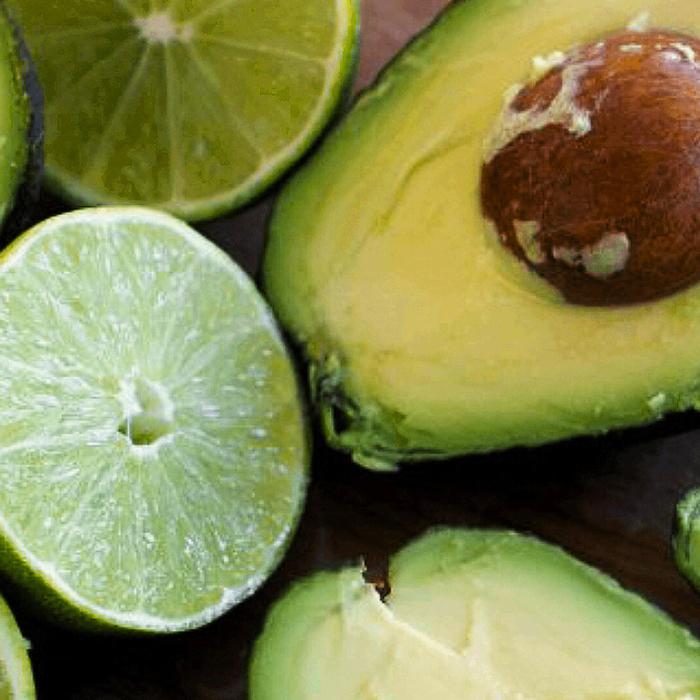
For example, people with latex allergies should be cautious about eating avocados. This is more common among middle-aged women whose daily work requires them to wear latex gloves. Eating avocados may make them more sensitive to allergic reactions to latex, causing allergic reactions to other foods, such as chestnuts and bananas. Allergic reactions may manifest as rash, vascular edema, hives, asthma, conjunctivitis, and oral allergic symptoms, such as itching and swelling of the tongue.
People dieting also need to be mindful about eating avocado because of its high calorie content.
Those who must maintain a certain level of cholesterol should also be careful. Avocado contains beta-lanosterol, a compound that may affect the absorption of cholesterol.
Liver Benefits of Avocado
For people with normal liver function, eating an appropriate amount of avocado will benefit the liver.Avocado also contains a variety of trace elements, vitamins, and antioxidants. These reduce chronic inflammation in the body, including liver inflammation.
To sum it up, avocado is a healthy addition to one’s diet in most cases, but those with latex allergies or liver disease, those who need to maintain a certain cholesterol level, and those who are dieting may need to be more mindful. The most important thing is to maintain a balance and have a moderate diet because all food can hurt health when consumed in excess.