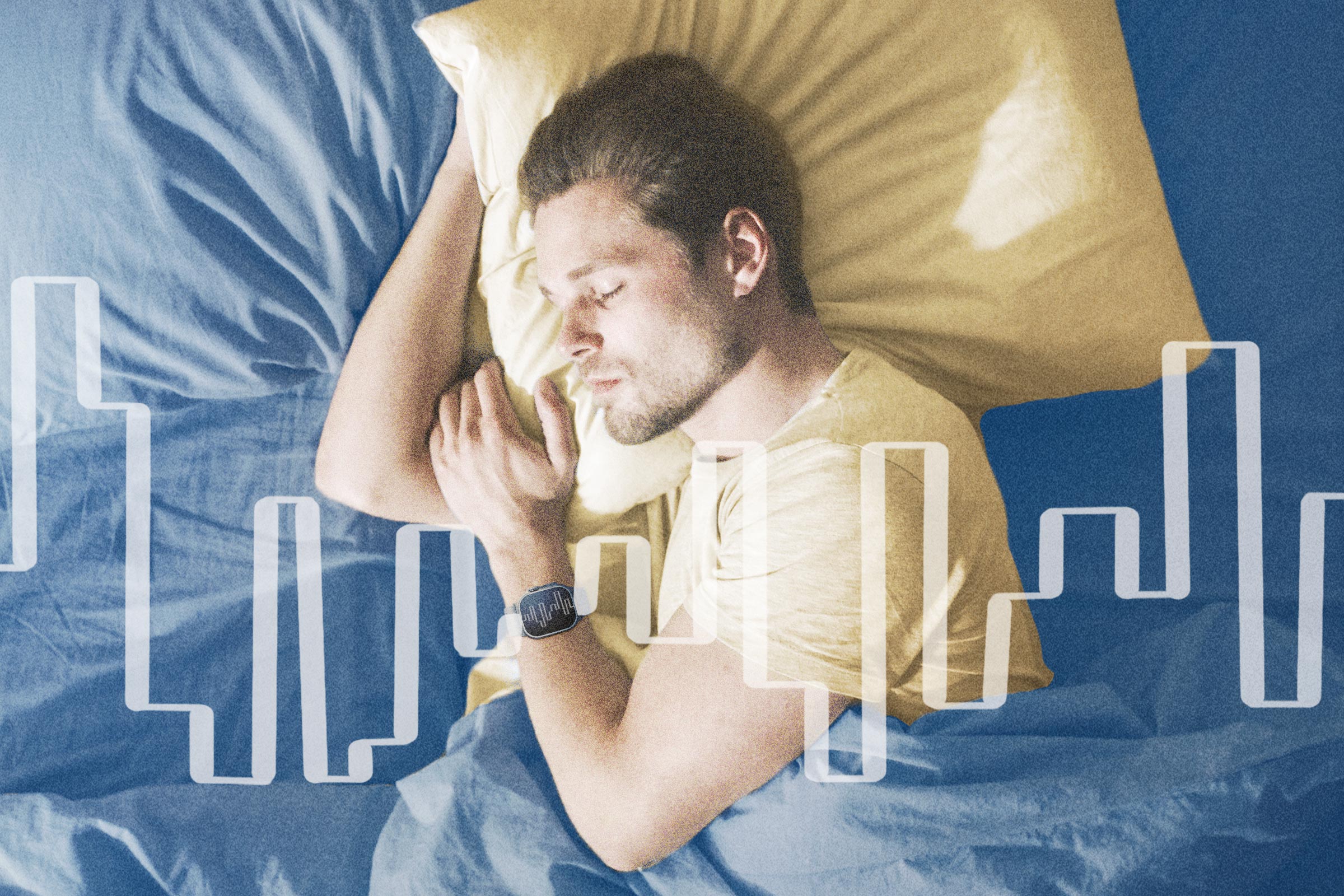

You wake up feeling rested, but then you check your smartwatch and, suddenly, you don’t feel rested anymore.
The number does not match how you feel, and for a moment, you hesitate. Was your sleep actually bad, or are you more tired than you thought? That small doubt can follow you into the rest of your day, changing your mood and making you second-guess your own body. Over time, your own reading of your body becomes less certain, and you start to depend on the machine for answers.
Mental performance coach David Franco has seen this firsthand during his years working with elite athletes, including the members of the World Series-winning Texas Rangers.
“I’ve heard athletes say things like, ‘My watch said I didn’t recover well yesterday, so today will be really tough,’” Franco told The Epoch Times.
For athletes whose performance depends on confidence, that kind of thinking can slowly erode trust in their own bodies.
What Wearables Can Do Well
Used thoughtfully, wearable devices can reveal patterns that might otherwise go unnoticed. Many people underestimate how little they move during the day or how inconsistent their sleep schedules can be.

However, experts caution against overinterpreting the data.
“Wearables don’t actually measure health,” Dr. Daniel Ghiyam, a physician who focuses on longevity and preventive health, told The Epoch Times. “They measure signals. They can be helpful when patients use the data as feedback for better decision-making.”
Metrics such as resting heart rate, heart rate variability, step counts, and sleep patterns can reinforce healthy routines, encouraging earlier bedtimes, more movement, and better stress management when interpreted carefully.
When Tracking Creates Anxiety
For some people, constant access to biometric data can become a source of stress rather than insight.“I have seen wearables become both a tool and a trigger for anxiety and self-doubt,” Tom Smalley, a certified mental performance consultant who works with athletes and high performers, told The Epoch Times.
Instead of using the data to simply track hours of sleep or step counts, some users begin monitoring every change in heart rate, sleep score, or stress reading. The focus shifts from a broad sense of how they are doing overall to reacting to each new metric.
For people prone to obsessive thinking, this can create a compulsive cycle. A slightly elevated heart rate may trigger worry that something is wrong; a lower sleep score can lead someone to assume that the next day will be difficult before it even begins—and can become a self-fulfilling prophecy. Even when nothing seems off at first, the number can introduce doubt, chipping away at their confidence in what they are experiencing.
The Problem With Chasing Perfect Sleep
Sleep tracking provides one of the clearest examples of this dynamic. Many wearables now generate detailed sleep scores, measuring everything from total sleep time to stages of deep and REM sleep. Yet researchers have observed that focusing too closely on these metrics can backfire.The body goes through roughly 90-minute sleep cycles, meaning that someone can sleep for many hours yet wake up groggy if the alarm interrupts a deeper stage of sleep. On other mornings, a shorter night’s sleep can still leave someone surprisingly refreshed. A score captures none of this nuance.
“Sleep really does best with space, calm, and regularity,” Dimitriu said. “The more you obsess, stress, and fixate on sleep, the worse it can get.”
Listening to the Body Again
The body constantly sends signals, long before any device can measure them.Fatigue, tension, hunger, calm, and mental clarity all provide information about how the body is functioning. Scientists call this awareness interoception, the ability to sense internal bodily states. It is a skill, and like any skill, it can weaken when you’re not using it.
Developing that awareness has been a cornerstone of athletic training and meditation practices. Smalley says the goal is not to reject technology but to keep it in the proper place.
Finding a Healthier Balance
For most people, the healthiest approach may be to treat the data as one source of information rather than the final word.Also, look for patterns over time instead of reacting to day-to-day changes. Stepping on a scale several times per day will show constant fluctuation. Checking less often tends to give a clearer picture of meaningful change. The same logic holds for wearable data.
Occasional device-free days can also help restore awareness of internal signals.
Dimitriu said the most effective habits for sleep are often surprisingly simple.
Regular bed and wake times, a cool, dark bedroom, and winding down without screens before bed often matter far more than tracking every sleep stage.
“The most helpful things for sleep are usually the same things your grandmother already told you,” he said.