Key Takeaways
- Diarrhea and other stomach upsets are common symptoms of anxiety.
- Communication between the brain and the gut, and vice versa, is key to how we respond to anxiety.
- The health of your microbiome can affect this gut-brain communication.
- Improving the health of your gut microbiota by avoiding foods you’re sensitive to and supplementing with probiotics may lower your anxiety response.
- The herbal antimicrobial berberine may also help gut issues and anxiety.
- You might also consider cognitive behavioral therapy (CBT) and other anxiety-reducing therapies like yoga and meditation.
What Causes Anxiety Diarrhea?
Though it’s not entirely certain why acute anxiety prompts a sudden need to poop, one theory is that it’s the result of a heightened reaction to fight-or-flight response hormones (such as adrenaline) produced when we feel under sudden threat [1, 2].Fast intestinal transit times have been noted in people with chronic anxiety, and people with anxiety are more than twice as likely to have diarrhea compared to the general population [3, 4]. This excessive gut motility has been associated with chronic diarrhea in those with irritable bowel syndrome (IBS-D), but also in those without this health condition [5].
Another way that stressful situations and anxiety may cause diarrhea and other abdominal symptoms is via the stimulation of mast cells (histamine-producing immune cells). This means anxiety may create abdominal symptoms via the same immune system route that food allergens do [6].
For some people, prolonged and chronic levels of adrenaline can have the opposite effect of decreasing gut motility, making bowel movements more sluggish.
The Gut-Brain Connection

While it’s not always clear whether the anxiety or gut imbalances come first, it’s likely that many gut symptoms, such as anxiety-related diarrhea, are facilitated by a two-way gut microbiota-brain communication. The so-called gut-brain axis connects your central nervous system to your gut’s nervous system (also known as the enteric nervous system) via the vagus nerve [7, 8].
If the gut microbiome is unhealthy, the gut-brain connection may become disrupted, and you may have increased levels of anxiety. Several systematic reviews/meta-analyses have found that anxiety often coexists with irritable bowel syndrome (IBS), inflammatory bowel disease (IBD), and celiac disease [9, 10, 11, 12, 13, 14].
Unfortunately, these studies of prevalence cannot indicate whether anxiety and gut disorders are causally linked, nor can they determine which came first [15, 16]. Suffice it to say, people with gut dysfunction are more likely than healthy people to have anxiety, and it’s possible that gut imbalances could contribute to anxiety and vice versa [17].
For example, fascinating research in mice has shown that a chemical produced by bacteria living in the gut can alter brain function and make the animals exhibit more anxious behaviors [18].
In turn, stress and anxiety can unbalance microbes in the gut, initiating a series of biochemical reactions that impact the central nervous system [19].
Understanding that the gut affects our mental state (and the other way around) opens the door to the possibility that improving gut health may also help fight anxiety symptoms, such as anxiety diarrhea.
In practice, we’ve found that many patients who have gut issues develop anxiety—and that healing the gut often leads to improvements in anxiety.
Below we’ll walk you through how to heal your gut to lessen your anxiety.
3 Gut-Related Steps to Beat Anxiety Diarrhea
While there‘s likely no “perfect” gut health prescription to specifically keep anxiety diarrhea under control, the following three self-care steps will improve the robustness of your gut in general. In turn, this could improve your chances of tamping down generalized anxiety disorders and anxiety diarrhea, more specifically.Step 1: Remove the Foods That Don’t Suit You
Research suggests that common dietary sensitivities, such as sensitivity to gluten, might exacerbate anxiety symptoms, including anxiety diarrhea. Removing these triggers from your diet, at least temporarily, gives your gut an opportunity to heal and your anxiety symptoms to improve.- Cutting out gluten not only significantly reduced bowel symptoms like diarrhea but also anxiety and depression in both groups.
- Those who tested positive for the gluten allergy gene had a greater improvement in depression, vitality, emotions, and fatigue.
- The low-FODMAP diet significantly improved anxiety, stool consistency, and urgency.
- Other benefits seen in the low-FODMAP group included significant improvements in abdominal pain, bloating, quality of life, activity impairment, body image, and depression compared to the standard IBS diet.
Getting Started on FODMAPs
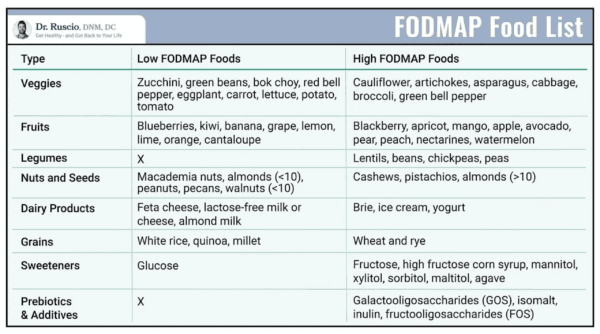
That said, a low-FODMAP diet probably is the better fit for symptoms that don’t respond to the Paleo diet and include more severe anxiety diarrhea, bloating, and digestive upset. The key to this diet is finding your own specific tolerance to a group of carbohydrates and prebiotics (FODMAPs) that can otherwise feed an existing overgrowth of bacteria.
Step 2: Take Probiotics
Due to their balancing effect on the microbiota, taking probiotics may be another strategy to help deal with anxiety and diarrhea.In one preliminary study, a total of 83 patients with anxiety and depression (eight also with IBS) were given a multistrain Lacto/Bifido probiotic for two months. The results showed significant improvements in depression and anxiety, quality of life, and GI symptoms, including diarrhea [22].
A 2021 systematic review also identified five studies that showed probiotics were effective for improving diarrhea, and one study showing probiotics improved anxiety [23].
Probiotics also stand up quite well for the alleviation of broader anxiety symptoms, and this is especially the case in clinically anxious people [24, 25]. However, dietary interventions are even more effective, so they should be the first choice for anxiety management [26].
Which Probiotics Work Best?
Most of the studies of probiotics for anxiety and improved mood have used probiotics from the Lactobacillus/Bifidobacterium category, so based on this, you’d likely choose a high-quality, multispecies Lactobacillus/Bifidobacterium blend [29, 30, 31].This doesn’t mean another type of probiotic won’t be helpful for anxiety diarrhea, though, and you probably don’t have to search for a super-specific type of bacteria for anxiety. In fact, from my clinical experience, a blend of species is probably best to cover all bases.
Step 3: Harness Herbal Antimicrobials

Herbal antimicrobials, like berberine, are sometimes recommended as part of a gut-healing program if dietary changes and probiotics don’t bring about significant-enough resolution of symptoms. For people with anxiety diarrhea, they may be particularly beneficial.
One 2015 randomized controlled trial randomly assigned IBS patients with diarrhea as a main symptom to receive 400 milligrams a day of berberine hydrochloride or placebo for eight weeks. The results showed that berberine supplementation significantly reduced diarrhea frequency and anxiety after eight weeks of treatment, compared to placebo [32].
Alternative Approaches for Anxiety Diarrhea

- Meditation was beneficial in a small trial involving 16 IBS patients who practiced relaxation response meditation (RRM) for six weeks. The results showed that mediation significantly improved IBS symptoms (diarrhea, flatulence, belching, bloating) compared to the control group, while 39 percent of subjects reported improved anxiety [33].
- Yoga plus deep-breathing exercises were more effective than loperamide (Imodium) in IBS patients after two months of twice-daily sessions. Whether people in the study took loperamide or did yoga, they saw significant improvements in IBS-D symptoms and anxiety, but the yoga group saw greater improvement in bowel symptoms [34].
- Traditional Chinese medicine (TCM) (more specifically, moxibustion, which involves burning processed mugwort herb at specific acupuncture points on the body) improved IBS-D symptoms more effectively than a sham version of the treatment. After six weeks, the results showed that the TCM group had significantly greater improvement in diarrhea frequency and bowel urgency [35].
Cognitive Behavioral Therapy (CBT) for Anxiety
CBT can help anxiety, and it can also be useful in IBS, so it’s another treatment worth considering for anxiety diarrhea [36].One study found CBT combined with drug therapy significantly improved IBS-D symptoms and quality of life compared with drug therapy alone. However, the symptoms appeared to return after CBT was discontinued [37].
Can Conventional Antidepressants Help?
One systematic review and meta-analysis suggested that traditional antidepressants, including tricyclic antidepressants (TCAs), selective serotonin reuptake inhibitors (SSRIs), and serotonin-noradrenaline reuptake inhibitors (SNRIs), help quell gut symptoms (especially diarrhea), as well as ease depression and anxiety more generally [39].Antidepressants can have their side effects, however, and these include significant disruption of the gut microflora [31]. For this reason, I wouldn’t recommend traditional antidepressants as a first-line choice for anxiety diarrhea.
Say Goodbye to Anxiety Diarrhea
Diarrhea is a distressing reality for many people with anxiety. To break through the cycle of anxiety, upset stomach, and more anxiety, you can bolster your gut health, helping to normalize the gut-brain connection.A Paleo or low-FODMAP diet combined with probiotics is an effective way to do this for most people, but if this combination doesn’t work effectively enough, herbal antimicrobials, CBT, meditation, or other relaxing therapies like yoga could also help.
◇ References
- Myers B, Greenwood-Van Meerveld B. Role of anxiety in the pathophysiology of irritable bowel syndrome: importance of the amygdala. Front Neurosci. 2009 Jun 10;3:47. DOI: 10.3389/neuro.21.002.2009. PMID: 20582274. PMCID: PMC3112316.
- Khlevner J, Park Y, Margolis KG. Brain-Gut Axis: Clinical Implications. Gastroenterol Clin North Am. 2018 Dec;47(4):727–39. DOI: 10.1016/j.gtc.2018.07.002. PMID: 30337029. PMCID: PMC6829582.
- Gorard DA, Gomborone JE, Libby GW, Farthing MJ. Intestinal transit in anxiety and depression. Gut. 1996 Oct;39(4):551–5. DOI: 10.1136/gut.39.4.551. PMID: 8944564. PMCID: PMC1383268.
- Haug TT, Mykletun A, Dahl AA. Are anxiety and depression related to gastrointestinal symptoms in the general population? Scand J Gastroenterol. 2002 Mar;37(3):294–8. DOI: 10.1080/003655202317284192. PMID: 11916191.
- Spiller R. Role of motility in chronic diarrhoea. Neurogastroenterol Motil. 2006 Dec;18(12):1045–55. DOI: 10.1111/j.1365-2982.2006.00836.x. PMID: 17109687.
- Wood JD. Neuropathophysiology of functional gastrointestinal disorders. World J Gastroenterol. 2007 Mar 7;13(9):1313–32. DOI: 10.3748/wjg.v13.i9.1313. PMID: 17457962. PMCID: PMC4146914.
- Arneth BM. Gut-brain axis biochemical signalling from the gastrointestinal tract to the central nervous system: gut dysbiosis and altered brain function. Postgrad Med J. 2018 Aug;94(1114):446–52. DOI: 10.1136/postgradmedj-2017-135424. PMID: 30026389.
- Tran N, Zhebrak M, Yacoub C, Pelletier J, Hawley D. The gut-brain relationship: Investigating the effect of multispecies probiotics on anxiety in a randomized placebo-controlled trial of healthy young adults. J Affect Disord. 2019 Jun 1;252:271–7. DOI: 10.1016/j.jad.2019.04.043. PMID: 30991255.
- Barberio B, Zamani M, Black CJ, Savarino EV, Ford AC. Prevalence of symptoms of anxiety and depression in patients with inflammatory bowel disease: a systematic review and meta-analysis. Lancet Gastroenterol Hepatol. 2021 May;6(5):359–70. DOI: 10.1016/S2468-1253(21)00014-5. PMID: 33721557.
- Zamani M, Alizadeh-Tabari S, Zamani V. Systematic review with meta-analysis: the prevalence of anxiety and depression in patients with irritable bowel syndrome. Aliment Pharmacol Ther. 2019 Jul;50(2):132–43. DOI: 10.1111/apt.15325. PMID: 31157418.
- Clappison E, Hadjivassiliou M, Zis P. Psychiatric Manifestations of Coeliac Disease, a Systematic Review and Meta-Analysis. Nutrients. 2020 Jan 4;12(1). DOI: 10.3390/nu12010142. PMID: 31947912. PMCID: PMC7019223.
- Hu Z, Li M, Yao L, Wang Y, Wang E, Yuan J, et al. The level and prevalence of depression and anxiety among patients with different subtypes of irritable bowel syndrome: a network meta-analysis. BMC Gastroenterol. 2021 Jan 7;21(1):23. DOI: 10.1186/s12876-020-01593-5. PMID: 33413140. PMCID: PMC7791666.
- Geng Q, Zhang Q-E, Wang F, Zheng W, Ng CH, Ungvari GS, et al. Comparison of comorbid depression between irritable bowel syndrome and inflammatory bowel disease: A meta-analysis of comparative studies. J Affect Disord. 2018 Sep;237:37–46. DOI: 10.1016/j.jad.2018.04.111. PMID: 29758449.
- Volta U, Bardella MT, Calabrò A, Troncone R, Corazza GR, Study Group for Non-Celiac Gluten Sensitivity. An Italian prospective multicenter survey on patients suspected of having non-celiac gluten sensitivity. BMC Med. 2014 May 23;12(1):85. DOI: 10.1186/1741-7015-12-85. PMID: 24885375. PMCID: PMC4053283.
- Koloski NA, Jones M, Talley NJ. Evidence that independent gut-to-brain and brain-to-gut pathways operate in the irritable bowel syndrome and functional dyspepsia: a 1-year population-based prospective study. Aliment Pharmacol Ther. 2016 Sep;44(6):592–600. DOI: 10.1111/apt.13738. PMID: 27444264.
- Sibelli A, Chalder T, Everitt H, Workman P, Windgassen S, Moss-Morris R. A systematic review with meta-analysis of the role of anxiety and depression in irritable bowel syndrome onset. Psychol Med. 2016 Nov;46(15):3065–80. DOI: 10.1017/S0033291716001987. PMID: 27605134.
- Umrani S, Jamshed W, Rizwan A. Association between psychological disorders and irritable bowel syndrome. Cureus. 2021 Apr 16;13(4):e14513. DOI: 10.7759/cureus.14513. PMID: 34007764. PMCID: PMC8121199.
- Needham BD, Funabashi M, Adame MD, Wang Z, Boktor JC, Haney J, et al. A gut-derived metabolite alters brain activity and anxiety behaviour in mice. Nature. 2022 Feb 14;602(7898):647–53. DOI: 10.1038/s41586-022-04396-8. PMID: 35165440. PMCID: PMC9170029.
- Dart A. That gut feeling. Nat Rev Cancer. 2017 Jan;17(1):74. DOI: 10.1038/nrc.2016.147. PMID: 28704357.
- Aziz I, Trott N, Briggs R, North JR, Hadjivassiliou M, Sanders DS. Efficacy of a Gluten-Free Diet in Subjects With Irritable Bowel Syndrome-Diarrhea Unaware of Their HLA-DQ2/8 Genotype. Clin Gastroenterol Hepatol. 2016 May;14(5):696-703.e1. DOI: 10.1016/j.cgh.2015.12.031. PMID: 26748221.
- Eswaran S, Chey WD, Jackson K, Pillai S, Chey SW, Han-Markey T. A Diet Low in Fermentable Oligo-, Di-, and Monosaccharides and Polyols Improves Quality of Life and Reduces Activity Impairment in Patients With Irritable Bowel Syndrome and Diarrhea. Clin Gastroenterol Hepatol. 2017 Dec;15(12):1890-1899.e3. DOI: 10.1016/j.cgh.2017.06.044. PMID: 28668539.
- Dao VH, Hoang LB, Trinh TO, Tran TTT, Dao VL. Psychobiotics for Patients with Chronic Gastrointestinal Disorders Having Anxiety or Depression Symptoms. J Multidiscip Healthc. 2021 Jun 10;14:1395–402. DOI: 10.2147/JMDH.S312316. PMID: 34140777. PMCID: PMC8203266.
- Deleemans JM, Gajtani Z, Baydoun M, Reimer RA, Piedalue K-A, Carlson LE. The use of prebiotic and probiotic interventions for treating gastrointestinal and psychosocial health symptoms in cancer patients and survivors: A systematic review. Integr Cancer Ther. 2021 Dec;20:15347354211061732. DOI: 10.1177/15347354211061733. PMID: 34844479. PMCID: PMC8649088.
- Liu RT, Walsh RFL, Sheehan AE. Prebiotics and probiotics for depression and anxiety: A systematic review and meta-analysis of controlled clinical trials. Neurosci Biobehav Rev. 2019 Jul;102:13–23. DOI: 10.1016/j.neubiorev.2019.03.023. PMID: 31004628. PMCID: PMC6584030.
- El Dib R, Periyasamy AG, de Barros JL, França CG, Senefonte FL, Vesentini G, et al. Probiotics for the treatment of depression and anxiety: A systematic review and meta-analysis of randomized controlled trials. Clin Nutr ESPEN. 2021 Oct;45:75–90. DOI: 10.1016/j.clnesp.2021.07.027. PMID: 34620373.
- Yang B, Wei J, Ju P, Chen J. Effects of regulating intestinal microbiota on anxiety symptoms: A systematic review. Gen Psych. 2019 May 17;32(2):e100056. DOI: 10.1136/gpsych-2019-100056. PMID: 31179435. PMCID: PMC6551444.
- Lamprecht M, Bogner S, Schippinger G, Steinbauer K, Fankhauser F, Hallstroem S, et al. Probiotic supplementation affects markers of intestinal barrier, oxidation, and inflammation in trained men; a randomized, double-blinded, placebo-controlled trial. J Int Soc Sports Nutr. 2012 Sep 20;9(1):45. DOI: 10.1186/1550-2783-9-45. PMID: 22992437. PMCID: PMC3465223.
- Stevens BR, Goel R, Seungbum K, Richards EM, Holbert RC, Pepine CJ, et al. Increased human intestinal barrier permeability plasma biomarkers zonulin and FABP2 correlated with plasma LPS and altered gut microbiome in anxiety or depression. Gut. 2018 Aug;67(8):1555–7. DOI: 10.1136/gutjnl-2017-314759. PMID: 28814485. PMCID: PMC5851874.
- Zagórska A, Marcinkowska M, Jamrozik M, Wiśniowska B, Paśko P. From probiotics to psychobiotics – the gut-brain axis in psychiatric disorders. Benef Microbes. 2020 Dec 2;11(8):717–32. DOI: 10.3920/BM2020.0063. PMID: 33191776.
- Venkataraman R, Madempudi RS, Neelamraju J, Ahire JJ, Vinay HR, Lal A, et al. Effect of Multi-strain Probiotic Formulation on Students Facing Examination Stress: a Double-Blind, Placebo-Controlled Study. Probiotics Antimicrob Proteins. 2021 Feb;13(1):12–8. DOI: 10.1007/s12602-020-09681-4. PMID: 32601955.
- Sjöstedt P, Enander J, Isung J. Serotonin reuptake inhibitors and the gut microbiome: significance of the gut microbiome in relation to mechanism of action, treatment response, side effects, and tachyphylaxis. Front Psychiatry. 2021 May 26;12:682868. DOI: 10.3389/fpsyt.2021.682868. PMID: 34122195. PMCID: PMC8187765.
- Chen C, Tao C, Liu Z, Lu M, Pan Q, Zheng L, et al. A Randomized Clinical Trial of Berberine Hydrochloride in Patients with Diarrhea-Predominant Irritable Bowel Syndrome. Phytother Res. 2015 Nov;29(11):1822–7. DOI: 10.1002/ptr.5475. PMID: 26400188.
- Keefer L, Blanchard EB. The effects of relaxation response meditation on the symptoms of irritable bowel syndrome: results of a controlled treatment study. Behav Res Ther. 2001 Jul;39(7):801–11. DOI: 10.1016/s0005-7967(00)00078-4. PMID: 11419611.
- Taneja I, Deepak KK, Poojary G, Acharya IN, Pandey RM, Sharma MP. Yogic versus conventional treatment in diarrhea-predominant irritable bowel syndrome: a randomized control study. Appl Psychophysiol Biofeedback. 2004 Mar;29(1):19–33. DOI: 10.1023/b:apbi.0000017861.60439.95. PMID: 15077462.
- Bao C, Wu L, Shi Y, Shi Z, Jin X, Shen J, et al. Long-term effect of moxibustion on irritable bowel syndrome with diarrhea: a randomized clinical trial. Therap Adv Gastroenterol. 2022 Feb 23;15:17562848221075132. DOI: 10.1177/17562848221075131. PMID: 35222693. PMCID: PMC8874177.
- Kaczkurkin AN, Foa EB. Cognitive-behavioral therapy for anxiety disorders: an update on the empirical evidence. Dialogues Clin Neurosci. 2015 Sep;17(3):337–46. DOI: 10.31887/DCNS.2015.17.3/akaczkurkin. PMID: 26487814. PMCID: PMC4610618.
- Dehkordi AH, Solati K. The effects of cognitive behavioral therapy and drug therapy on quality of life and symptoms of patients with irritable bowel syndrome. J Adv Pharm Technol Res. 2017 Jun;8(2):67–72. DOI: 10.4103/japtr.JAPTR_170_16. PMID: 28516059. PMCID: PMC5416658.
- Zhao S-R, Ni X-M, Zhang X-A, Tian H. Effect of cognitive behavior therapy combined with exercise intervention on the cognitive bias and coping styles of diarrhea-predominant irritable bowel syndrome patients. World J Clin Cases. 2019 Nov 6;7(21):3446–62. DOI: 10.12998/wjcc.v7.i21.3446. PMID: 31750328. PMCID: PMC6854400.
- Kułak-Bejda A, Bejda G, Waszkiewicz N. Antidepressants for irritable bowel syndrome-A systematic review. Pharmacol Rep. 2017 Dec;69(6):1366–79. DOI: 10.1016/j.pharep.2017.05.014. PMID: 29132094.