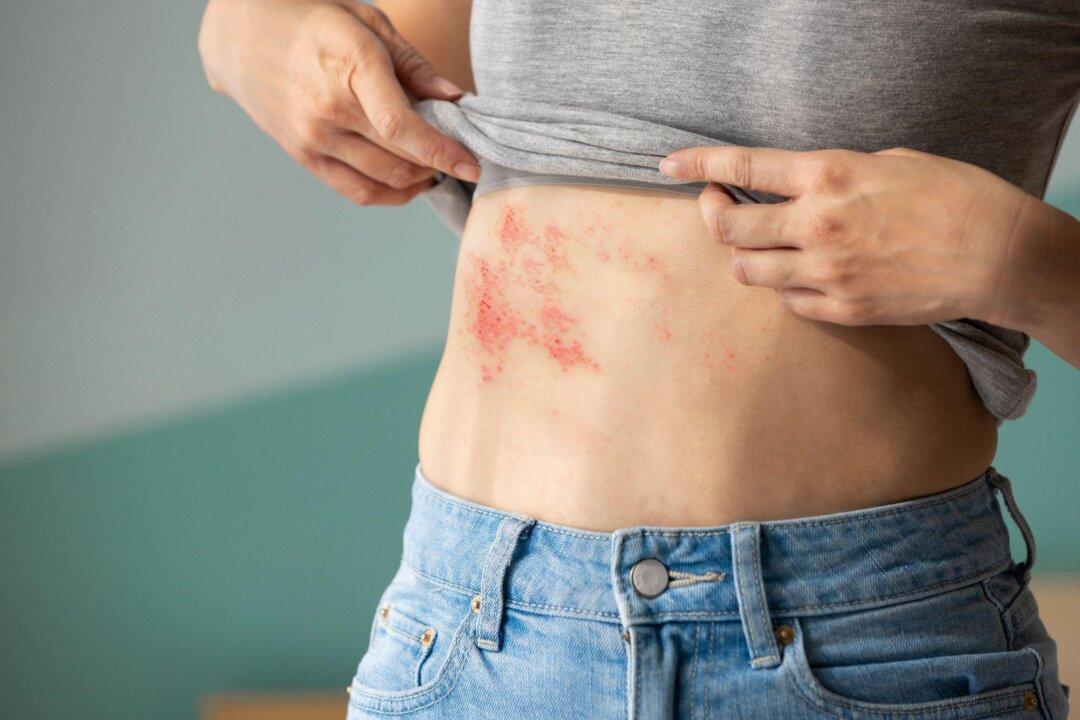
Symptoms and Triggers of Eczema
Eczema is a common chronic skin condition characterized by dry, itchy skin prone to infection.People at higher risk of developing dyshidrotic eczema include those who sweat excessively or wash their hands frequently, such as homemakers and cleaning staff.
The causes of eczema are complex, but in traditional Chinese medicine (TCM), they are primarily influenced by three factors: body constitution, environment, and diet, Lai said. Failing to address these three factors and relying solely on ointments for itch relief or steroids to reduce inflammation will only provide temporary symptom relief, leaving the root cause untreated and increasing the likelihood of eczema returning.Groups at Higher Risk of Eczema
According to TCM, the body’s inability to metabolize or eliminate oils and waste properly can disrupt fluid metabolism, resulting in the buildup of internal dampness, a body constitution. Grilled, roasted, deep-fried, or spicy dishes, along with iced drinks and desserts, are believed to exacerbate this condition.Damp-Heat Constitution
People with a damp-heat constitution are more sensitive to heat and often feel heavy or sluggish. Their skin is usually oily and prone to acne, and they may experience bad breath. Stools tend to be loose, foul-smelling, and frequent—up to three times a day—sometimes accompanied by an urge to defecate immediately after eating. In women, vaginal discharge is often yellow, sticky, and has an unpleasant odor.Cold-Damp Constitution
People with a cold-damp constitution are more sensitive to cold and may develop diarrhea after consuming cold foods. They often feel fatigued, and their stools are soft, unformed, and not particularly foul-smelling. In women, vaginal discharge is typically thin, clear, and odorless.Strategies for Preventing and Managing Eczema
Chinese herbal medicine can effectively improve eczema, but it should be paired with dietary adjustments to help regulate the body’s constitution, Lai said. For recurrent skin conditions, addressing external environmental factors and the patient’s mental health is essential.Dietary Influences
People with a damp-heat constitution should avoid processed and stimulating foods, especially deep-fried, grilled, spicy, and high-sugar foods. They should also limit their intake of cold desserts, chilled beverages, alcohol, milk, and cheese.

For those with a cold-damp constitution, consuming fewer salads, cold foods, and chilled beverages is advisable.
Lai shared the story of a male patient with a damp-heat constitution who successfully managed his eczema with Chinese herbal medicine, strict dietary control, and a healthy lifestyle. However, his eczema flared up again when he loosened his dietary restrictions by consuming cold beverages and potato chips.
Another patient of Lai’s, who loved eating french fries and cheese, experienced inconsistent progress during the early stages of treatment. Not until he removed these favorite foods from his diet did his eczema significantly improve.
Environmental Influences
In high-humidity environments, using a dehumidifier or air conditioning can help reduce the risk of eczema flare-ups, Lai noted.Emotional Influences
Maintaining emotional stability is equally important for preventing and managing eczema. Excessive emotional swings or prolonged stress can disrupt the immune system or heighten its sensitivity, leading to skin inflammation.In such cases, in addition to using TCM to dispel dampness, it is recommended to incorporate herbs that calm the mind and support better sleep.
Ways to Relieve Itching Quickly
Scratching can damage the skin in eczema patients, weakening the skin’s natural defenses and increasing the risk of infection. It can also cause the skin to become rough and dry, potentially leading to more severe dermatitis.Lai said the quickest way to relieve itching is by using a cold compress. When the skin becomes itchy and red, the microvasculature expands. A cold compress helps constrict the blood vessels and offers relief from itching. However, it is important to avoid prolonged use to prevent frostbite.
Prolonged sun exposure can damage the skin and worsen eczema, especially during flare-ups. Tailoring protective measures to suit outdoor activities is essential. For shorter periods, lightweight clothing that covers the skin is usually sufficient. For extended exposure, applying sunscreen can help protect the skin from further damage.
Herbs mentioned in this article may be unfamiliar, but many are available in health food stores and Asian grocery stores. It is important to note that treatment methods may vary depending on the individual. Please consult a health care professional for a specific treatment plan.