Having excess fat in your liver is associated with increased risk for a heart attack (The Lancet: Gastroenterology & Hepatology, Sept 20, 2021). A review of 36 studies on 5,802,226 middle-aged individuals with 99,668 cases of heart attacks, in a median follow-up period of 6.5 years, found that those with fatty liver disease had 1.5 times the incidence of heart attacks as the general population. The more fat in the liver, the greater the chances of a person suffering and dying from a heart attack.
How Can You Tell If You Have a Fatty Liver?
You can often tell if people have a fatty liver just by looking at them. A person with a big belly and small buttocks is at very high risk because those who store fat primarily in the belly are most likely to also store a large amount of fat in their liver. Many studies show that having excess fat in your liver markedly increases risk for Type II diabetes and heart attacks (JAMA, 2017;317(6):626-634), and also increases all markers of inflammation that are associated with increased risk for heart attacks (Clinical Gastroenterology and Hepatology, February 28, 2019).At your routine physical exam, your doctor should order the usual liver function blood tests. If you have abnormal liver tests or a big belly and small buttocks, your doctor can order a simple sound-wave sonogram of your liver that does not expose you to radiation. The sonogram will show excess fat buildup as white spots in the liver (Nutrition, Metabolism & Cardiovascular Diseases, Dec 30, 2015).
How a Fatty Liver Increases Heart Attack Risk
A high rise in blood sugar after meals causes plaques to form and can also cause plaques to break off to cause a heart attack. Everyone’s blood sugar rises after they eat. To prevent blood sugar from rising too high, your pancreas releases insulin which is supposed to lower high blood sugar levels by driving sugar from the bloodstream into the liver. However, if your liver is full of fat, the excess fat prevents the liver from accepting the sugar and blood sugar levels can rise even higher (Eur J Gastroenterol Hepatol, Dec 2016;28(12):1443-1449). A high rise in blood sugar causes high blood insulin levels that convert blood sugar to a type of fat called triglycerides. Then insulin drives triglycerides into your liver. Having high triglycerides and a fat belly are signs of high blood insulin levels, and high blood levels of insulin constrict arteries to increase the chances of a plaque breaking off.What Causes a Fatty Liver?
A liver full of fat can be caused by anything that damages the liver. Doctors may separate liver damage into that caused by alcohol and that not caused by alcohol (non-alcoholic fatty liver disease or NAFLD). However, a liver damaged by excess alcohol has the same harmful consequences as a liver damaged by anything else, such as obesity or excess sugar intake (Gastroenterology, May 31, 2019).
By ARMEND NIMANI/ Stringer/ Getty Images
Excess Belly Fat Increases Heart Attack Risk Even If You Are Not Overweight
In one study, women with the highest percentage of belly fat had double the risk for heart disease, compared to those with the lowest belly fat (Eur Heart, June 30, 2019). Furthermore, those with the lowest percentage of hip fat and highest percentage of belly fat (apple shape) had three times the risk for heart disease than those with lowest percentage of belly fat and highest percentage of hip fat (pear shape). The researchers concluded that reducing the amount of belly fat by itself would help to reduce heart attack risk significantly, even if the amount of hip fat was not reduced.Why Sugared Drinks Cause the Highest Rises in Blood Sugar
When you take in liquid sugar, you get a much higher rise in blood sugar than when you take in the same amount of sugar in a solid food. Solid food is not allowed to pass into your intestines because when you eat, the pyloric muscle at the end of the stomach closes and allows only a liquid soup to pass into the intestines. Sugared drinks can pass right through into your intestines, so they cause the quickest rises in blood sugar. Compared to sugar in food, sugared drinks are more tightly associated with increased risk for excess belly fat (Circulation, January 11, 2016; Quart J Med, Apr 26, 2017).All sugared drinks are associated with increased risk for developing a fatty liver, pre-diabetes (metabolic syndrome), diabetes, inflammation, abdominal obesity, high triglycerides, and increased waist circumference (Int J Clin Pract, Jan 10, 2017; J of the Acad of Nutr and Dietetics, Feb 2013;113(2):219-227; Am J of Clin Nutr, March 23, 2011).
My Recommendations
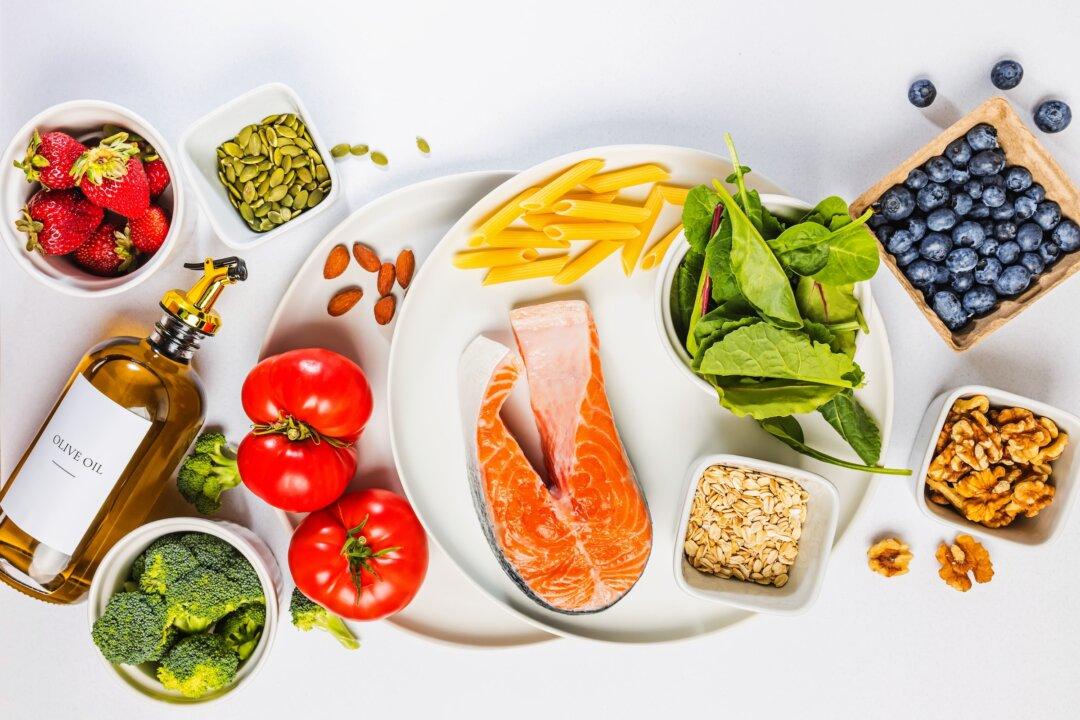
Fat can be removed from the liver with diet (Diabetologia, 2011 Oct; 54(10): 2506-2514) and with exercise (Scandinavian Journal of Medicine & Science in Sports, March 13, 2017;27(5)).• If you have a big belly or your blood sugar is greater than 140 one hour after a meal, I recommend that you lose weight (if overweight) with intermittent fasting; check with your doctor. • Since most liver fat comes from sugar, avoid or severely restrict all sugared drinks and sugar-added foods. • Restrict other refined carbohydrates such as foods made from flour (bakery products, pasta, many breakfast cereals and so forth). • Restrict red meat, processed meat and fried foods. • Eat plenty of vegetables, fruits, seeds and nuts which are rich sources of soluble fiber. • Try to exercise every day.
Caution: Intense exercise can cause heart attacks in people who already have blocked arteries. Check with your doctor before starting an exercise program or increasing the intensity of your existing program.
This article was originally published on www.drmirkin.com. Subscribe to their free weekly Fitness & Health newsletter.