Liberty feels the familiar squeeze rising from her belly to her chest and knows what’s coming: a lockdown, rage, the need to escape. Her ex-husband has sent another threatening message. Within seconds, she’s grabbed her car keys, leaving her new husband bewildered in the kitchen. She’s protecting him from her anger, but really, she’s wrestling with a body that won’t let go of the past.
What Is Autonomic Dysregulation?
In a normal fight-or-flight response, your body mobilizes quickly—rapid heart rate, blurred or tunnel vision, excessive sweating, rapid breathing, lightheadedness, anxiety, or chest pain. Although uncomfortable at times, these symptoms signify a healthy nervous system that’s responding to danger.The sympathetic division of the autonomic nervous system prepares your body for action, involuntarily increasing circulation in some areas and lowering it in others in a sophisticated response aimed at keeping you safe. Meanwhile, the parasympathetic nervous system restores calm once the threat has passed, slowing your breathing and heart rate back to normal.
The problem occurs when the body continues to perceive the threat even after it’s passed. When sympathetic symptoms are not short lived, they become problematic—as is the case in diseases such as Parkinson’s disease and postural tachycardia syndrome, a disorder that sends the heart rate and blood pressure sky high, as well as a growing list of other physical conditions associated with the nervous system.
9 Warning Signs Your Nervous System May Be Dysregulated
The autonomic nervous system isn’t isolated from the rest of your body. Rather, it’s intricately involved with most other systems, meaning that dysregulation can show up in ways that don’t necessarily raise red flags about nervous system involvement.Poor Sleep
If you’ve ruled out common factors of poor sleep such as using screens before bed, lack of exercise, and insufficient time in nature, your nervous system may be keeping you wired at night, nervous system expert Irene Lyon, who is certified in psychologist Peter Levine’s somatic experiencing method, told The Epoch Times.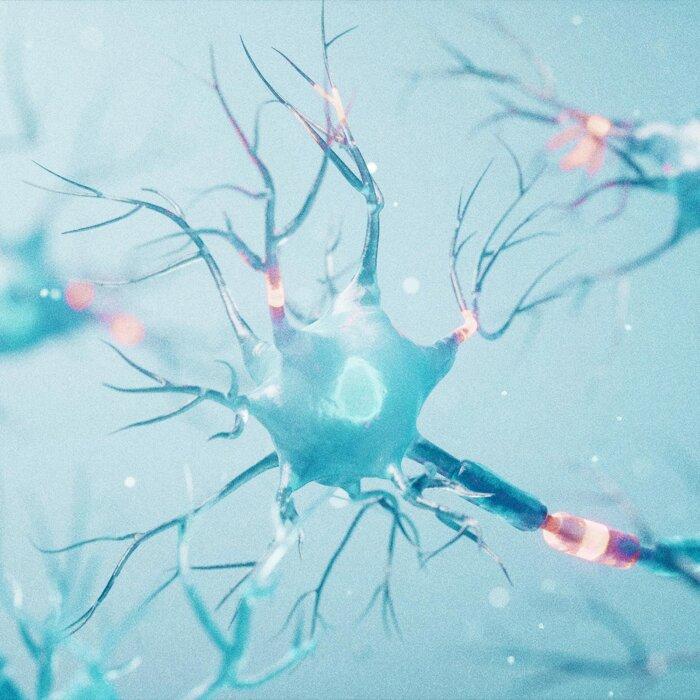

“What happens is when you have even unconscious stuff stored, there is a sense of danger,“ she said. ”You can’t fully go to sleep because you might get attacked or someone might break into your house.”
Chronic Pain
A number of common chronic pain conditions, including fibromyalgia, low back pain, migraines, tension headaches, irritable bowel syndrome, and temporomandibular joint disorder, are becoming recognized as nociplastic pain. This type of pain involves mixed signals in the nervous system, with no tissue or nerve damage.If your pain management techniques for alleviating, masking, or suppressing perpetually achy muscles or joints aren’t working, it could be because your nervous system is activated for survival, according to Lyon.
Irregular Bowel Movements
“We’re meant to have healthy bowel movements,” Lyon said. “People who struggle with either severe constipation or diarrhea that’s chronic, or flipping between the both—that’s a classic sign of nervous system dysregulation.”Avoiding or Poorly Expressing Anger
Anger is a healthy emotion. However, certain ways of dealing with anger such as avoidance, having difficulty reliving it, and replaying it—triggering scenarios in your mind—indicate a maladaptive response, according to the results of a 2024 systematic review published in General Hospital Psychiatry.The review found higher levels of maladaptive anger in patients with functional neurological disorder, which involves autonomic dysregulation.
Obsessive-Compulsive Tendencies
If you are hypervigilant—anxious, constantly scanning the environment, irritable, checking and double-checking things—your body may feel that a threat is still lingering, Lyon said.Poor Circulation
Fingers and toes that are cold and turn white and then blue—a condition called Raynaud’s phenomenon—can be driven by cold temperatures but also by stress.Chronic Bladder Pain
Inflammation of the bladder, called cystitis, is typically caused by a bacterial infection and easily resolved with antibiotics. However, sometimes pain continues for more than six weeks with an unknown cause—called interstitial cystitis or bladder pain syndrome.Restless Legs
Restless leg syndrome—an uncomfortable urge to move the legs that often disrupts sleep—is also associated with the nervous system.Severe Perimenopause Issues
Although menopause is a normal phase of health, symptoms can worsen if the nervous system is out of balance.Research is only beginning to recognize and explore the role of the nervous system in human diseases, according to Lyon.
Why Recognition Matters
Learning how to recognize bodily sensations is necessary, according to Lyon, in order to identify when you may need help with nervous system regulation.“You have to have an internal compass to feel your body starting to shut down or get pressured, because it happens in seconds,” she said.
However, autonomic dysregulation can be difficult to diagnose, according to the Cleveland Clinic, which noted that health care providers are part of the problem. You may need to pursue multiple providers, keep detailed records of symptoms, and advocate for help.
Liberty’s rapid awareness of autonomic dysregulation in her new marriage was no accident. She has complex post-traumatic stress disorder and has done extensive work as both a patient and a coach on how to recognize and heal from trauma.
Although Liberty is unable to escape trauma-inducing situations with her ex-husband because of shared custody of their children, she has developed tools to work through anger so it won’t poison her or her new marriage. Sometimes her new husband even joins her in mind-body exercises—such as jumping, dancing, or a brisk walk in the woods that might involve a primal scream—to work through the emotional storms of their shared life side by side.
“I have this mix of deep sadness and then rage at the injustice of abuse and neglect in situations that I found myself in time and time again,” Liberty said. “But there was also longing and desire and wanting to be unstuck and wanting to move forward in a different narrative in a different story that I knew at that point was possible.”