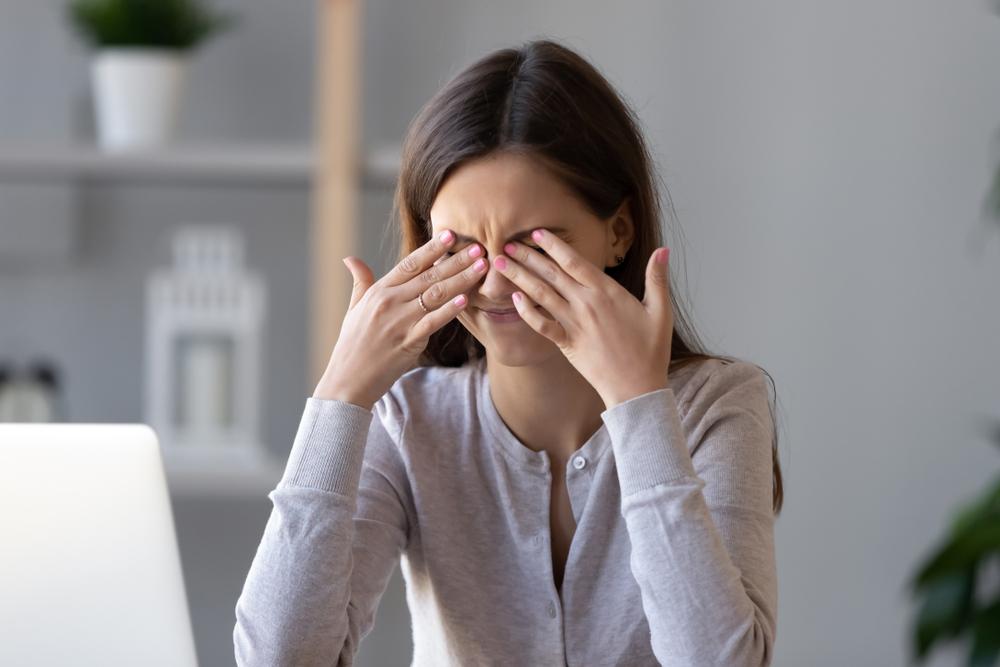
“The face is the mirror of the mind, and eyes without speaking confess the secrets of the heart,” wrote St. Jerome, the great scholar and theologian. As Jerome knew, being one of the first writers in history to accurately document a case of vitamin A deficiency and its cure, the eyes and vision reveal a great deal about a person’s health.
We will look at the ways that your eyes can warn you about potential health issues and how to take the message they’re sending to heart.
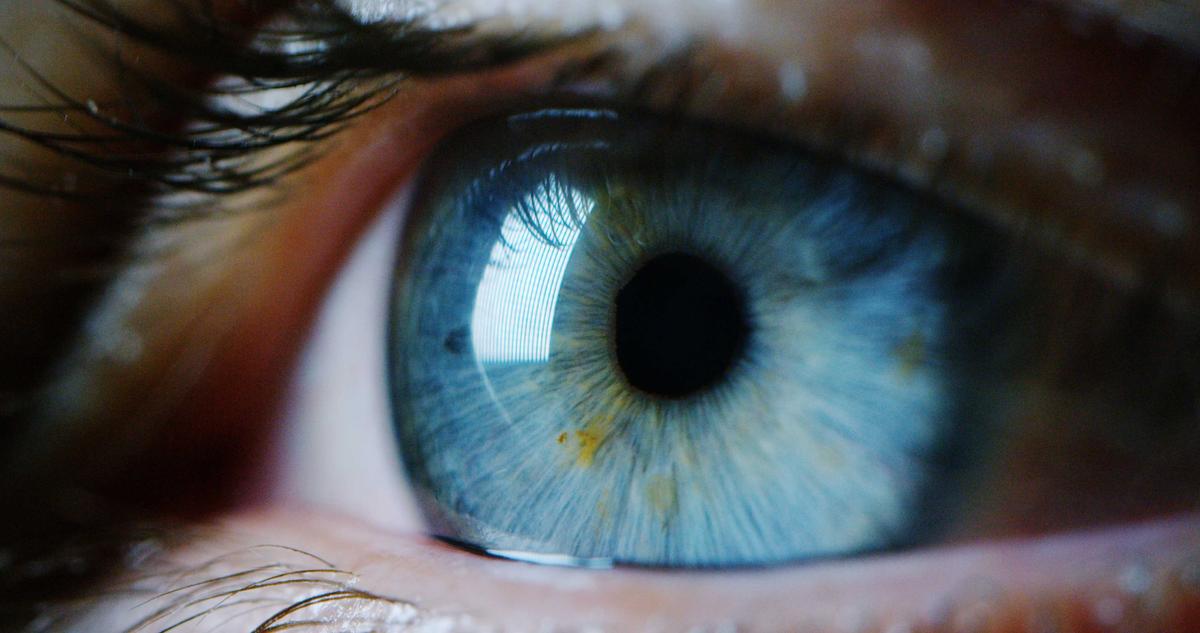
To begin with, there are lots of things you can do to keep your eyes healthy. Eating a balanced diet that provides lots of nutrients, like vitamins C and E, as well as omega-3 fatty acids, zinc, and lutein, is the first step. Beyond nourishing your body, protecting your eyes from cigarette smoke, UV rays, and computer screens can all help you keep them healthy.
1. Long-lasting styes
A stye (or sty) is a painful red bump on the edge of the eyelid. While it might look like a pimple, styes are actually an inflammation caused by staphylococcus bacteria. While these bacteria normally live harmlessly on the surface of the skin, they can cause problems, especially when they block your pores. The discomfort caused by styes will definitely get your attention, but if nothing is fundamentally wrong, they will naturally disappear within a few days.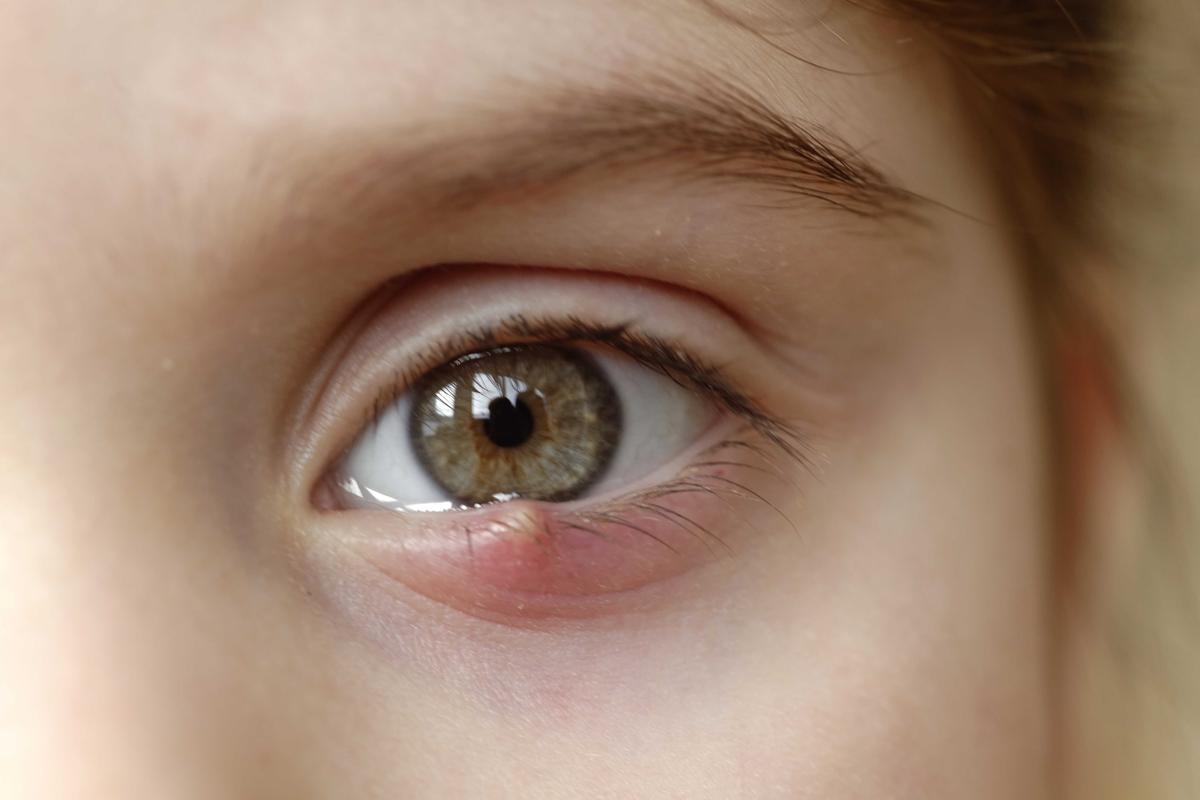
However, if the stye persists, this could be the sign of a much bigger problem. An infection in the sebaceous glands that form your pores can become cancerous if untreated. So if the stye doesn’t go away, see your doctor immediately.
2. Eyebrow loss
Our eyebrows, like the hair on our head, are reflections of general health. Problems that can lead to overall hair loss include nutritional deficiencies in crucial vitamin A and minerals like zinc, stress, aging, and conditions like alopecia areata, which leave bald spots without total hair loss.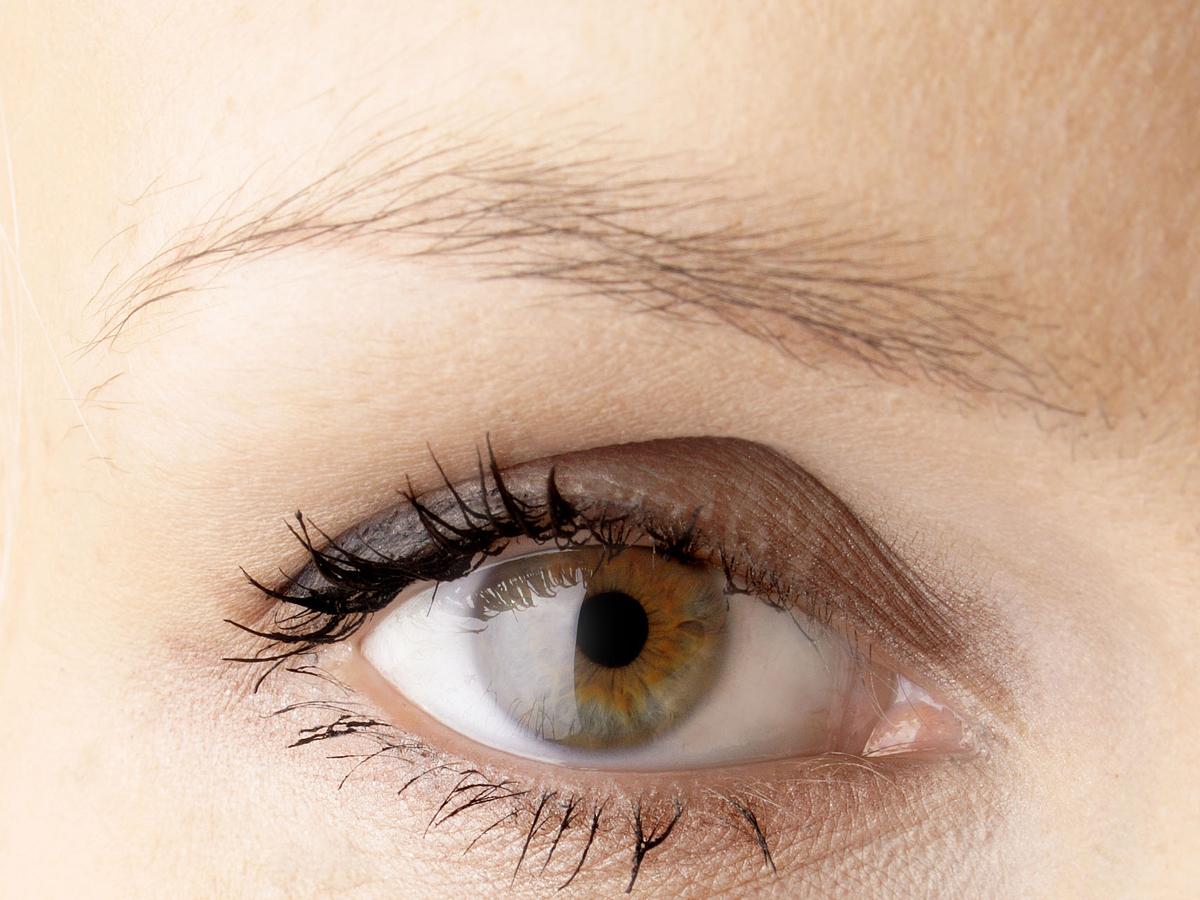
Of course, excessive thinning and plucking of eyebrows can also be a big problem as this interrupts the natural cycle of growth and fall.
3. Blurry vision
With Americans spending ever-increasing stretches of time in front of screens, eyes have a harder time adjusting to this new activity. Staring at backlit screens for most of the day can strain your eyes and cause headaches, as well as cause problems with your posture.
4. Blind spots
If you have ever had the experience of seeing blind spots or areas of blurred vision, then you might have something more serious to worry about. The American Migraine Foundation explains that ocular migraines can cause a “variety of visual disturbances including visual loss, blind spots, zig-zag lines, or seeing stars.”
5. Bulging eyes
The feeling or experience of bulging eyes is disturbing and should be taken seriously. When this occurs, you may have the sensation of your eyes being swollen and being larger than normal. You might also have difficulty shutting your eyes.6. Yellow whites
If the whites of your eyes are looking more yellow than white, this could be a sign that you are suffering from adult jaundice. A condition caused by large amounts of bilirubin, a yellowish-orange-colored pigment in your bile, jaundice can not only make the eyes turn yellow but the skin as well.7. Cloudy vision
While blind spots and visual disturbances like zig-zags are commonly associated with migraines, another form of vision disturbance is likely to be a symptom of diabetes. Because of the high sugar levels that untreated diabetics experience, fluid can move into and out of their eyes very rapidly.